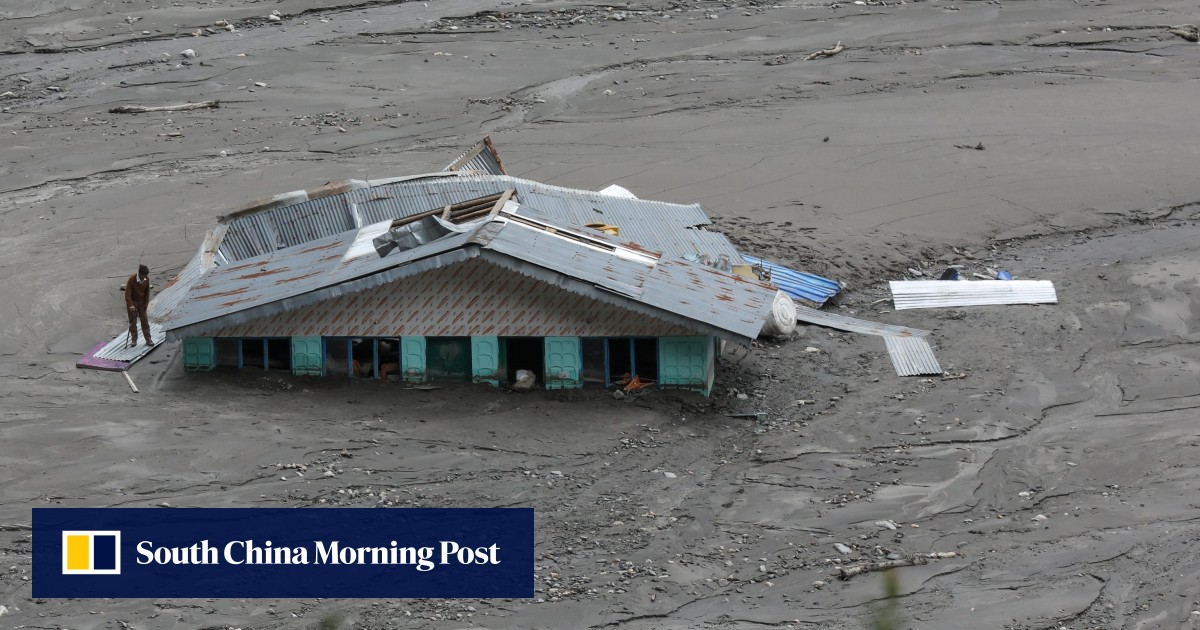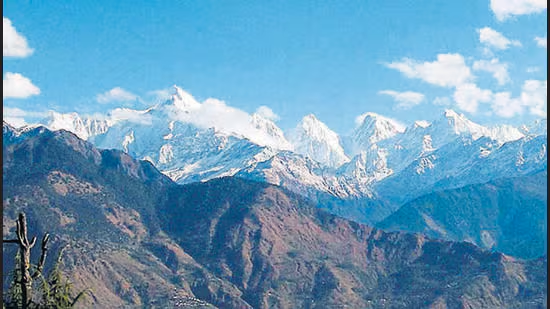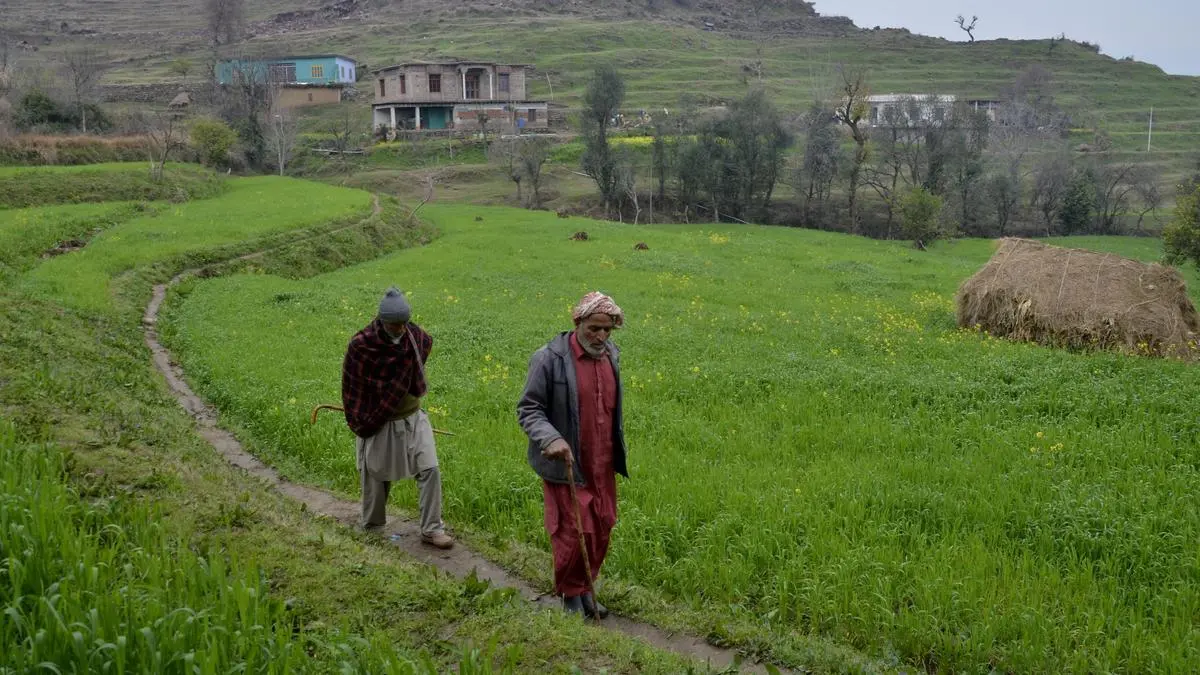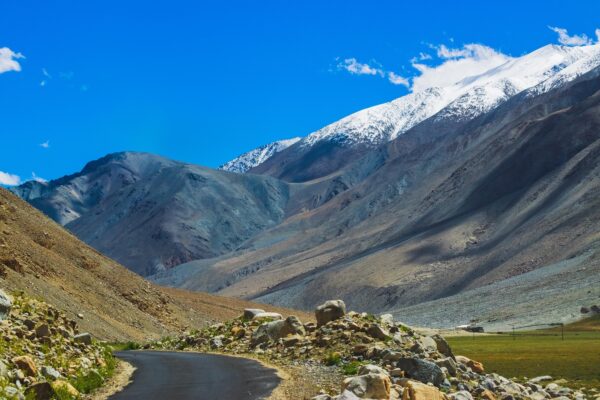
Popular perceptions of Kashmir center on soldiers, checkpoints, and decades-old fights over land. Sometimes tourism edges into the discourse. Far less attention is paid to the fact that Kashmir’s mountains are heating up rapidly.
A new study published in Nature’s Scientific Reports pulled together and analyzed 45 years of weather records from 1980 to 2024 and collected surface temperature records from ten India Meteorological Department stations. It found that the high mountain towns of Pahalgam and Gulmarg, which are also famous tourist sites, have warmed by nearly a full degree Celsius in just the last 20 years. One town, Bhaderwah, is heating up even faster at roughly 0.3 degrees per decade. And the nights are warming fastest of all.
Meanwhile, down in the flat lowland city of Jammu, temperatures have barely moved. Some seasons there have even gotten a little cooler.
Scientists have a name for this pattern: elevation-dependent warming. Simply put, the higher up a mountain you go, the faster it warms. This happens for a simple reason. Snow is white and bounces sunlight back into space. When snow melts away, it uncovers dark rock and dirt underneath, and dark surfaces soak up heat instead of bouncing it away. Less snow means more heat, which means even less snow. It is the same thing scientists have already found happening on the Tibetan Plateau, the giant high plain north of the Himalayas. Kashmir is as much a part of that story – but it rarely gets talked about.