Get the latest news and updates from Dawn
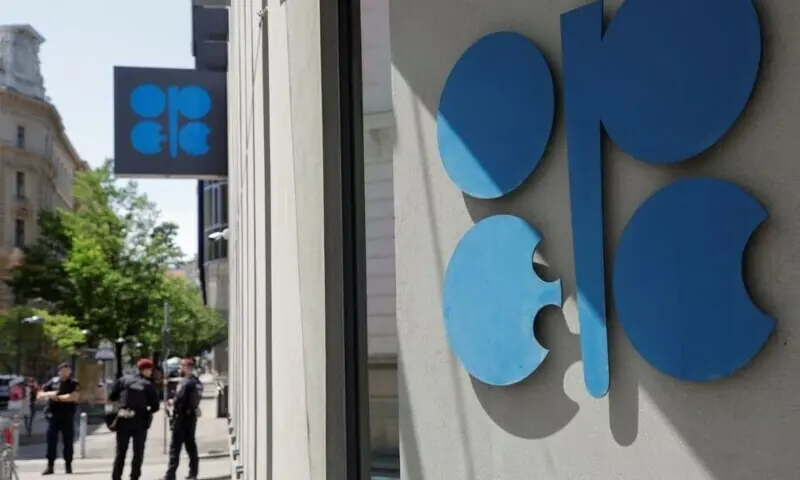
The UAE, the third-largest oil producer in the Organisation of Petroleum Exporting Countries (Opec), left the group last Friday, ending its almost six-decade membership. This was a serious blow to Opec and the expanded Opec+, which also includes Russia. It weakened the group and its capacity to influence global oil market dynamics.
Within Opec, the UAE held the second-largest spare capacity, behind Saudi Arabia. And this spare capacity played a significant role in balancing global energy markets during crises. Although Saudi Arabia will continue to play that role with its considerably larger spare capacity, Opec has lost the additional UAE cushion to leverage the markets.
The UAE decision came at a sensitive juncture. With the US-Israel war against Iran still to be resolved and Tehran and the US continuing to block passage of vessels from the Strait of Hormuz, from which roughly 20 per cent of global crude oil used to pass through every day, the issues of oil demand destruction, lack of security of supplies from the Persian Gulf oil producers and the growing emphasis on renewables and alternative sources of energy were already at work. The world was already looking to lessen its dependence on supplies from the Middle East.