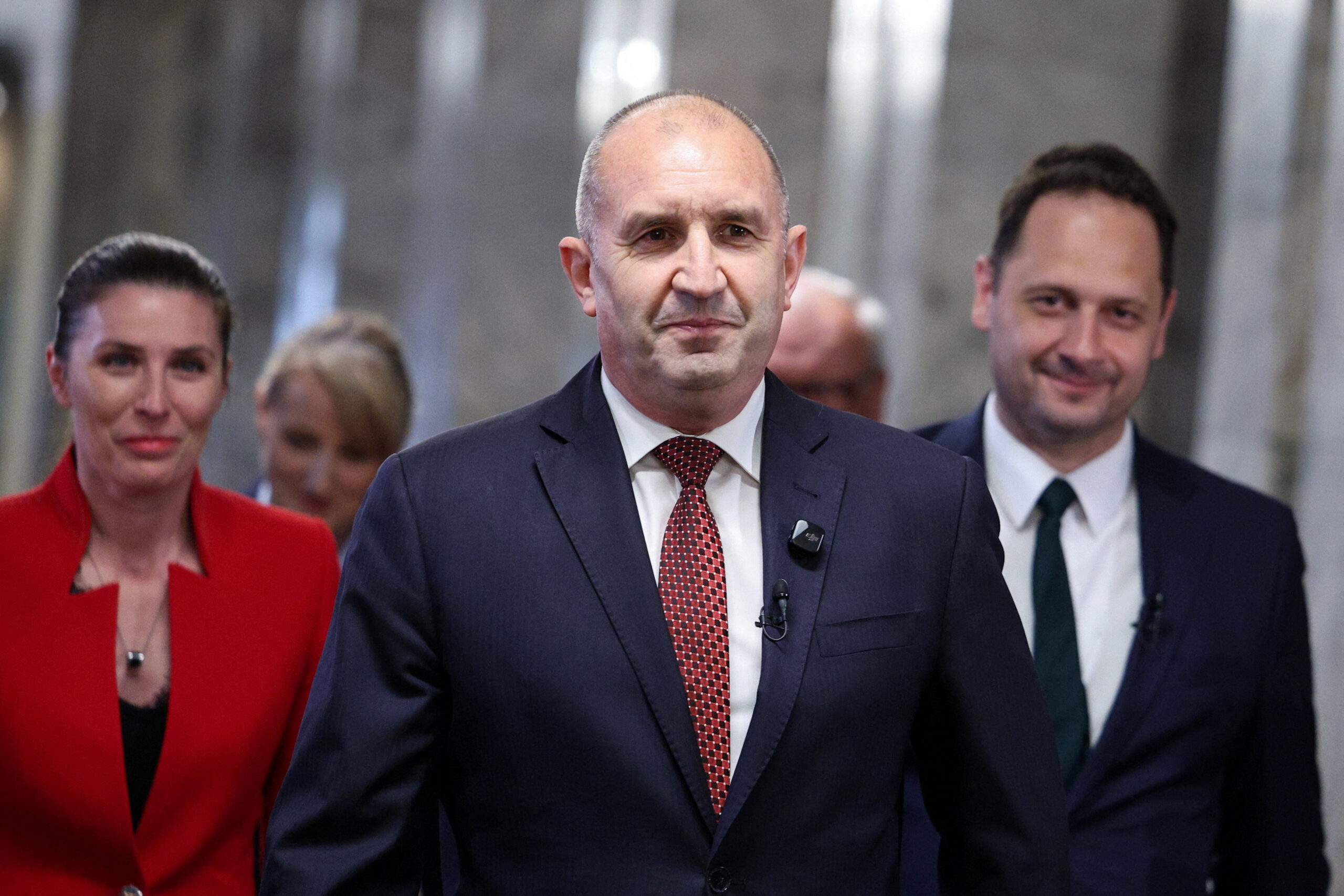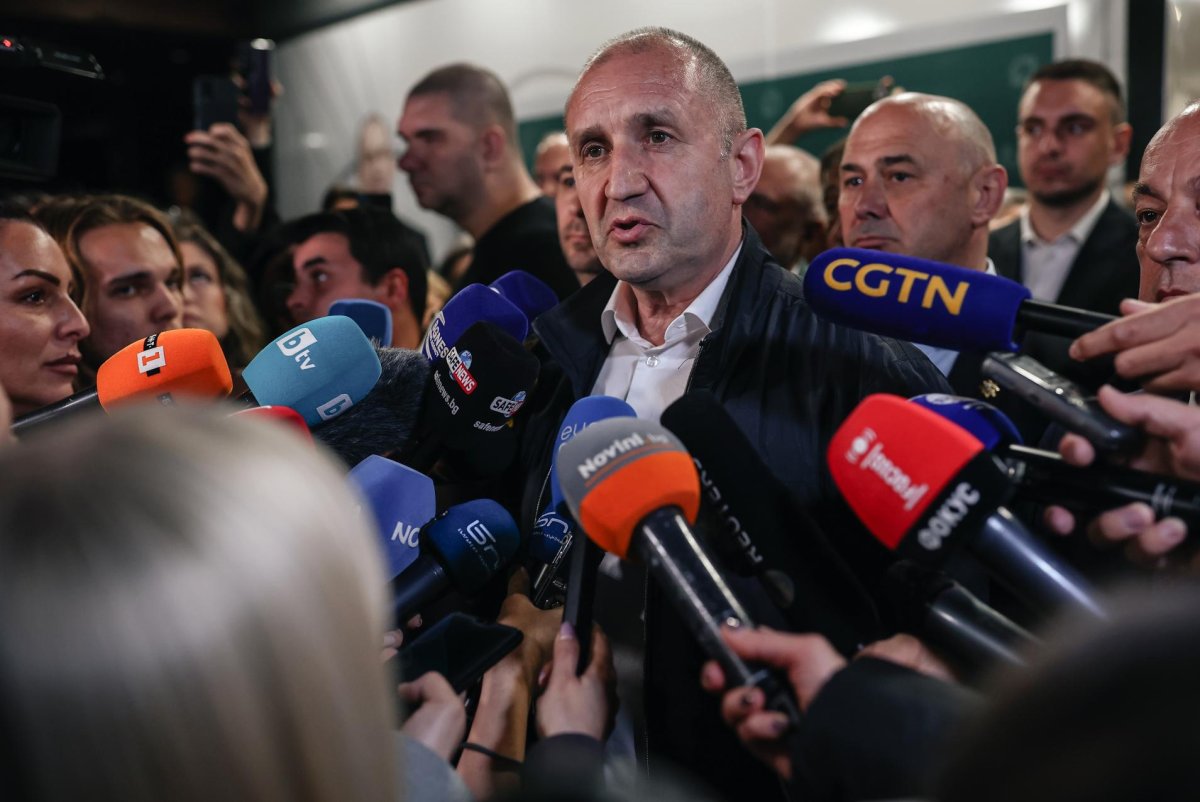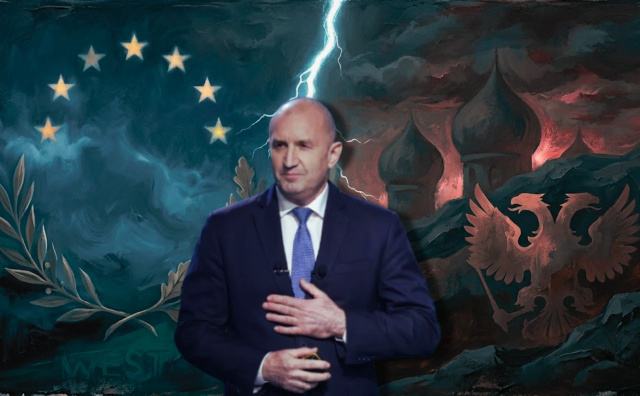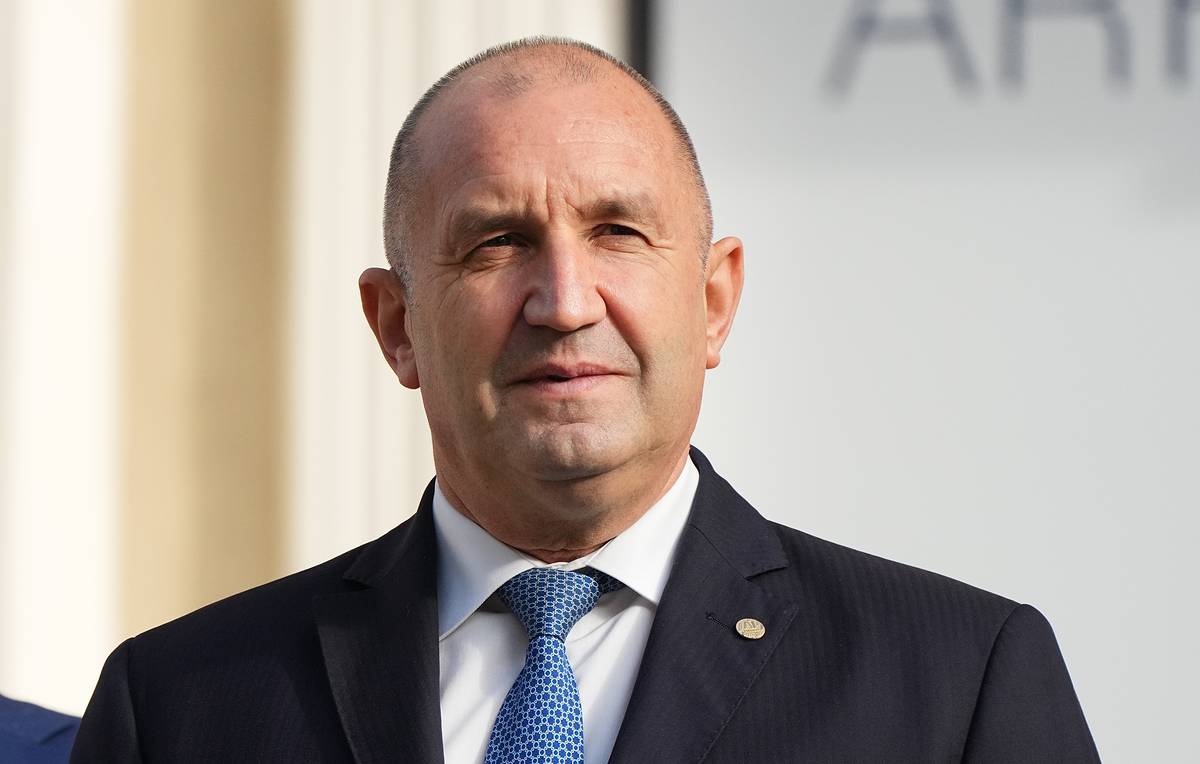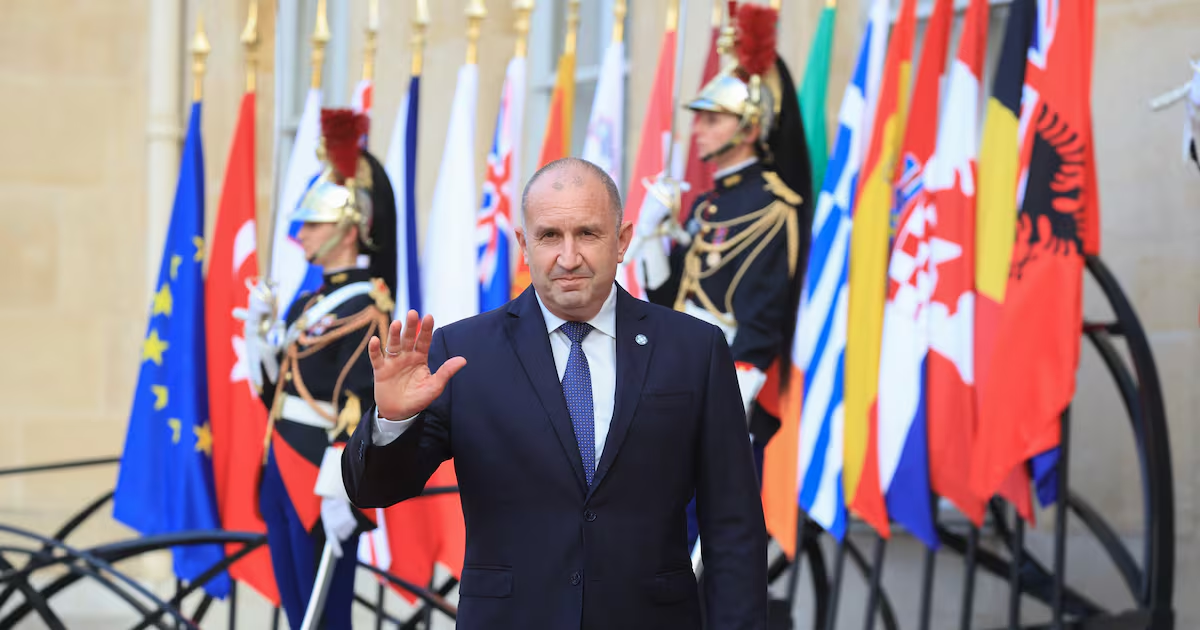
After many years of deep political instability, Bulgaria held a general election on April 19th. It brought to power Rumen Radev, a former air force general and previously president of Bulgaria whose central campaign promise was to “topple the [Bulgarian] oligarchy”. His Progressive Bulgaria party won an overall majority, the first in Bulgaria won by any political party since 1997. The election was held just one week after the Hungarian contest which saw Fidesz lose power for the first time since 2010. There was intense speculation in the wake of the Bulgarian election that the European Union now had “another Viktor Orbán” sitting at the European Council table. Many analysts pushed back against this narrative, with some arguing that Bulgaria has been a very reliable member of both Nato and the EU for many years and would not put its international reputation in jeopardy to help Russia. Three months on from that election, it looks like those who were sceptical of Radev may have had real cause for concern. Radev’s administration has made a number of moves that indicate a striking change in Bulgaria’s position towards Ukraine and one that is increasingly placing it at odds with its EU partner states, and with Ireland as it tries to broker agreements between member states as part of its council presidency work.First, Radev ordered that Bulgaria stop sending donated weapons and military equipment to Ukraine. This was an extraordinary change of direction because Bulgaria had provided Ukraine with significant help in the very early stages of the war after Russia’s attack on Kyiv in February 2022. Indeed, president Volodymyr Zelenskiy said Bulgarian aid was so invaluable that Ukraine might not have survived the initial Russian assault without it. Radev has now gone further and said while the country still supports Ukraine, financial aid will be stopped, citing Bulgaria’s difficult budgetary landscape. Most recently, he threatened to veto the EU’s 21st sanctions package against Russia, citing multiple objections. He demanded that the EU remove from the sanctions list the name of Vagit Alekperov, a billionaire oligarch sanctioned by the UK, US and Australia and founder of Lukoil, a Russian energy company which has extensive holdings in Bulgaria. They also included the head of the Russian Orthodox Church, Patriarch Kirill, a supporter of Russia’s war, who has been surrounded by speculation over his personal wealth. Kirill argued that Russia’s invasion constituted a “holy war”. The EU’s earlier efforts to sanction him were blocked by Viktor Orbán. The third individual Radev reportedly protected from EU sanctions is another Russian oligarch, Iskander Makhmudov, an Uzbek-born potentate and the main shareholder in one of Russia’s largest metallurgical holding companies. One of his companies also runs the trains that link Moscow and its three adjacent metropolitan airports. Crucially, his company also supplies trains to the Sofia metro system. Radev cited the need for the “safe functioning of the Sofia metro” as the main reason for intervening with the EU on Makhmudov’s behalf.The common denominator linking all of Radev’s recent moves is that these actions hinder Ukraine and help Russia. For many observers of Bulgaria, Radev looks set to become the Kremlin’s ready-made replacement trojan horse within the European Union.The former president of Estonia Toomas Hendrik Ilves summed this up by arguing that “Bulgaria would like to be closer to Russia” and said it ranked “84th in the world for corruption along with Hungary", making them “the two most corrupt countries in the EU”.Radev’s efforts to shield Russia should not come as a great surprise. His party, Progressive Bulgaria, is nominally left of centre but it has its genesis in the old Bulgarian Socialist Party (BSP) which was socially conservative and remained pro-Russian long after the collapse of the Soviet Union in 1991.Bulgaria’s historical relationship with Russia may also be playing a part in these developments. The Bulgarian-Russian friendship devolves from Russian efforts to liberate Bulgaria from Ottoman occupation, which lasted for almost five centuries, and ended only with Russian military help in 1877-78, which secured Bulgarian independence. It also relies on notions of “fraternal brotherhood” dating back to the Soviet era.More worryingly for the EU, Russia’s presence in Bulgaria has grown significantly in the 21st century, from penetration of its business world to undue influence over Bulgaria’s media and information landscape. It is no coincidence that Bulgaria is regarded as vulnerable to high levels of misinformation and disinformation.Whatever the calculus of Radev, Bulgaria stands to lose an enormous amount if it persists in this course of action. For most of the last 20 years, the EU has looked away when allegations of corruption in Bulgaria were raised by civil society actors. Bulgaria’s former prime minister, Boyko Borisov, served three terms in office despite persistent allegations of corruption, which he denied. Within the EU, his policy was to avoid rattling cages at all costs. He consciously courted Angela Merkel. His flattery worked. According to leaked diplomatic cables, the US alleged he had ties to the Bulgarian mafia, but Merkel seemed to have no such concerns. It is very likely now that EU actors will pay close attention to the extraordinary level of corruption and abuse of the rule of law which persists in Bulgaria almost 20 years after it became a member of the European Union. In 2025, Bulgaria received almost €4 billion in different variants of EU funding. That subvention may now come under significant scrutiny.Radev may or may not be another Viktor Orbán - it is simply too early in his premiership to know. But the actions of his government in the first three months of its tenure suggest he is adopting a confrontational position within the EU, as Orbán did with Hungary.John O’Brennan is professor of European Politics at Maynooth University and director of the Maynooth Centre for European and Eurasian Studies. He has lived and worked in Bulgaria
John O'Brennan: Orbán is gone, but the EU has a new headache in Bulgaria
The country’s new administration has made a number of moves that indicate a striking change in its position towards Ukraine, placing it at odds with EU partner states and Ireland
973 words~4 min read