How did suspicious transactions involving 909 accounts across numerous financial institutions continue for so long without triggering stronger compliance mechanisms? Why were unusual transaction patterns apparently not detected much earlier? Could more robust anti-money laundering controls, transaction monitoring systems, and Know-Your-Customer (KYC) procedures have disrupted the scheme before it reached this magnitude?
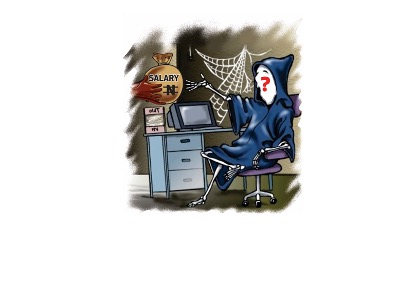
“Ghosts are supposed to haunt abandoned buildings, not government payrolls. They do not possess bank accounts, collect monthly salaries, pay taxes or operate ATMs. Yet, in Nigeria, our ghosts have become some of the country’s highest-paid ‘public servants.'”
Nothing better illustrates the tragedy of Nigeria’s public finance than the persistent menace of ghost workers. It is perhaps one of the most absurd forms of corruption ever conceived — a crime in which people who neither exist nor render any service continue to receive salaries month after month and year after year, while hospitals lack essential equipment, schools struggle for funding, and genuine civil servants wait endlessly for promotions and improved welfare.
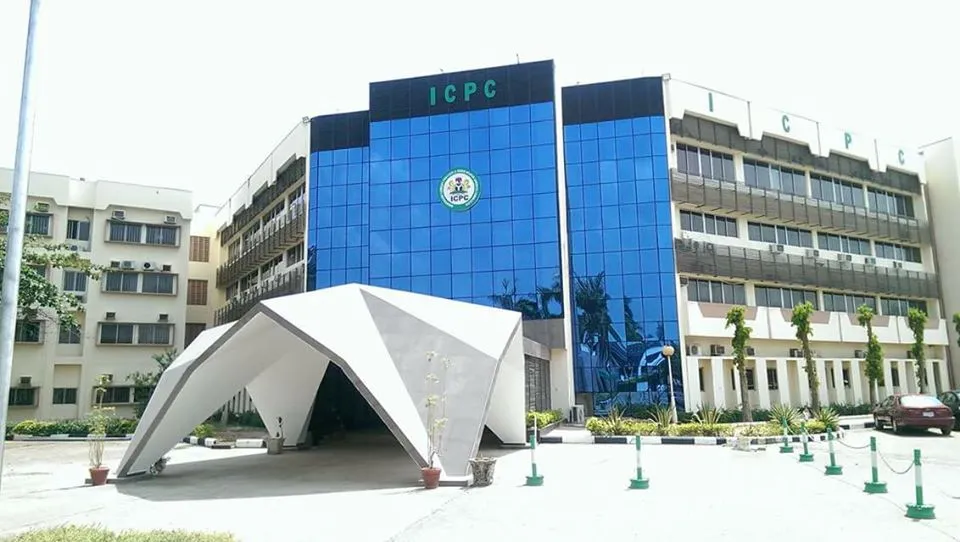
The recent final forfeiture of ₦941.9 million recovered by the Independent Corrupt Practices and Other Related Offences Commission (ICPC) from an Integrated Personnel and Payroll Information System (IPPIS) fraud is therefore far more than another anti-corruption success story. It is a sobering reminder that Nigeria’s greatest fiscal enemies are not invisible ghosts, but real people exploiting institutional weaknesses for personal gain.