Audio By Vocalize
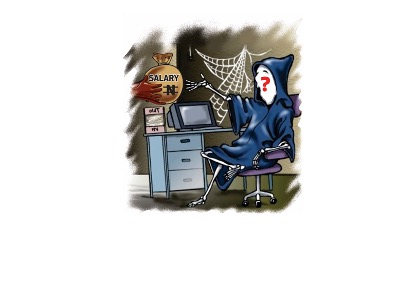
The latest revelations of ghost workers embedded in government payrolls must trigger immediate reforms and invite thorough investigations. They are also a painful reminder that while Kenyans struggle with high taxes, rising food prices and shrinking incomes, a cartel is plundering public resources with astonishing impunity.
The figures are staggering. Billions of shillings that should pay doctors, teachers, police officers, build roads, equip hospitals and educate children are disappearing into fraudulent salaries paid to people who do not exist or are illegally retained on government payrolls. This is economic sabotage against every taxpayer.
For decades, successive governments have promised to clean up public payrolls. Every few years, an audit uncovers thousands of ghost workers. Committees are formed. Reports are written. Arrests are announced. Headlines dominate the news cycle. Then silence follows until the next audit exposes an even bigger scandal. The ghosts never seem to disappear—they simply change addresses.
President Ruto has once again ordered investigations and sweeping reforms. While the directive is welcome, Kenyans have every reason to be sceptical. They have heard similar promises from previous administrations. Without visible prosecutions, asset recovery and institutional reforms, these directives risk becoming yet another chapter in Kenya’s long history of anti-corruption rhetoric. More disturbing is the suggestion that payroll fraud begins long before salaries are processed.