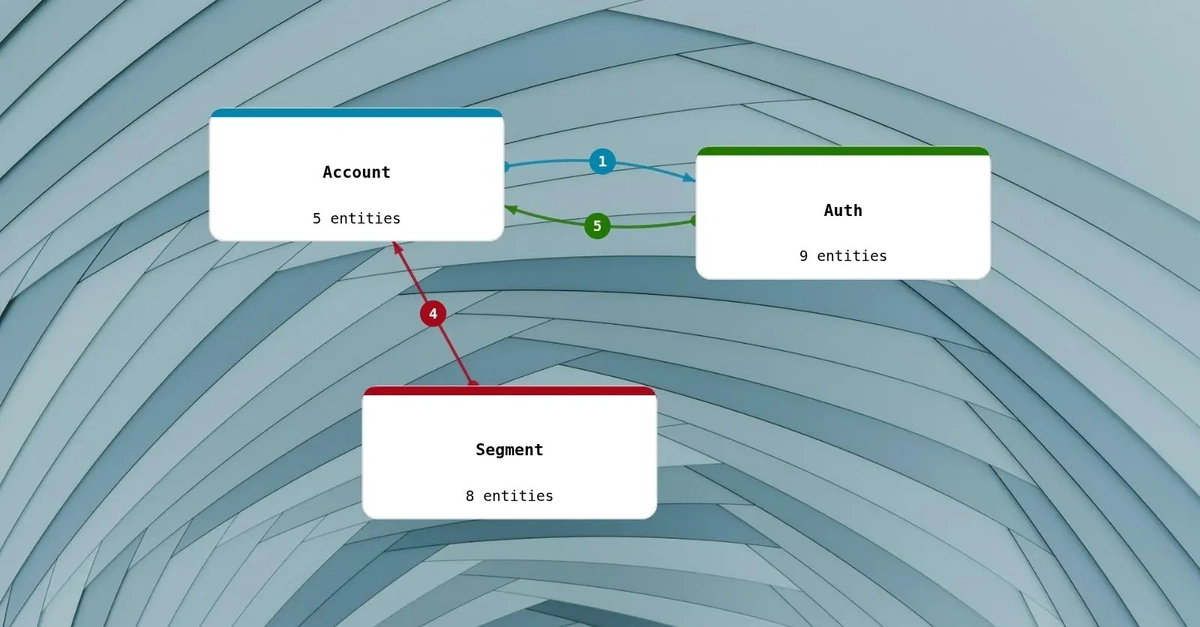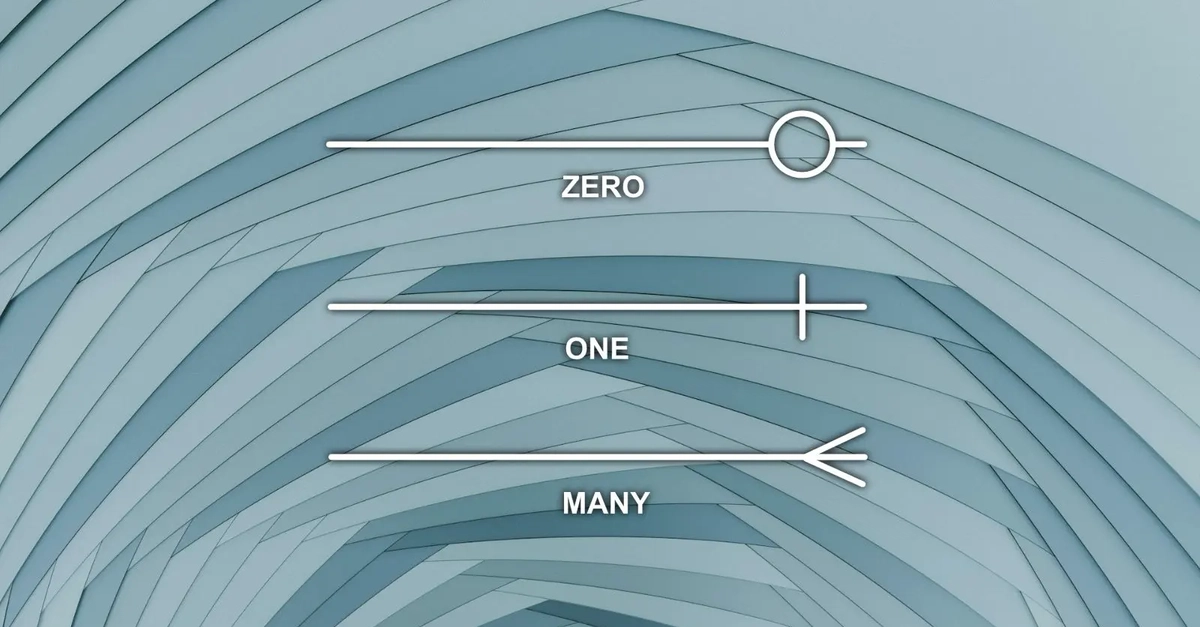
Disclosure: I build Schemity, a desktop ERD tool - this post is from our blog and uses it for the examples.
TL;DR: A 1:1 relationship in SQL is nothing but a foreign key with a unique constraint, so any tool that reads the key and ignores the constraint draws it as 1:N - a bug reported against MySQL Workbench in 2009 and against dbdiagram in 2025. Schemity derives cardinality from the constraint itself: toggle the foreign key's uniqueness and the relationship toggles between 1:1 and 1:N, and composite unique sets get named, colored U badges instead of one ambiguous marker.
A one-to-one relationship in SQL is not a special kind of line. It is a foreign key with a unique constraint - and any tool that reads the foreign key but ignores the constraint will draw your 1:1 as 1:N.
This is not a hypothetical failure. In March 2009, a user filed bug #43920 against MySQL Workbench 5.0.30: reverse engineering a script turned every 1:1 relationship into 1:N, which they called "a big problem if you use JPA and you generate the entities with some tool." The bug was closed as Not a Bug, with a developer explaining that Workbench's 1:1 relationship button "is just for the graphic not for the SQL" - the button changes the picture without emitting the unique constraint that would make the picture true. Users kept disputing that resolution in the comments from 2010 all the way to 2024.