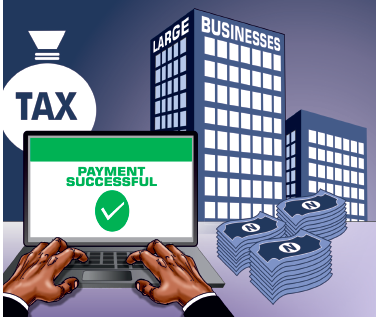
Businesses will need to upgrade their tax and accounting processes as Nigeria moves towards a digital tax administration system driven by electronic invoicing, the Nigeria Revenue Service has said.
The e-invoicing framework, which is being introduced through a phased rollout, is designed to improve transaction visibility, reduce revenue leakages and strengthen compliance by enabling tax authorities to access more accurate records of business activities.
Speaking at an e-invoicing compliance breakfast meeting for chief executives, chief financial officers, heads of tax and finance leaders in Lagos on Tuesday, the Project Manager of the National E-Invoicing Project at the Nigeria Revenue Service, Mohammed Bawa, said businesses must adapt to a changing commercial environment where more transactions are conducted electronically.
“Business environments are becoming very dynamic, which is making it difficult for tax administration bodies to determine what is taxable,” Bawa said. “There is a need to have visibility over all transactions that are being carried out across every sector of the economy.”
He said e-invoicing would help bridge the information gap between businesses and tax authorities by creating digital records of transactions, reducing opportunities for under-reporting of turnover, tax fraud and inaccurate tax declarations.