For decades, Nigeria’s tax authority relied on companies to report their sales months after transactions had taken place. Now it wants to monitor business activity in real time.
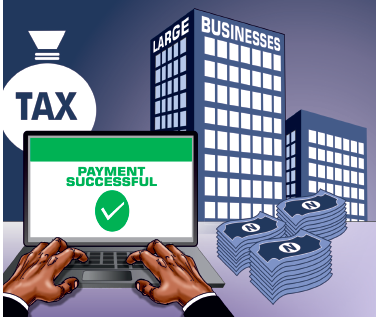
Through a nationwide e-invoicing system, every qualifying invoice—a commercial invoice that meets all statutory requirements set by a tax authority—will be transmitted digitally to the Nigeria Revenue Service (NRS) as it is issued, marking one of the country’s biggest attempts to modernise tax collection and build a digital economy.
The government is building a national platform that could eventually connect every business, enterprise resource planning (ERP) system and accounting software to a single tax network
It is also a race against time. Large taxpayers are already under compliance monitoring, while medium-sized businesses begin mandatory onboarding in July 2026, with emerging businesses following in 2027 as part of a three-year phased rollout, according to an NRS calendar shared with TechCabal.
Mohammed Bawa, who leads the e-invoicing programme at the NRS, says the objective extends far beyond collecting more taxes.