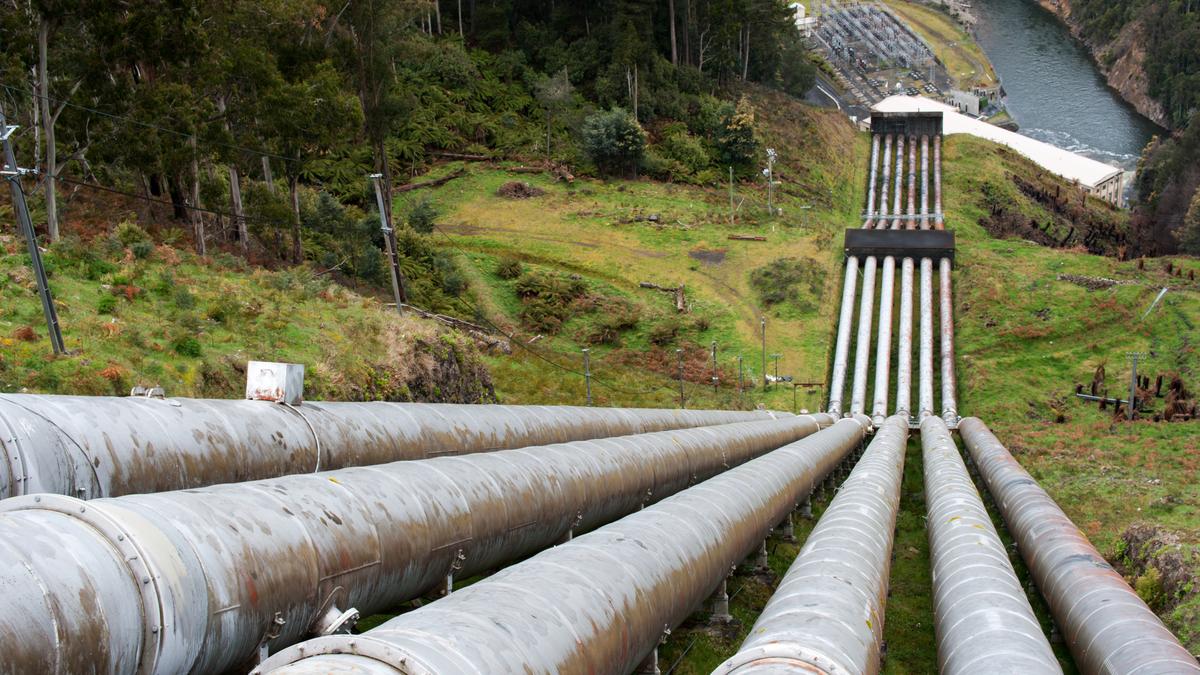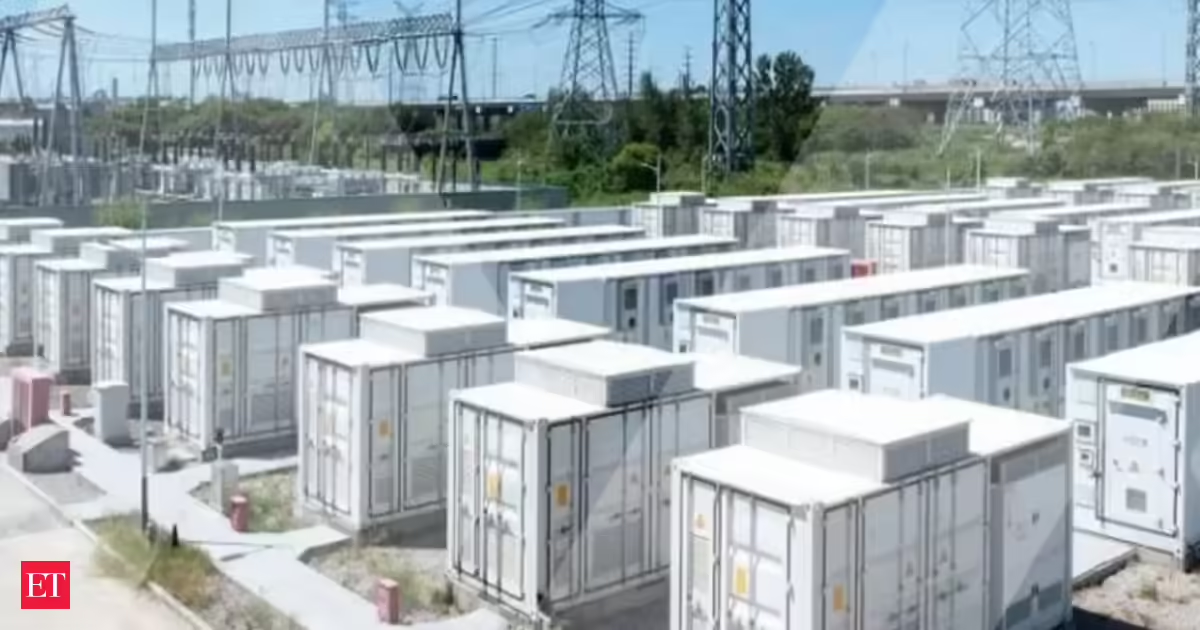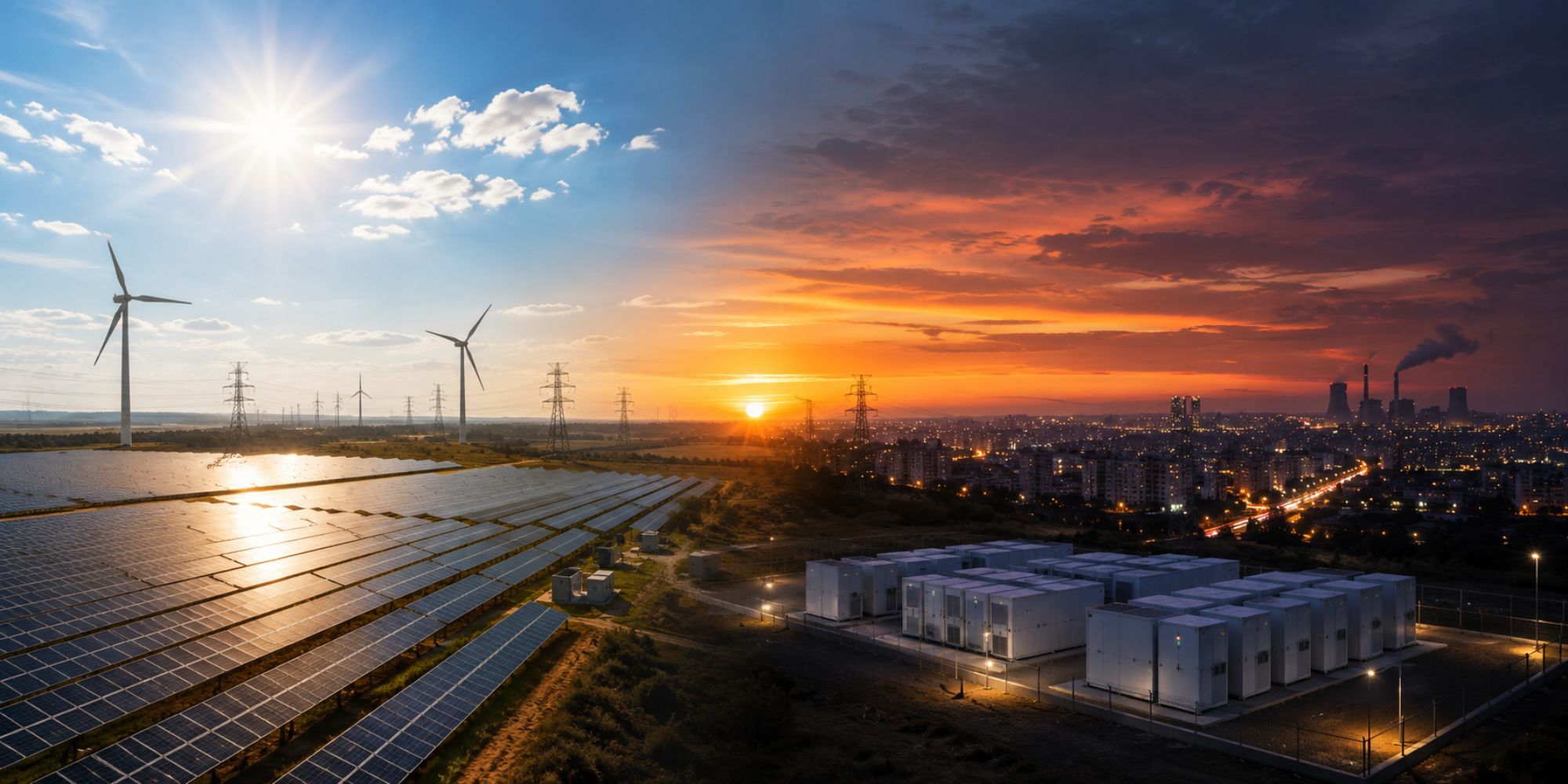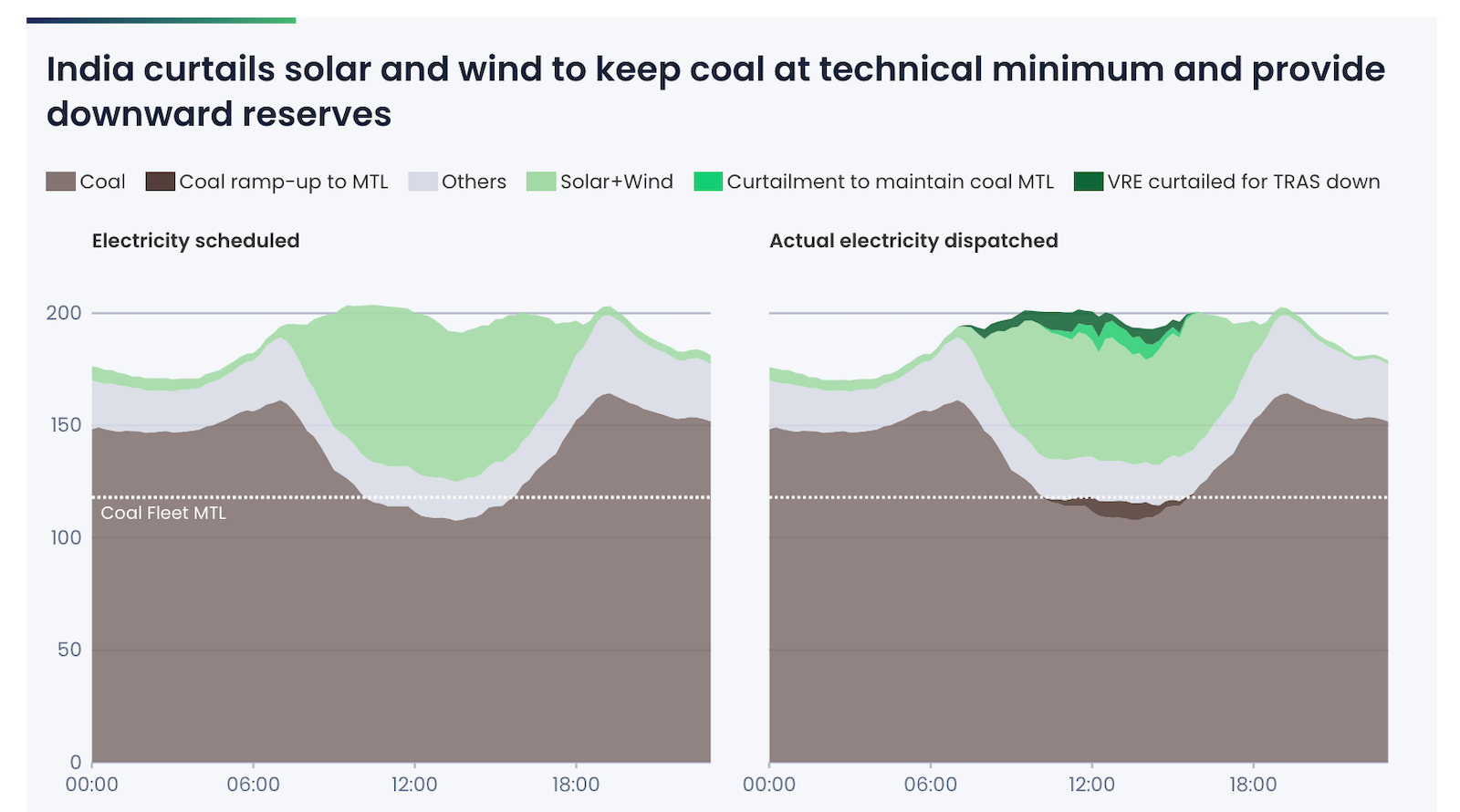
Remember the “9 PM, 9 Minutes” event on April 5, 2020? It was the ultimate real-time test of India’s grid infrastructure, when millions of citizens turned off their home lights simultaneously. What it did was that it created an artificial shockwave that showed exactly why India needs fast, automated energy storage systems.Before the pandemic, India’s energy vulnerability was mostly viewed through the lens of fuel shortages or physical equipment failures. The pandemic changed this by introducing three immediate operational shocks that proved the grid’s inability to function smoothly without flexible, fast storage solutions.Then came geopolitical conflicts. When geopolitical conflicts disrupt the flow of oil and LNG, the economic and operational impacts on countries including India are immediate and systemic. This chokehold directly triggers a cascading crisis across India’s domestic energy infrastructure, exposing its lack of structural shock absorbers.India relies on imported West Asian LNG to fuel 24,000 MW of gas-fired power infrastructure. A supply halt deactivates these vital peaking plants, which grid operators depend on to manage sharp evening demand spikes. Deprived of gas, utilities must either over-stress ageing coal fleets or enforce rolling blackouts.The deficit in gas infrastructure shifts the entire burden of real-time frequency stabilisation onto India’s overstretched hydroelectric fleet. This operational strain mirrors the vulnerabilities exposed during the pandemic, leaving grid operators with virtually zero technical cushion to absorb unexpected supply-demand imbalances.Infrastructure deficitThis deep infrastructural deficit forces national load dispatch centres to make critical operational compromises. They must either aggressively throttle back variable solar and wind generation — wasting clean energy through forced curtailment — or allow the grid’s operational frequency to fluctuate dangerously, risking localised blackouts and equipment damage from unmanageable frequency swings.While the government consistently pledges to expand oil, gas, and green energy storage capacities, critics argue that these initiatives are perpetually reactive to external shocks. Instead of proactively building long-term, structural insulation against geopolitical and operational crises, policymakers routinely wait for a market disruption to trigger emergency infrastructure expansions.A working paper, released in July, by the Economic Advisory Council to the Prime Minister (EAC-PM), ‘The Duck and The Camel: Tracing the Net Load on the Indian Power Grid’, authored by Sanjeev Sanyal and Satvil Dev, argues that managing demand and price volatility requires storing electricity during times of abundance for release during shortages. The paper demonstrates that India’s primary energy challenge has shifted from overall generation capacity to optimising the timing and flexibility of power generation.It argues that three market signals confirm the diagnosis:(a) the intra-day price spread between the solar hours and the non-solar hours has widened to a peak-to-trough ratio approaching nine, held back only by the market’s price ceiling;(b) the grid’s failures to meet demand rise overwhelmingly in the non-solar hours, relative to solar hours;(c) solar energy is curtailed in volume because it cannot be used at the moment it is produced. The curtailment figures are striking: the average per day solar curtailment for May 2026 was equivalent to throwing away electricity that could have powered more than a quarter of Delhi for an entire day.Storing energyThe paper points out that growth in solar, without concomitant and adequate growth in storage and without implementation of other net load smoothening policies, will add to grid stress. This is an argument which has been making rounds for sometime now, and it is significant that it is now being made by the Economic Advisory Council too.“The most direct remedy is to store energy when it is abundant and release it when it is scarce, complemented on the demand side by time-of-day tariffs and demand response that move load toward the solar hours,” the paper says.“The gap between need and provision of storage is the greatest, and it is overwhelmingly a battery gap. Grid-scale battery deployment remains well short of the national target, even as pumped hydro has very nearly reached its mark. The recent build-out in storage is significant, but a lot more is still required,” it points out.To drive the energy transition, Indian policymakers have launched a coordinated mix of policy, regulatory, demand-side, and supply-side measures to advance energy storage technologies such as BESS. Key ministries including Power, New & Renewable Energy, and Petroleum & Natural Gas are actively collaborating to expand national storage facilities.Despite these policy steps, India faces major practical challenges that prevent the rapid deployment of energy storage systems.The primary obstacle is economic: large-scale battery storage requires massive upfront capital, yet financially distressed Discoms struggle to guarantee timely payments leading to making storage projects independently viable.Geopolitically, India remains critically dependent on importing fossil fuel as well as foreign battery cells due to a lack of domestic reserves of lithium, cobalt, and nickel. Furthermore, alternative long-duration options such as Pumped Hydro Storage (PHS) suffer from protracted land acquisition and environmental clearance delays.And finally, the country’s harsh, hot climate introduces severe thermal safety risks for lithium batteries, while the regulatory framework still lacks clear, diverse revenue streams to compensate operators for essential grid stabilisation services.To achieve energy security, India must transition from a reactive crisis-management model to a proactive, structurally insulated strategy. Relying on just-in-time imports of fossil fuels leaves the nation vulnerable to geopolitical shocks, while expanding renewables without storage risks grid failure.Published on July 22, 2026
Towards a proactive energy policy
The need of the hour is to boost battery storage to leverage solar power and lessen the burden on the grid
866 words~4 min read