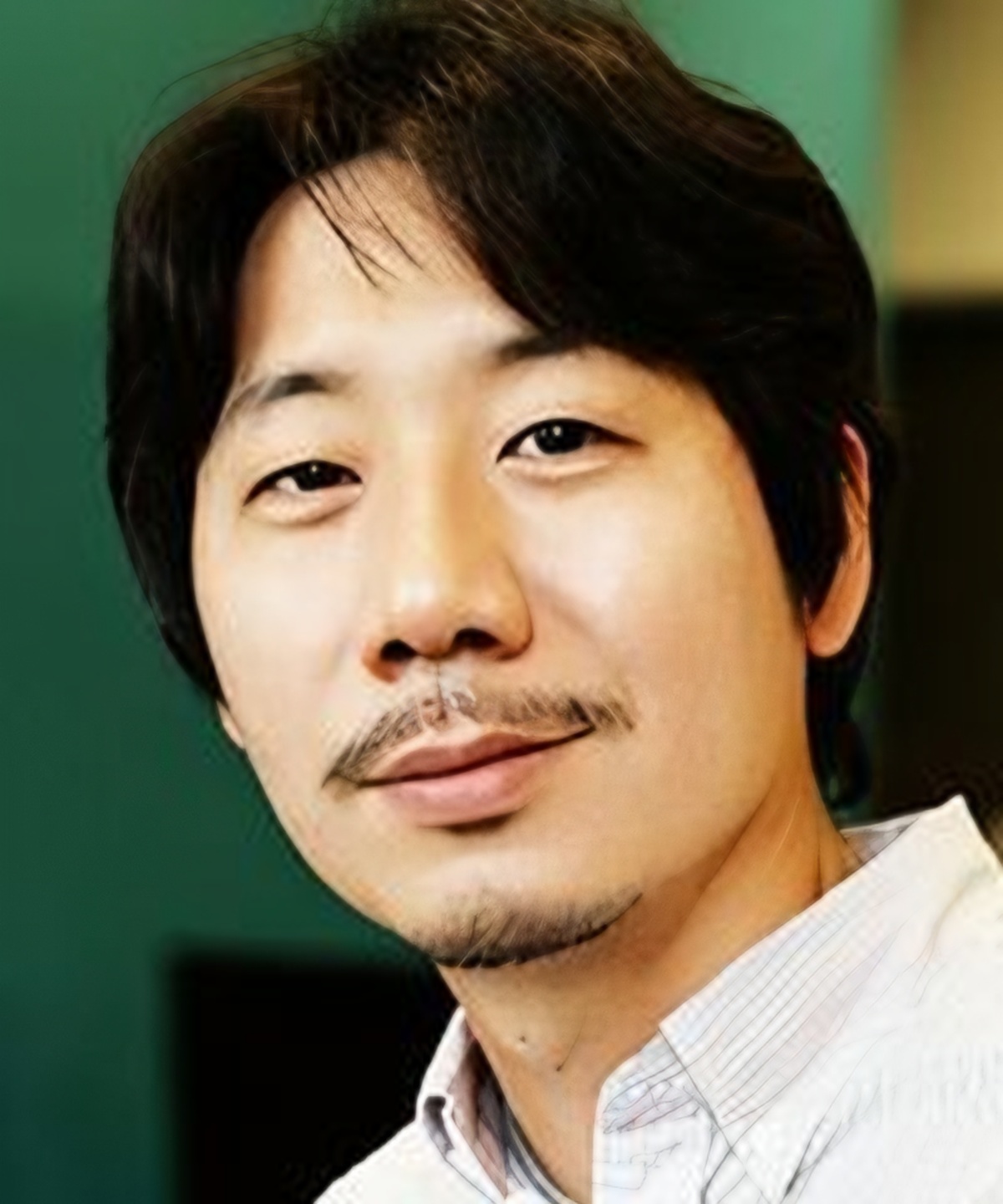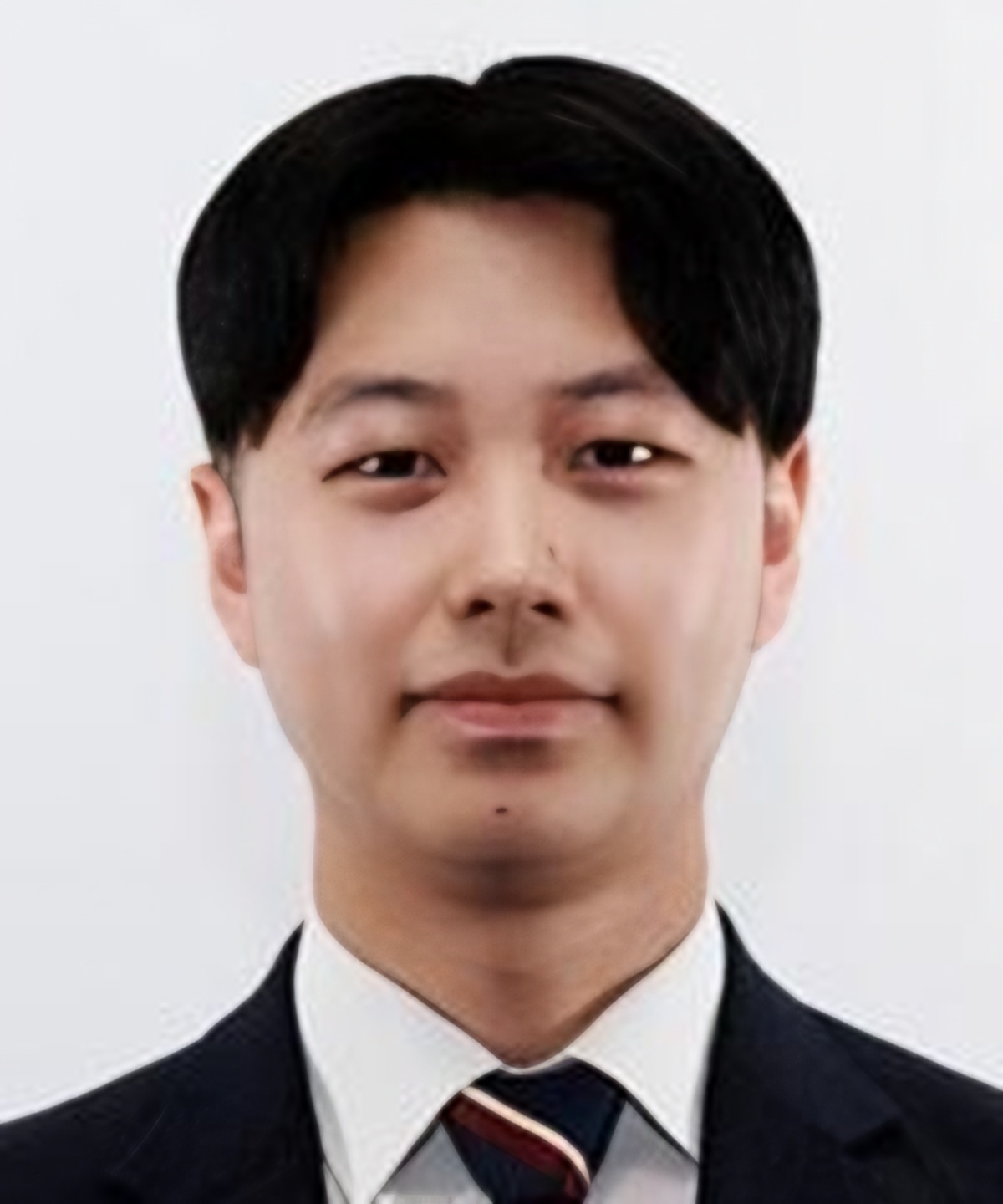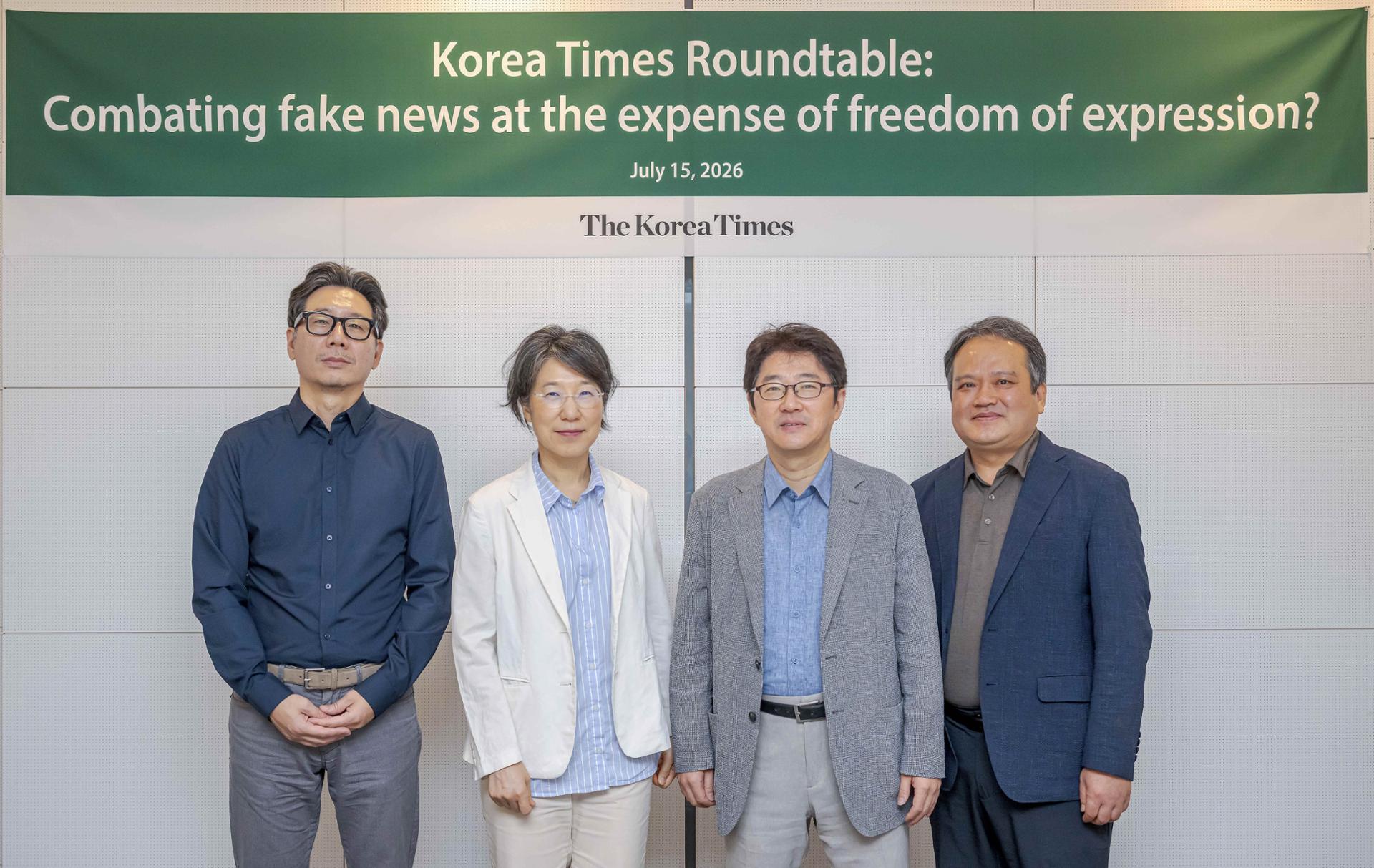
Korea Times columnists join The Korea Times Roundtable to examine the Fake News Act, which took effect on July 7, at the conference room of The Korea Times in Seoul on July 15. From left are Pace University professor Min Seong-jae, Hongik University professor Cho Hee Kyoung, Dankook University professor Park Jung-won and Korea Times chief editorial writer Shim Jae-yun. Korea Times photo by Shim Hyun-chul
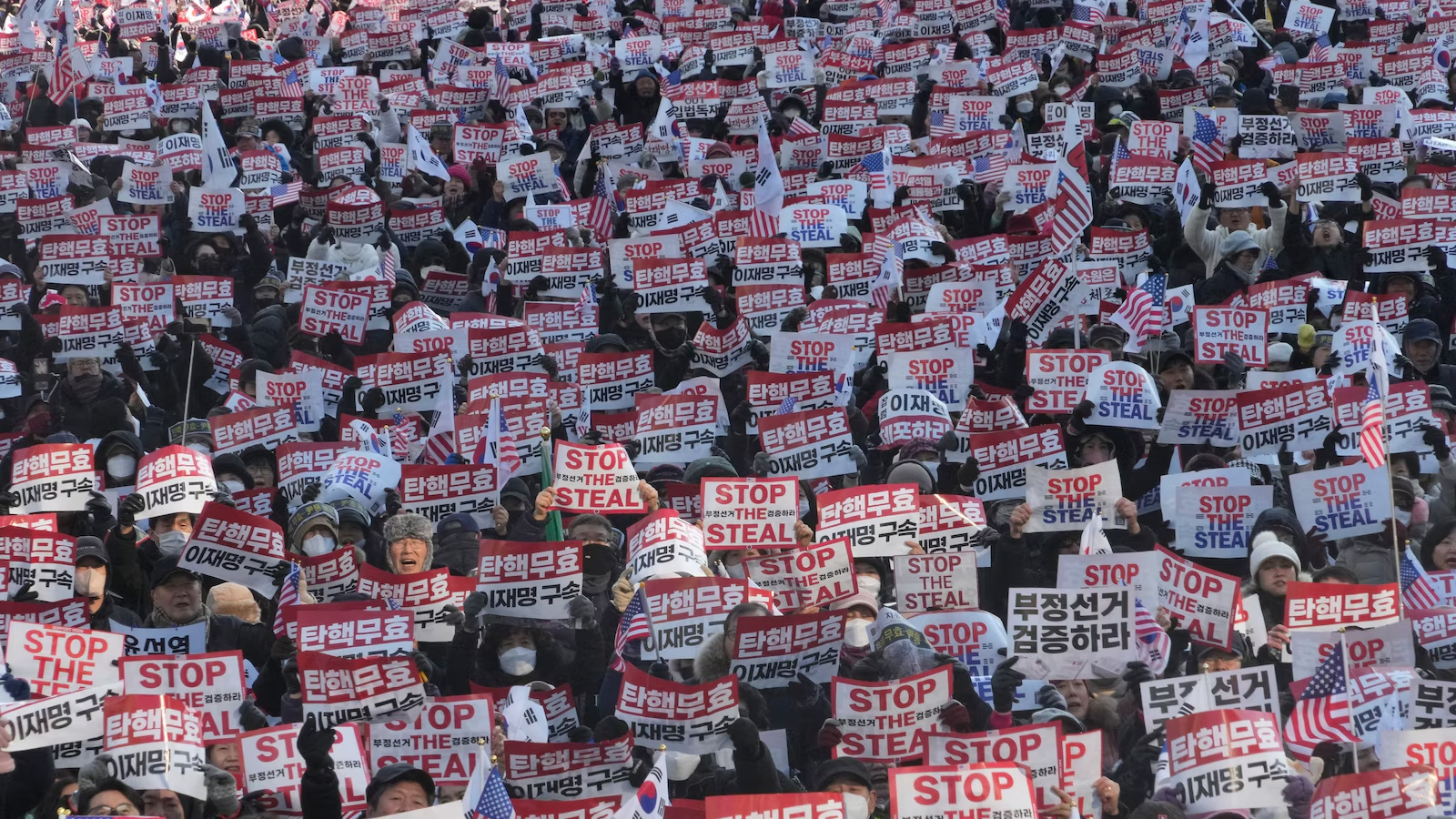
The Fake News Act, which took effect on July 7, has sparked widespread debate. Combating fake news is undoubtedly necessary. The threat posed by misinformation will only grow in the age of artificial intelligence, as advanced technology makes it easier than ever for people to create and spread false or manipulated content.
Despite this pressing need, the act has drawn criticism for relying on controversial measures, vague definitions of what constitutes fake or manipulated news and excessive punitive damages, making it appear more like a quick fix than a carefully considered solution.
To examine the act's shortcomings and explore possible improvements, The Korea Times hosted a roundtable discussion featuring three columnists: Park Jung-won, professor of law at Dankook University; Cho Hee-kyoung, professor of law at Hongik University; and Min Seong-jae, professor at Pace University in New York.