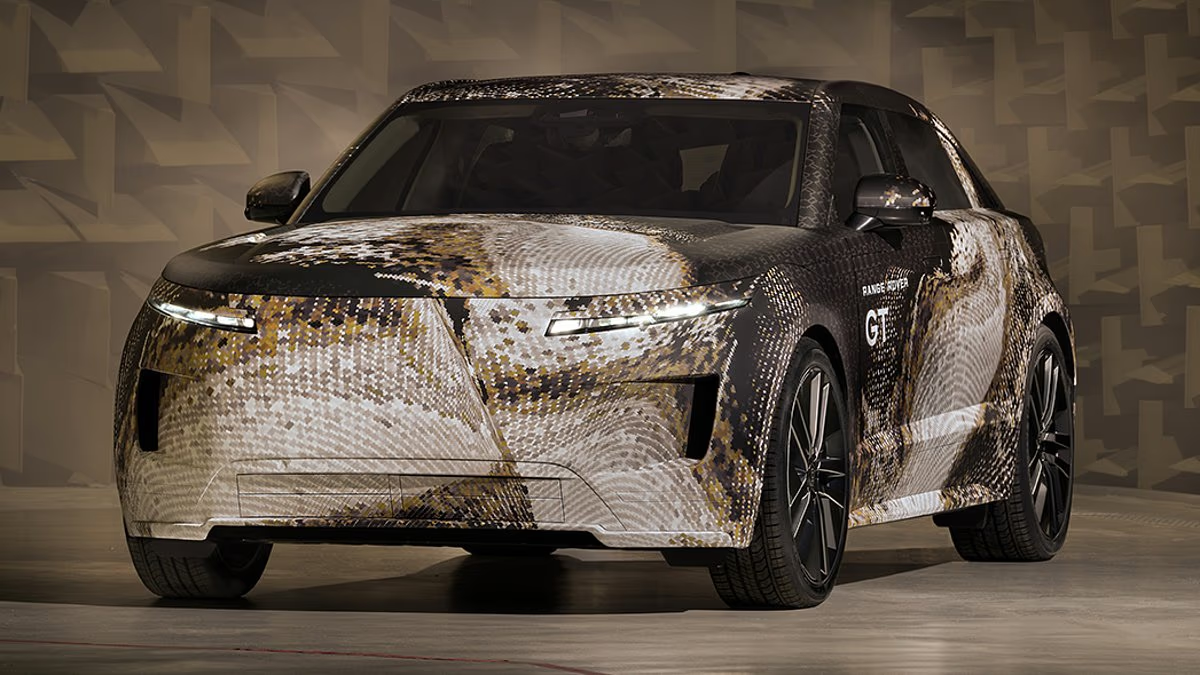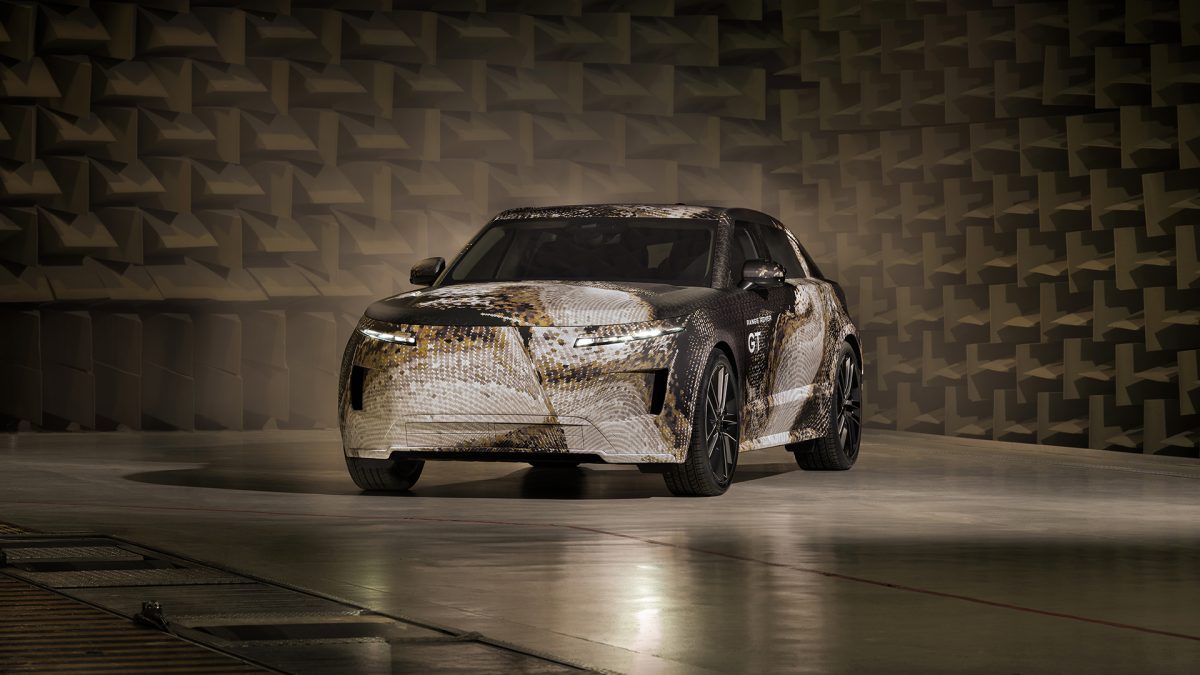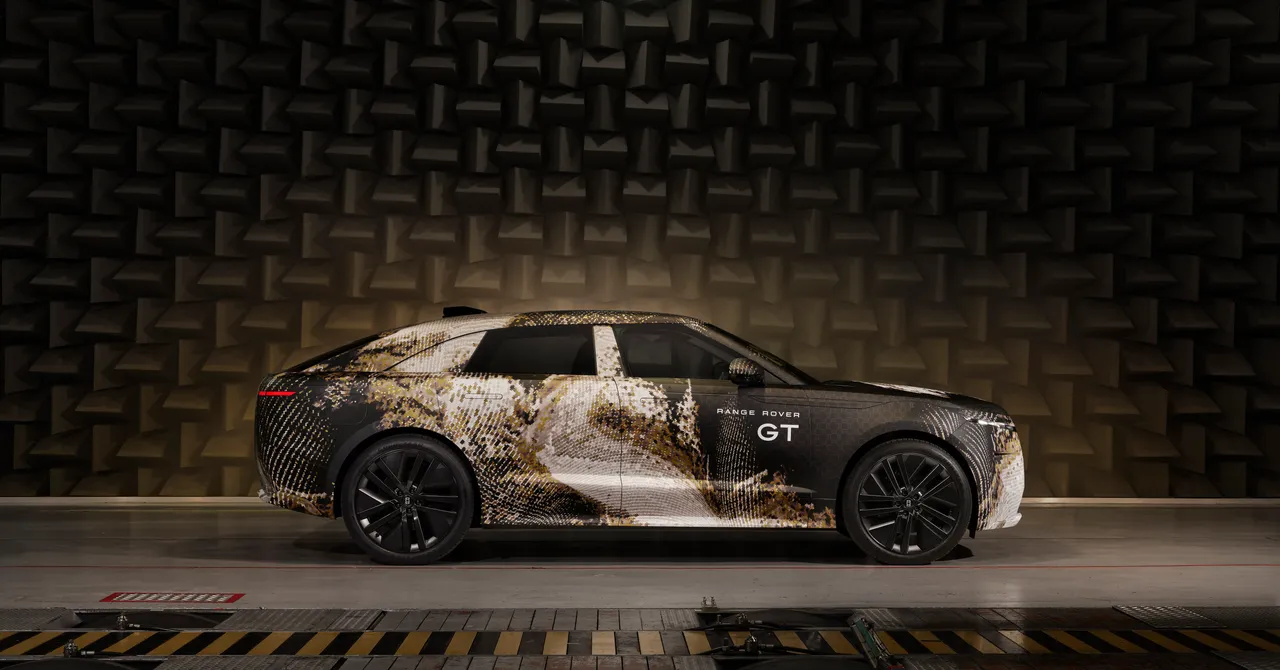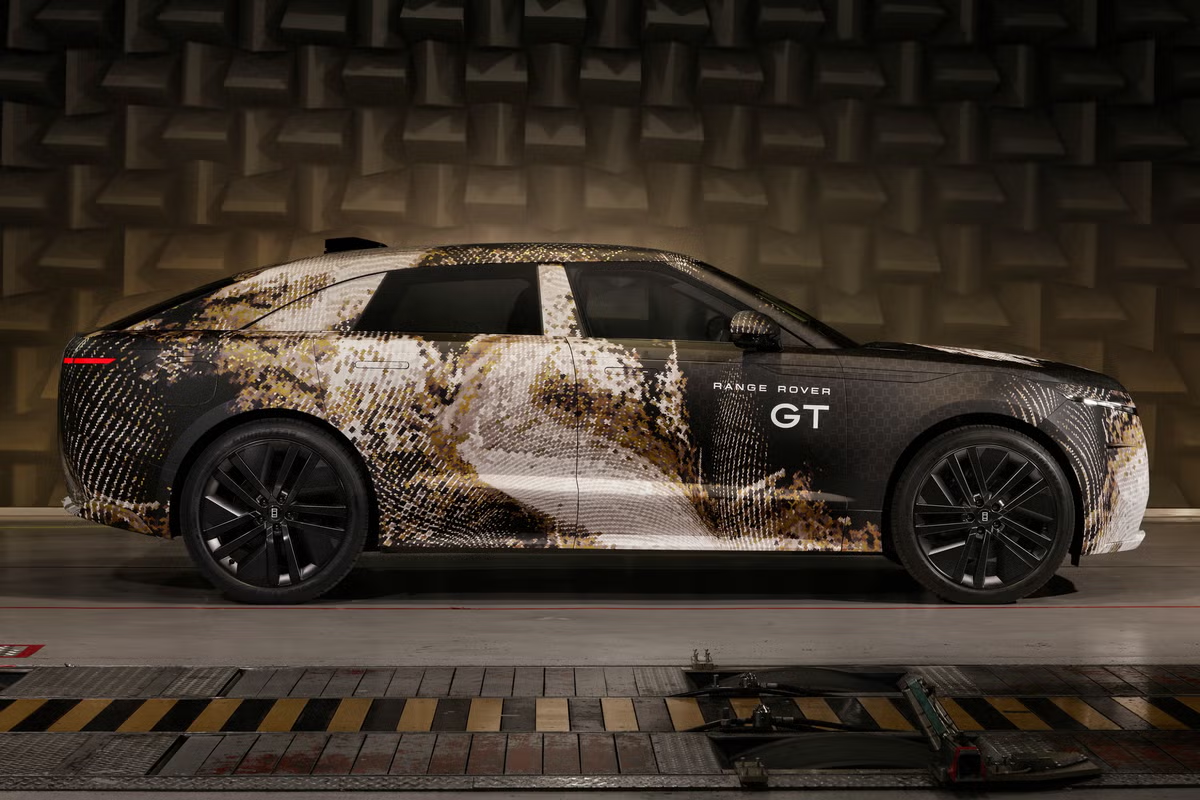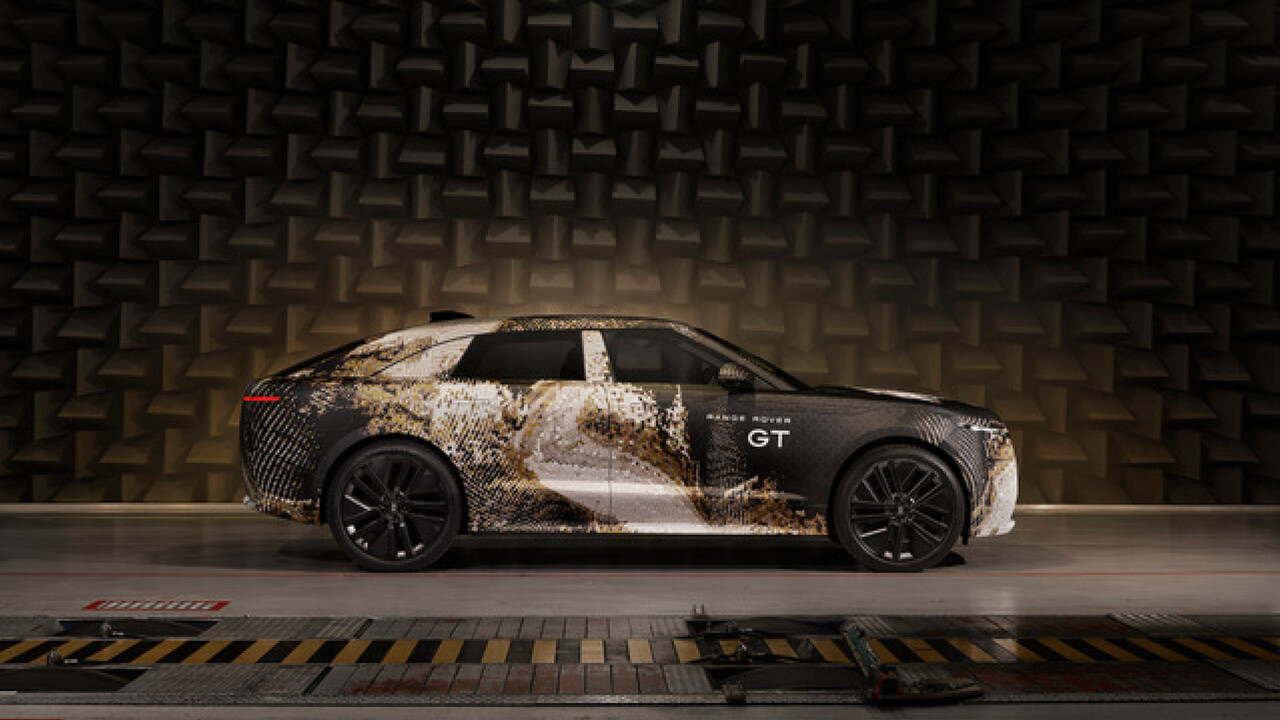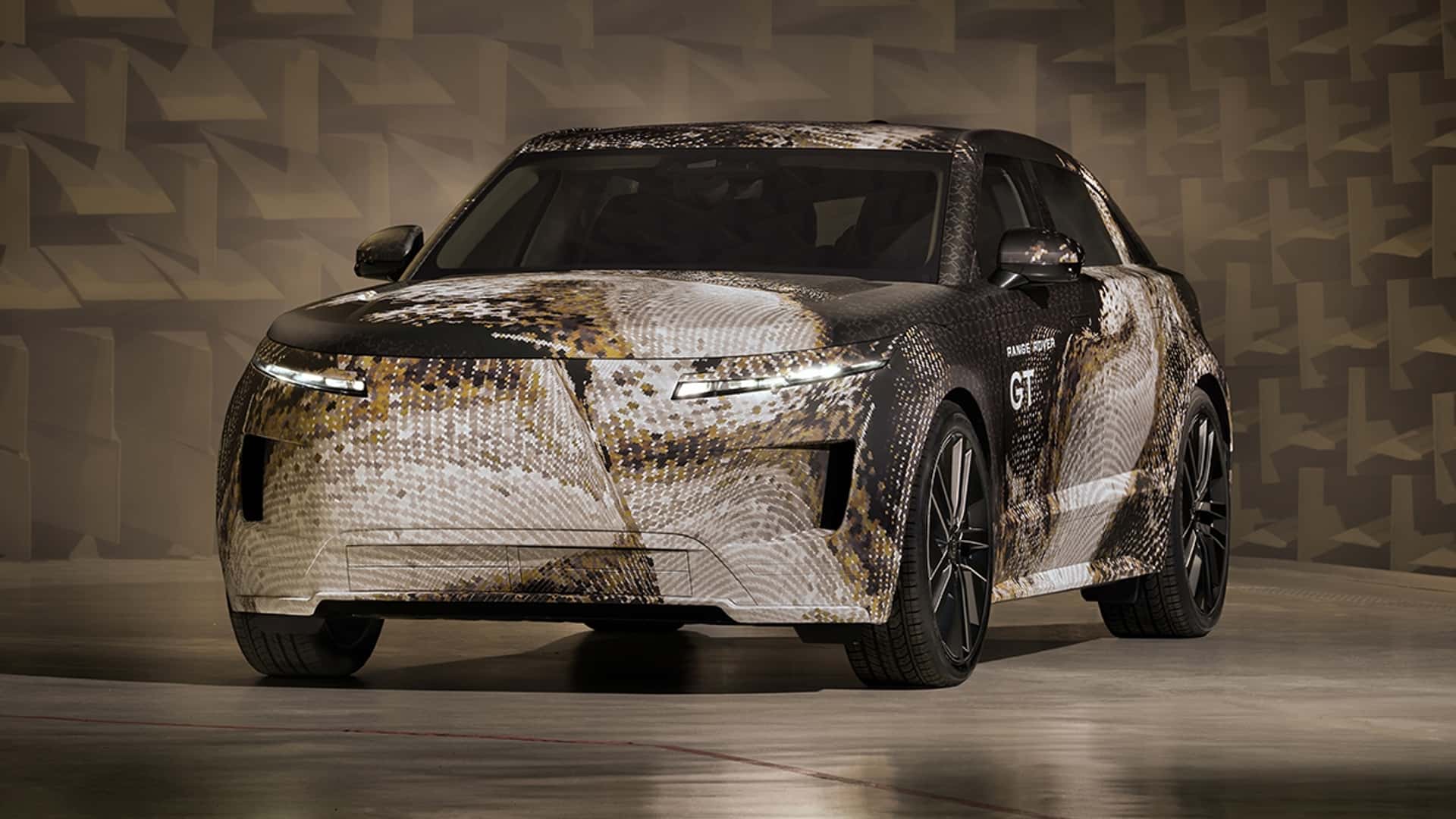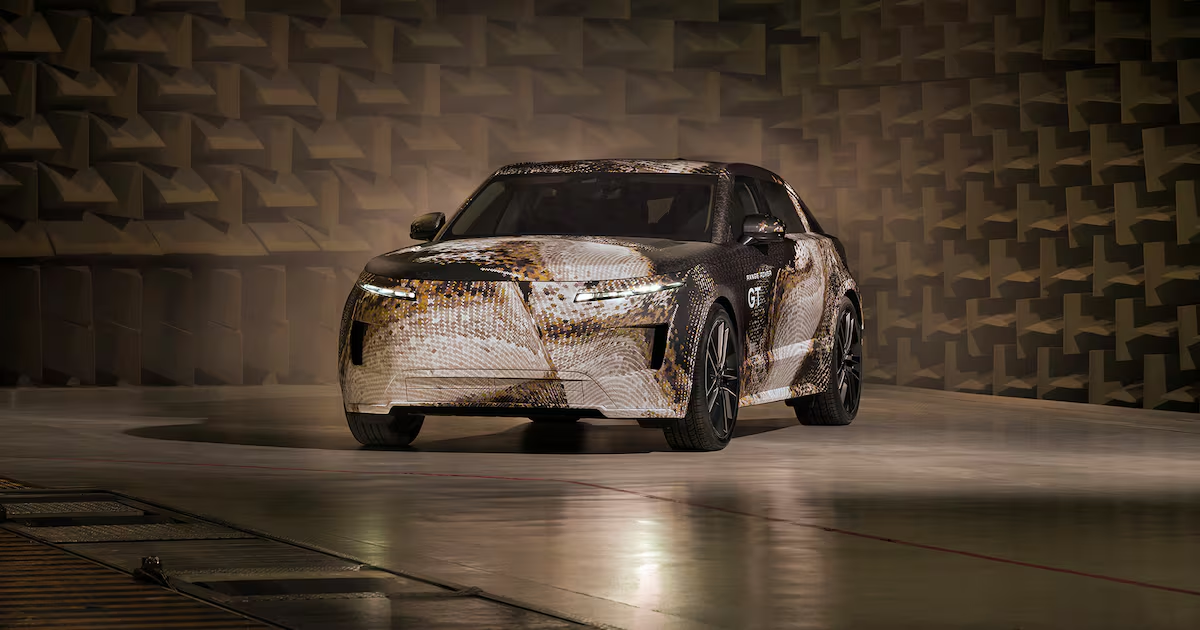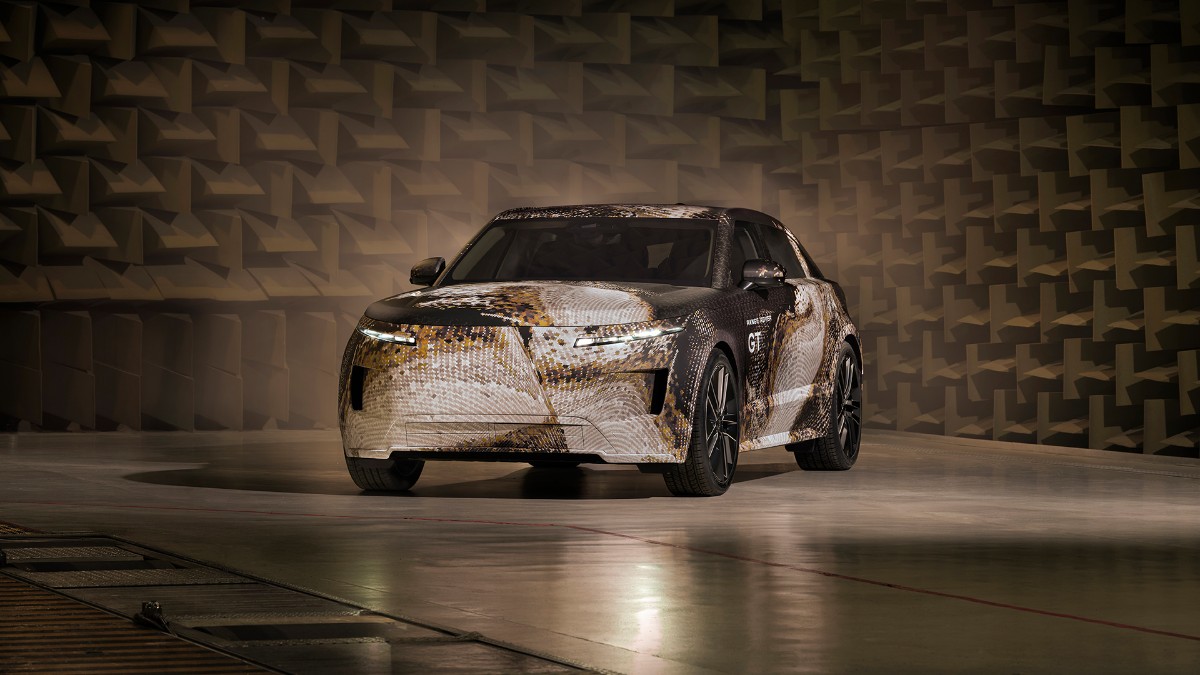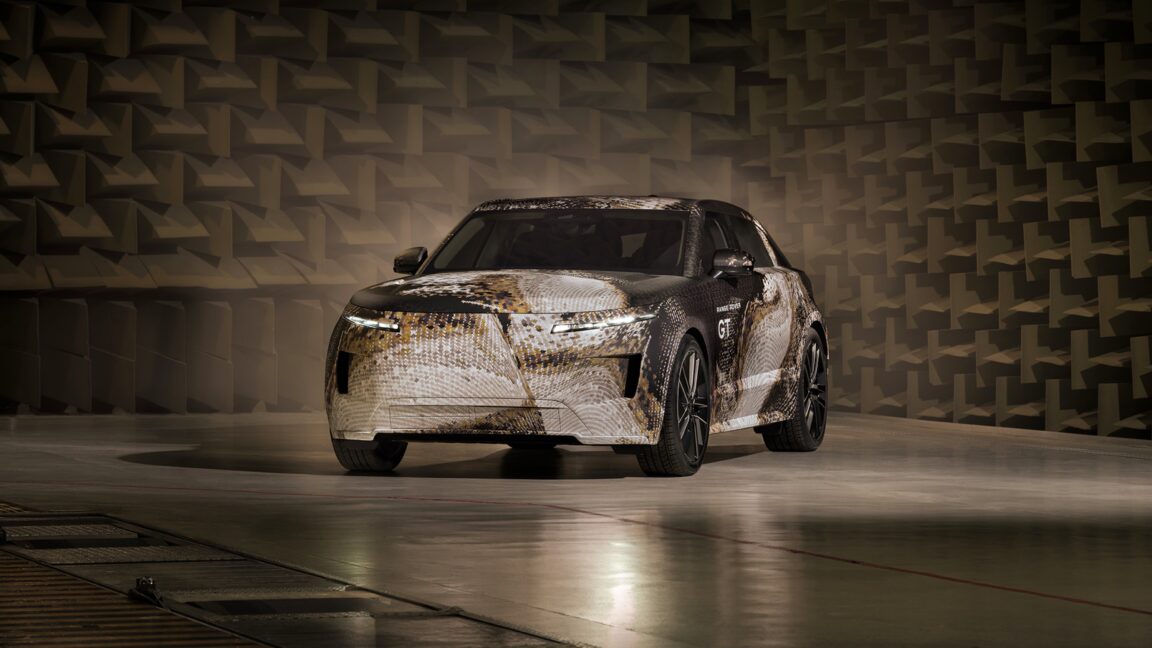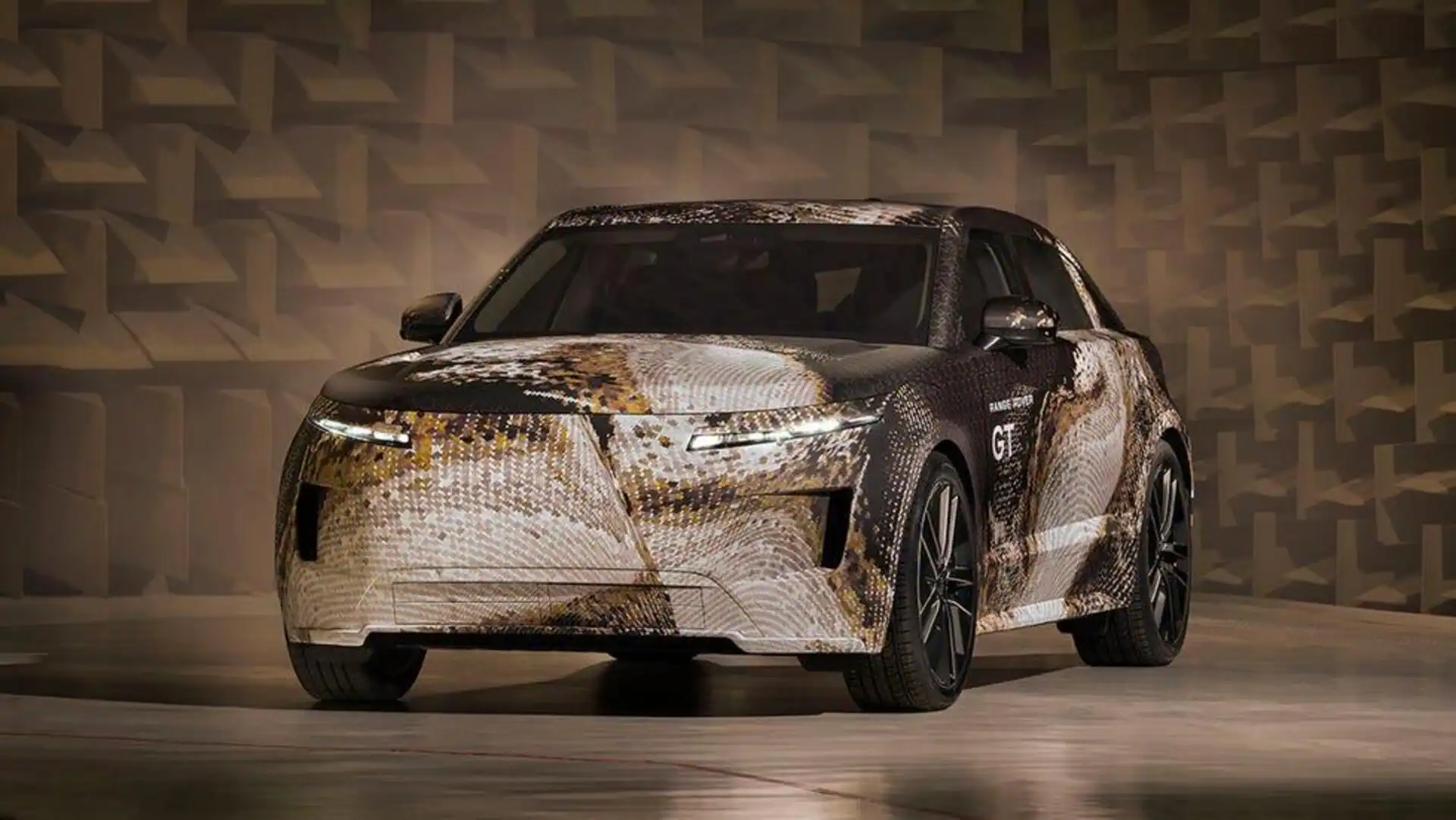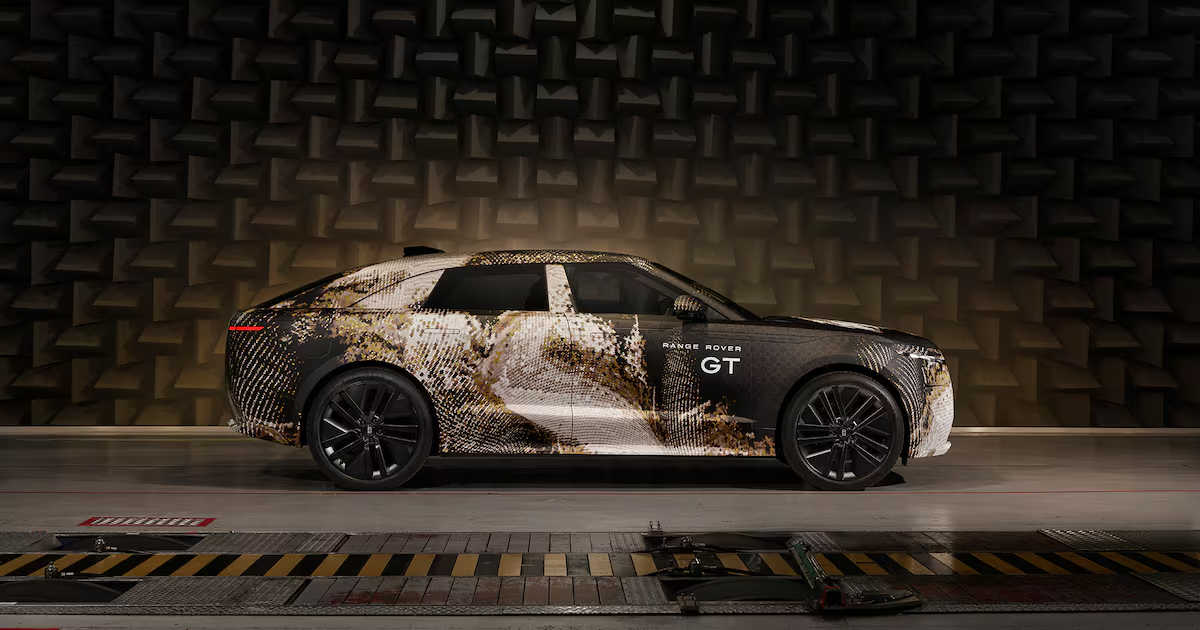
In a break from the boxy SUVs that have defined the brand to date, premium off-road brand Range Rover is adding a fastback grand tourer to its line-up. The car will bring to five the Range Rover model range and bring the marque more closely into competition with premium and luxury rivals.It’s a bold move but, at a time when the political winds are increasingly blowing against SUVs, it seems sensible to shift towards a sleeker format than the traditional bulky, boxy models. It seems Range Rover is betting that the future lies beyond SUVs. The logic is that if the likes of Porsche and Bentley can shift into SUVs, so too can Range Rover move in the opposite direction. The radical model, in effect, places Range Rover in competition with premium electric tourers such as the Porsche Taycan and upcoming BMW and Mercedes-Benz rivals. The GT is built on the car company’s new EMA architecture, which means it will be all-electric at the outset, but we know this set-up can also be adapted for plug-in hybrid power options as well. EMA represents one of the most important projects in parent JLR’s future product strategy, given that it’s the point where the car maker started embracing software-defined vehicles rather than simply treating electrification as a way to swap out an engine for a battery pack. New Range Rover GT. Judging from the camouflaged test cars, we know that the GT is both sleek and long. It seemingly retains the brand’s prominent nose but sweeps back quite dramatically from its raked windscreen, becoming less distinctively Range Rover at the rear. The upside of that slippery, low set format is that it will deliver grand tourer traits. Expectations are that it will have a range in the region of 600km on a single charge. Martin Limpert, managing director of Range Rover, described the car as delivering “effortless EV performance, first-class long-haul refinement and all-terrain capability”. That last reference is an indication that, while this may be the most car-like Range Rover ever built, the intention is it will still retain the brand’s off-road talents for conquering rocky inclines and wading through rivers.A credible off-road car is not new – think Subaru Outback, Volvo XC70 or Audi A6 Allroad – but that market was eaten up by SUVs. It would be fitting if Range Rover is the one to revive it.For now, its engineers are only talking about its interior, and the car’s product design manager Lee Perry is quick to point out that the sweeping dash has only four buttons. Range Rover has opted for a single central screen mounted on a dash wrapped in a clean woven textile. The design is paired with a narrow driver display above the steering wheel. Aiming for an uncluttered cabin look, Range Rover has opted for a single central screen mounted on a dash wrapped in a clean woven textile and paired with a narrow driver display above the steering wheel and a driver heads-up display which will be fitted as standard. Perry said that, unlike most current cars, he wanted to avoid the frequent duplication of information across screens. So, in the GT, information will be displayed in one location, either on the main 13-inch central screen, the driver display or the heads-up system. [ Freelander name returns as a Chinese EV – and it’s coming to EuropeOpens in new window ]Along with these controls, Range Rover’s GT will also feature voice controls powered by OpenAI’s ChatGPT. GT programme manager Matt Ives says this will allow for natural conversational instructions to be given to the car’s system. Part of the uncluttered cabin template is a floating central bridge between the driver and passenger that opens to reveal two wireless phone chargers at the front and covered cupholders and a cubbyhole to the rear. The Range Rover GT will be offered in either a four or five-seat format, depending on the rear configuration. With a large panoramic glass roof lighting the cabin, it will be offered in either a four or five-seat format, depending on the rear configuration. Managing director Limpert said: “We have spent the last few years working obsessively on the fundamentals of the GT formula, reinterpreted in a sophisticated, uniquely Range Rover way. The result is the most car-like, yet unmistakably capable, Range Rover ever created, now possible on our electrified EMA architecture.”Along with confirming a new addition to the model range, Range Rover has also announced the arrival of its all-electric version of the Range Rover Sport, due in showrooms at the end of this year.Joining the full-size all-electric Range Rover flagship with little changes in the styling or interior, underneath the SUV features two electric motors, powered by a battery pack with 118kWh of usable storage, delivering a real-world range of about 530km. Using an 800-volt architecture, it will be capable of fast-charging up to 350kW. It’s expected that with outputs of 550hp and up to 850Nm of torque on offer, the all-electric version will be a match for the current SV performance version.
Range Rover breaks from SUVs with radical electric GT
The new grand tourer represents the biggest departure in Range Rover’s history as it moves beyond SUVs
844 words~4 min read