In the weeks before Slovenia’s March 2026 parliamentary election, secretly recorded videos alleging corruption among figures linked to the governing coalition were released online with calculated timing. Slovenia’s Intelligence and Security Agency (SOVA) subsequently confirmed foreign influence operations around the vote and presented evidence of concrete activities by a foreign para-intelligence agency, including documented contacts with Slovenian entities.
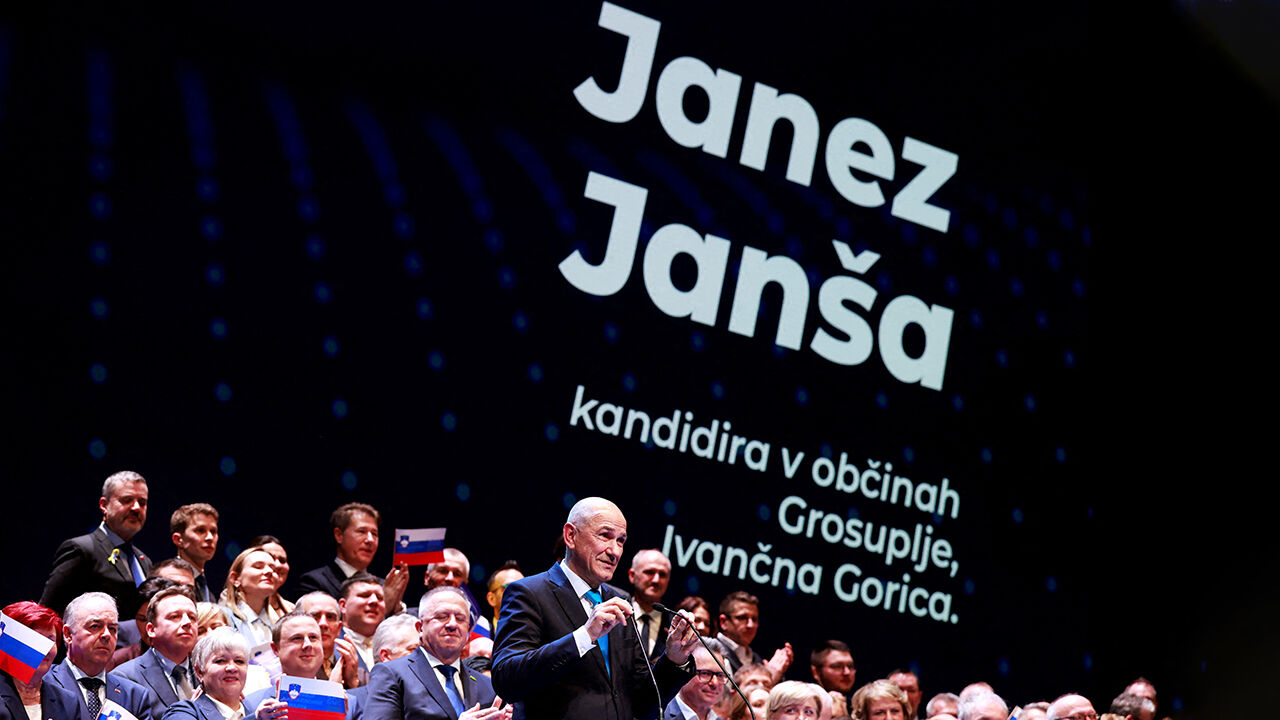
Official statements noted visits by representatives of Black Cube, an Israeli-origin private intelligence firm, on multiple occasions, with material evidence tying three named individuals to locations including the street where the main opposition party maintains its headquarters. The opposition leader acknowledged contacts with one Black Cube adviser but denied any wrongdoing connected to the election.
The firm itself stated that its services are provided exclusively to business clients in litigation, arbitration and white-collar matters.
Whatever the precise chain of commissioning, the episode revealed something larger than a single scandal. The infrastructure of covert electoral pressure is now commercially available, operationally modular and capable of functioning inside consolidated European democracies.