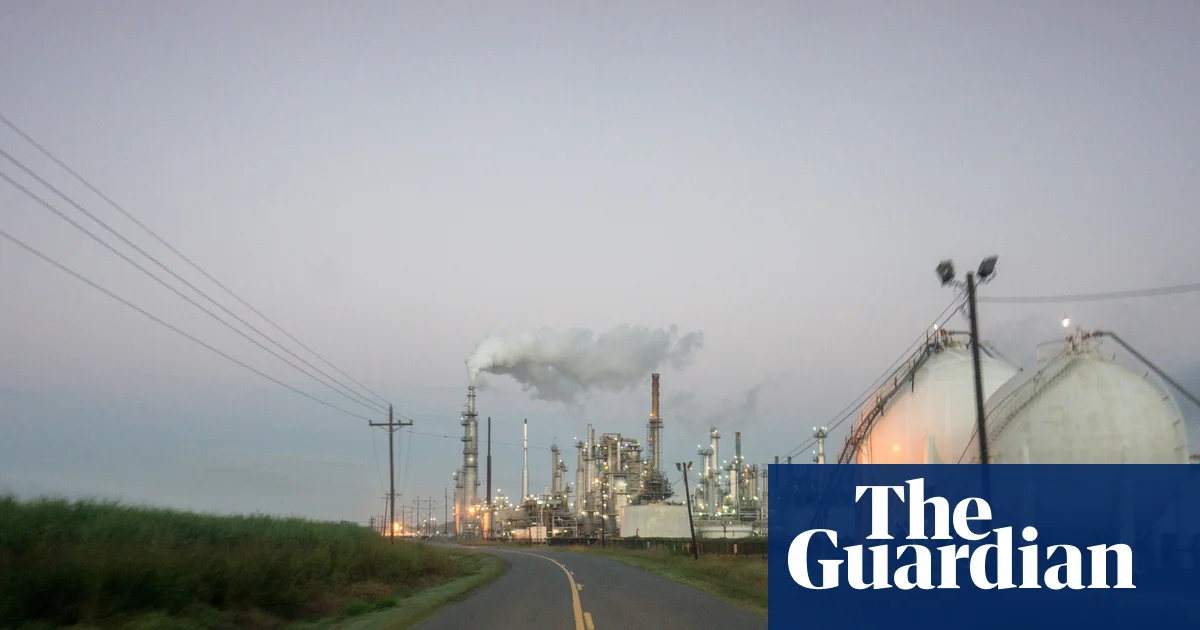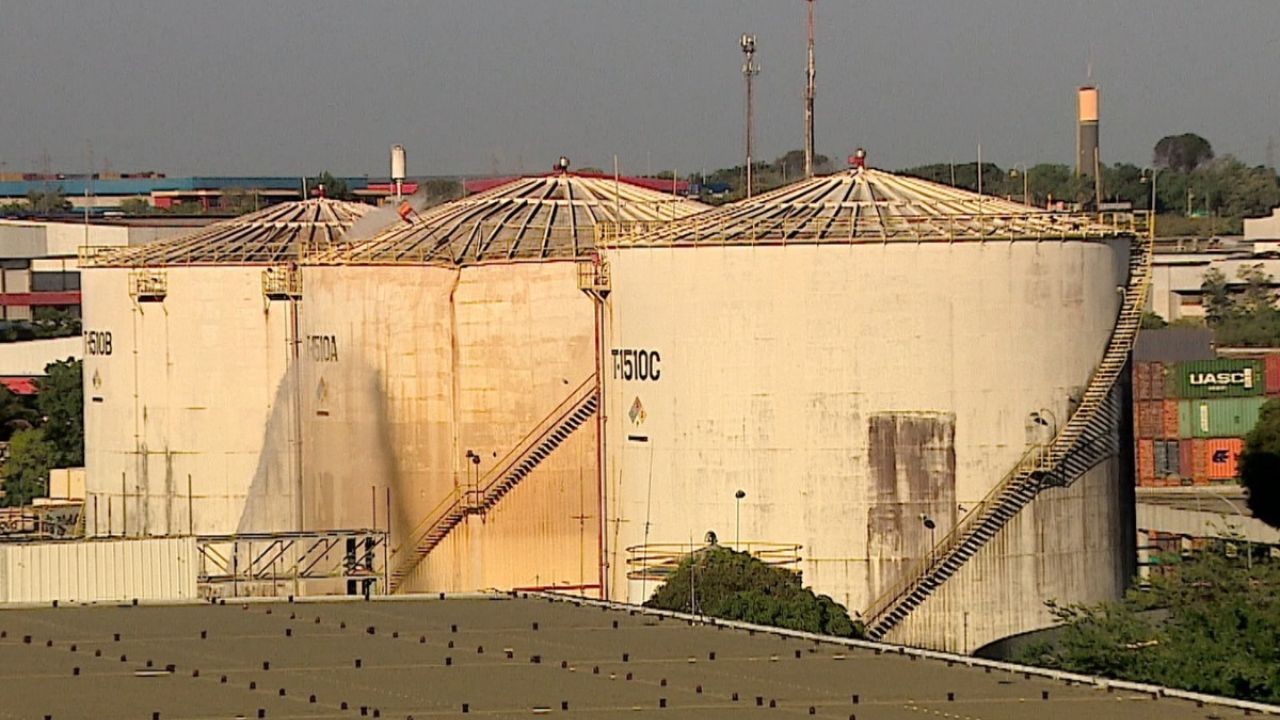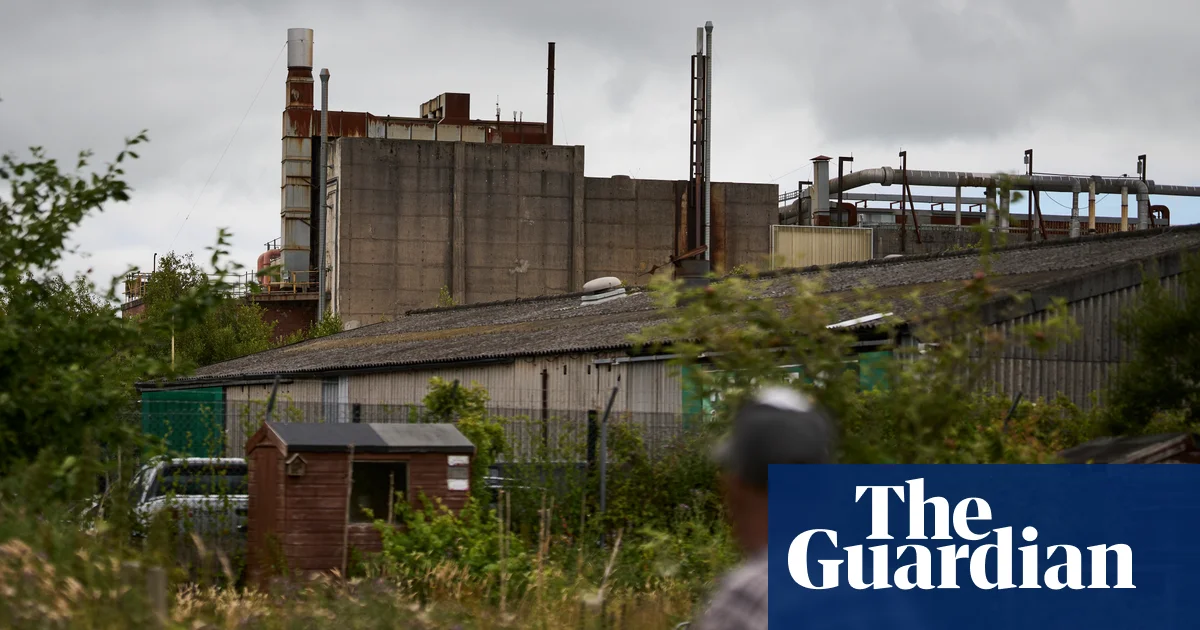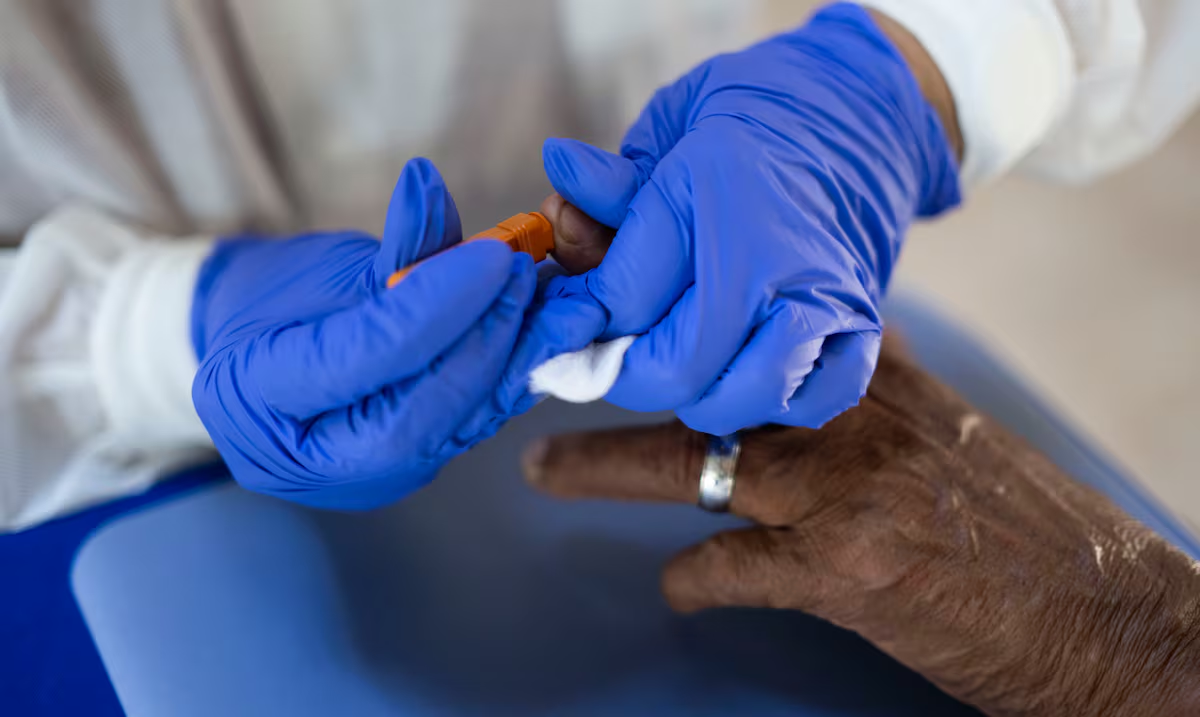
Official documents show the historic presence of benzene and other contaminants in São Sebastião’s Itatinga neighborhood. Despite reports of illnesses, an epidemiological study planned for assessing the impacts on the population has never been conducted.Documents from multiple agencies show the historic presence of oil-derived contaminants, including benzene, in a residential area of the Itatinga neighborhood in São Sebastião, São Paulo.For decades, locals have reported cases of cancer, vision loss and respiratory and neurological problems, but a main study intended to look into the health impacts of exposure has never been conducted.In 2025, the Cross-Sectional Health Study planned under a Conduct Adjustment Commitment was replaced with funds to be transferred to the city, leaving one of the community’s core demands unanswered.
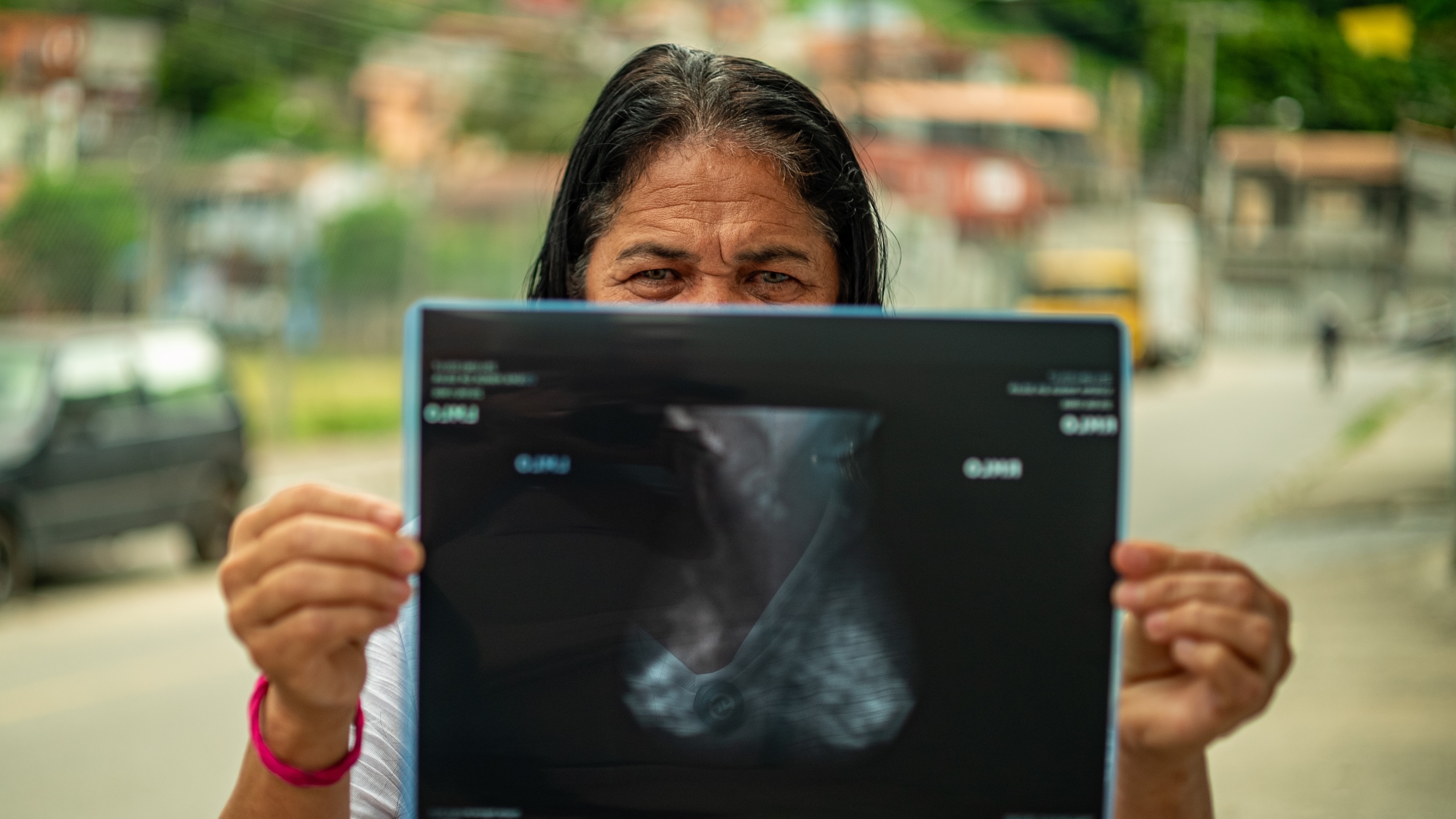
SÃO SEBASTIÃO, Brazil — In front of the house where she has lived for decades, Cosma da Silva points to nearby homes in her Itatinga neighborhood and lists a string of cancer cases. “There’s a woman with cancer over there. Another one lives in that building. And yet another one there [points at the place]. People in this area only die of cancer.”
She sees illness as an integral part of the neighborhood’s landscape and includes her own family in the tally. Her husband Paulo José da Silva died at age 51 from a brain tumor. Cosma herself recently underwent surgery to remove a nodule. As she deals with the consequences of the treatment — a wound that burns and itches on the side of her chest — she continues to observe several sick relatives, neighbors and acquaintances.