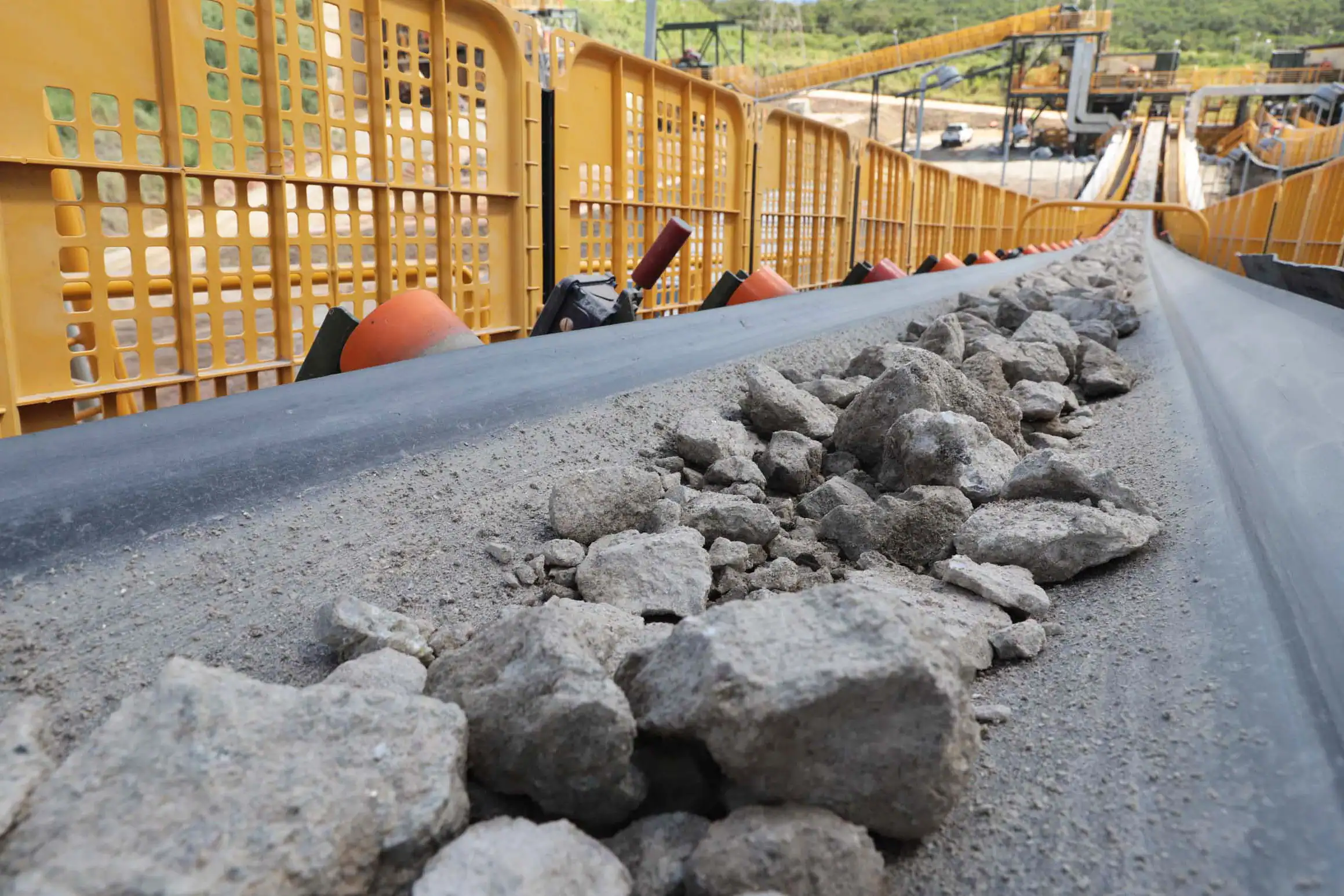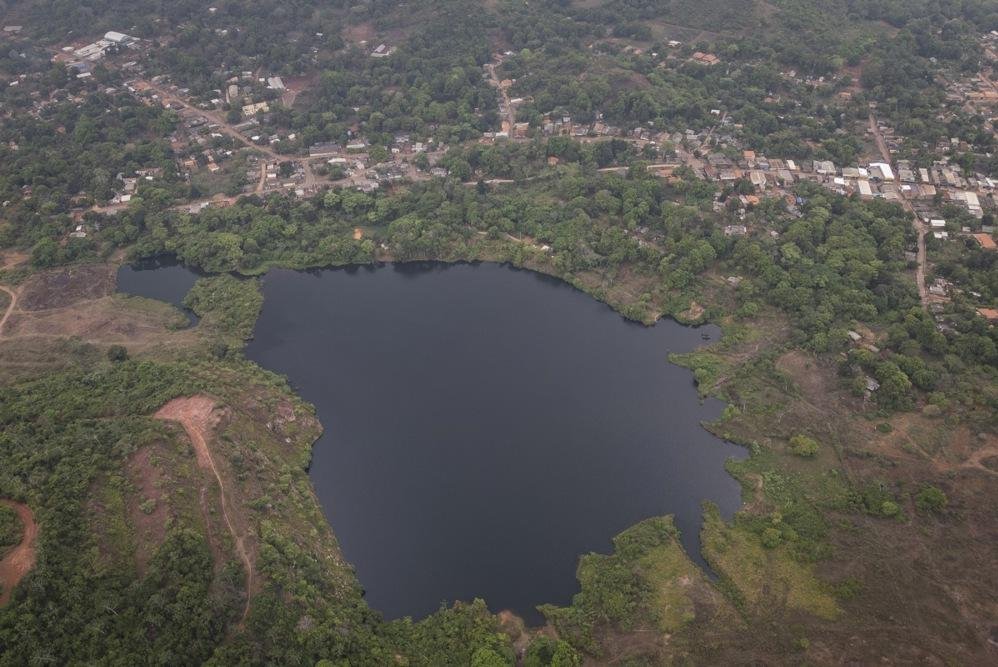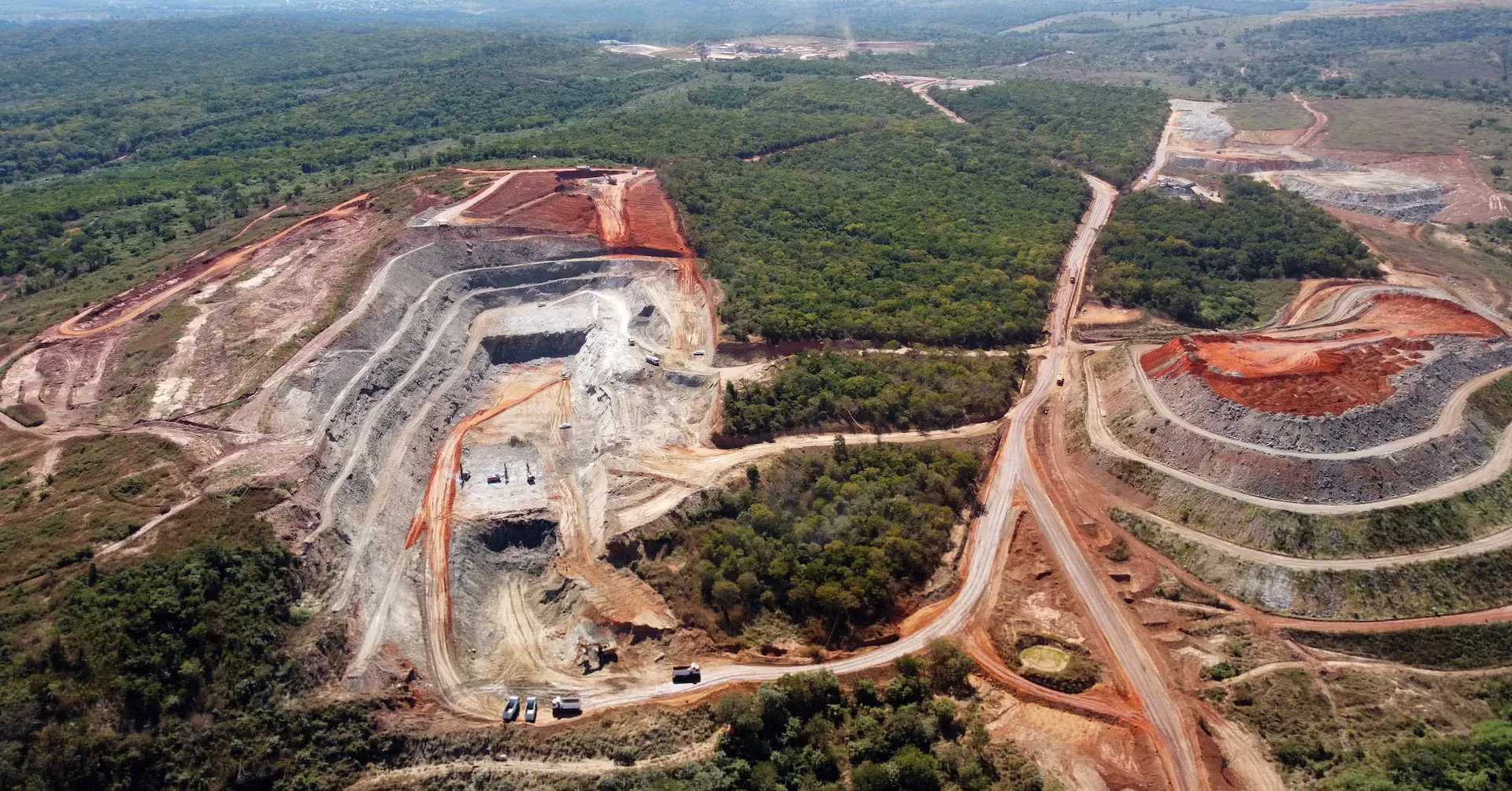
Cracks are visible on the walls of a house located near a lithium mining site in the Jequitinhonha Valley, Brazil, on May 29, 2025. REBECA BINDA
As she prepared lunch in large pots, Cleonice Patricia, a 56-year-old retiree, studied the cracks that run along the walls of the kitchen in her small clay house. "It's going to collapse," the woman repeated with a resigned look at the start of January. She lives in Piaui Poço Dantas, a small village of about 80 families in the Jequitinhonha valley, in the state of Minas Gerais, in eastern Brazil.
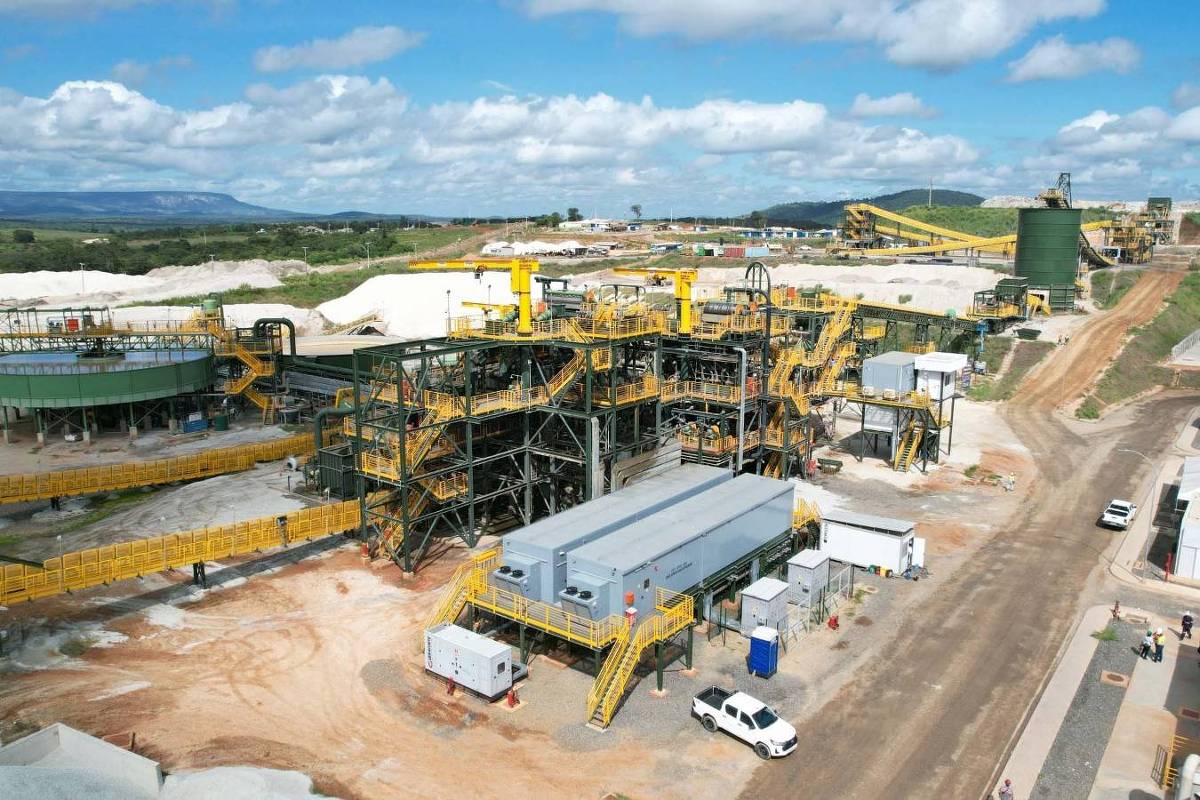
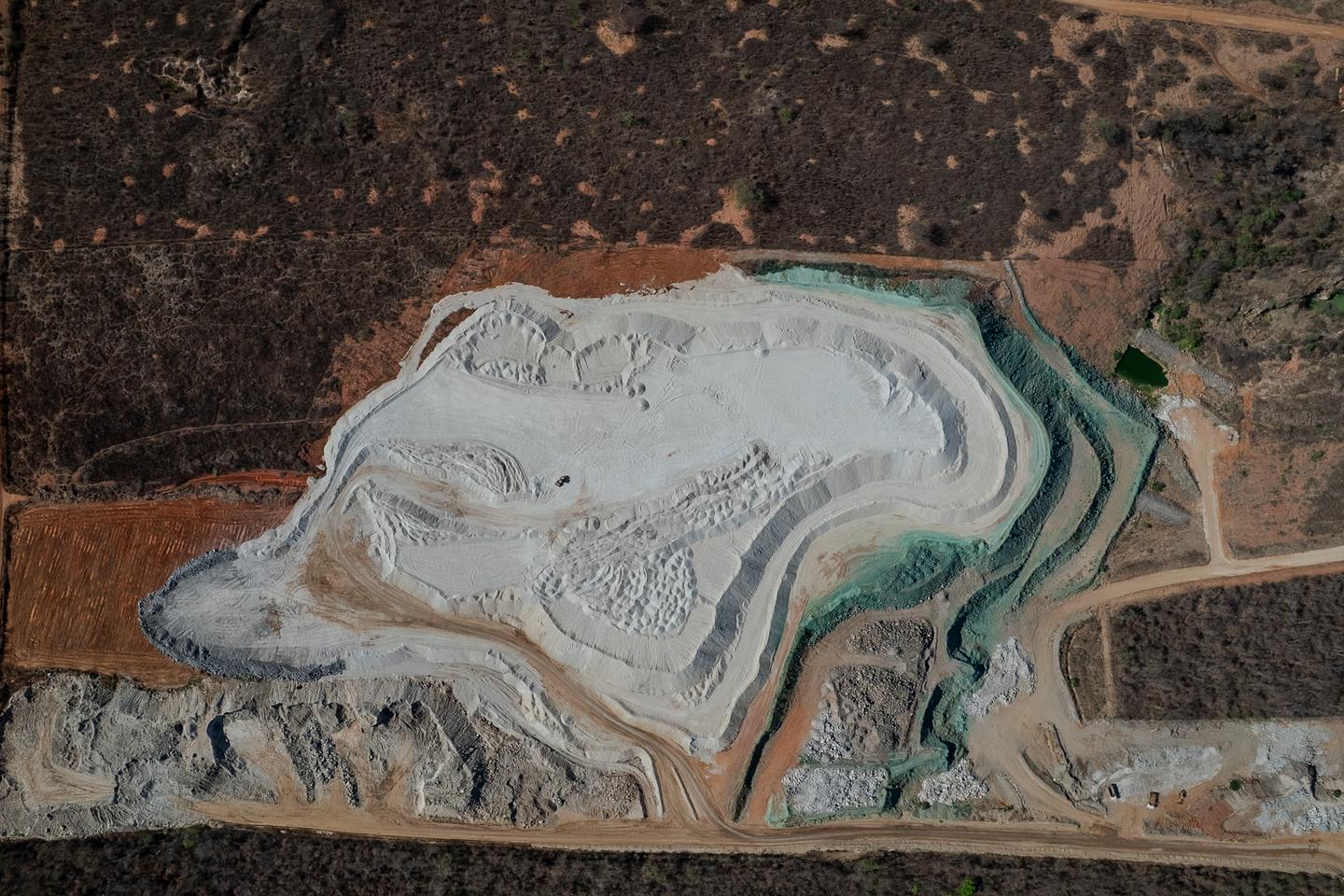
Like many of her neighbors, she blamed the explosions from the open-pit lithium mine, operated by the Canadian company Sigma Lithium, about one kilometer from her home, between the municipalities of Itinga and Araçuai, for damaging her house and raising clouds of dust. The old, frayed rag she carried on her shoulder never left her side. "You have to wipe everything down all the time!" she said in a whisper.
Yet when Sigma began operations in the region in 2023, residents of Piaui Poço Dantas, a village of artisanal miners, were filled with hope. Romeu Zema, governor of Minas Gerais since 2018, promised that extracting the metal, globally coveted for electric battery production, would allow this disadvantaged region, which the United States Geological Survey says holds about 85% of Brazil's lithium reserves, to shed its nickname of the "valley of misery."