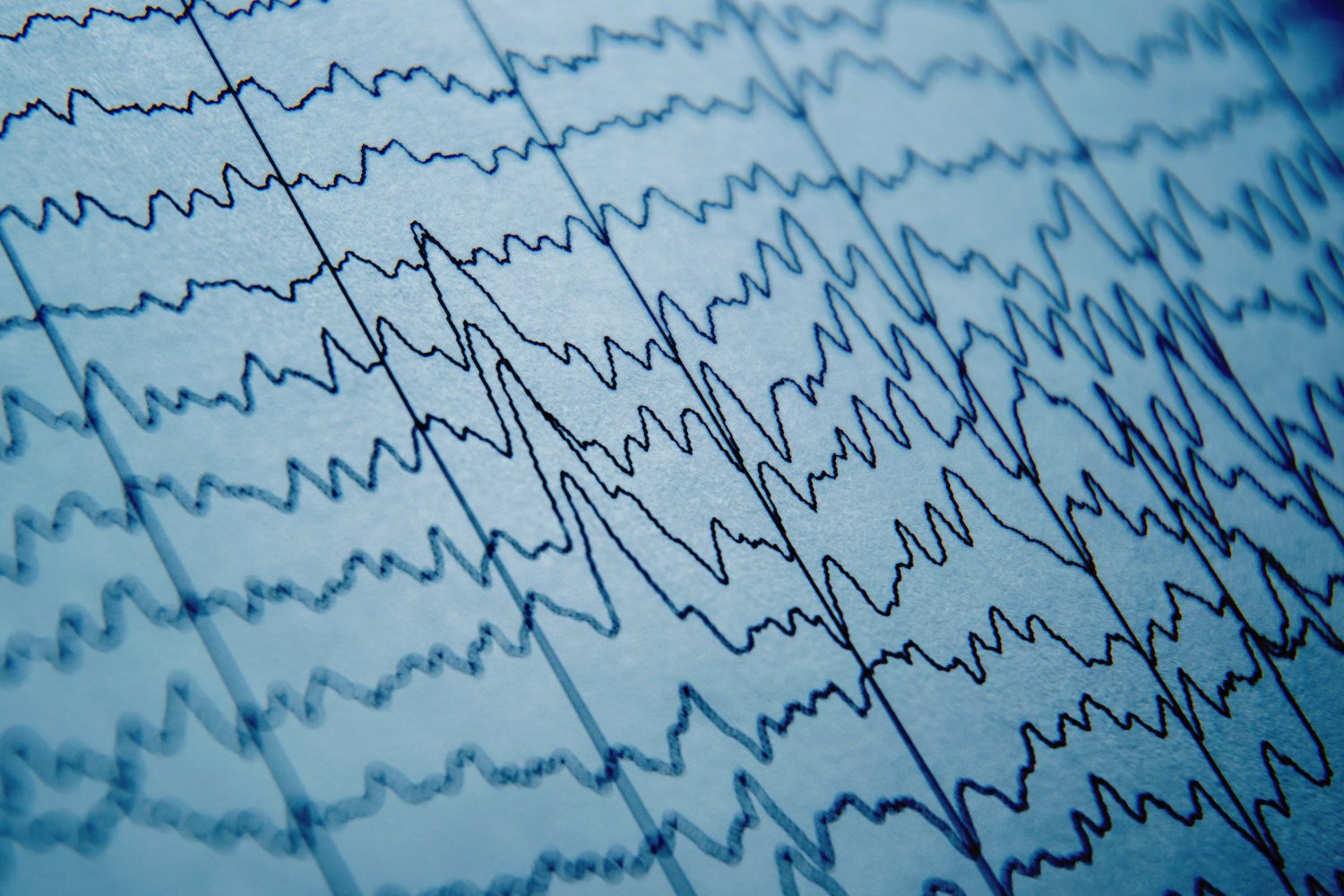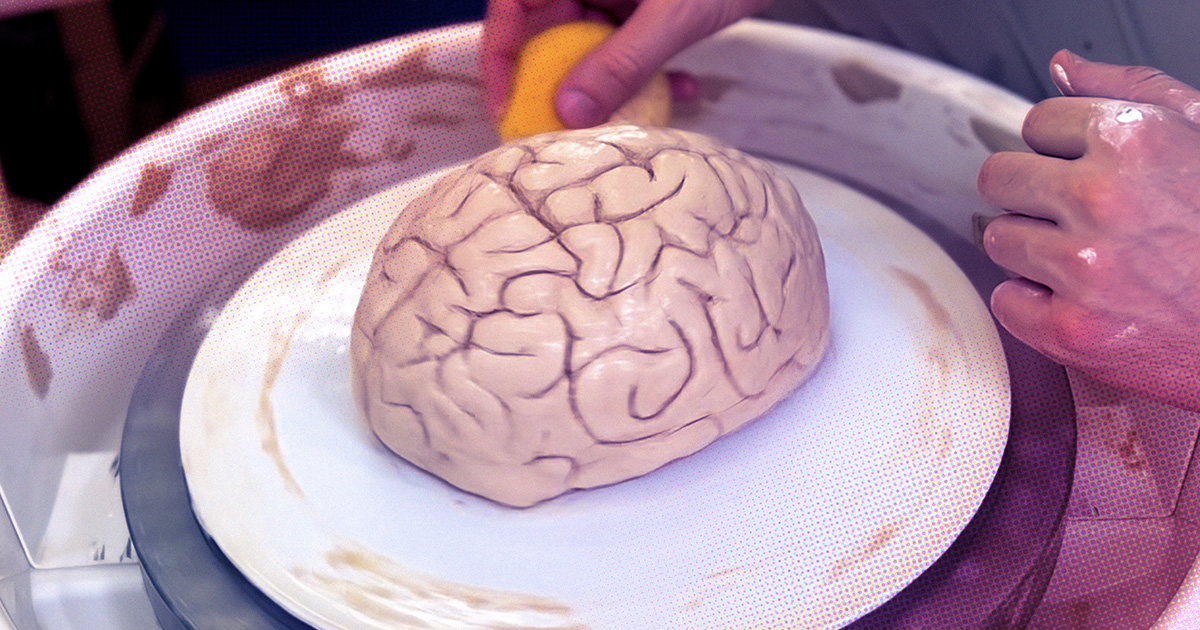
Your brain has something surprising in common with the ocean: waves. Electrical activity washes over the brain's surface, creating what are called traveling brain waves, or neural traveling waves. These waves cause real differences in your behavior and attention and—again, like ocean waves—can have variable causes, from intrinsic activity to environmental inputs.
A new review article by Salk Institute neuroscientists synthesizes physiological and computational information about these neural traveling waves and draws a new conclusion: Neural traveling waves are a computational engine in the visual cortex. These waves allow the visual cortex (and likely other areas of the brain) to build representations of the external world, enabling our capacity to predict, reconstruct and perceive the world around us.
The piece was published in Neuron on July 21, 2026.
What are traveling brain waves, and why do they exist?
Salk neuroscientist John Reynolds was the first to identify traveling brain waves in the visual systems of awake animals in 2020. What's more, his lab found that these traveling brain waves were directly correlated with whether those animals could perceive an object right in front of them—helping explain the classic conundrum of searching for something, like a pair of keys, that was right in front of you the whole time.