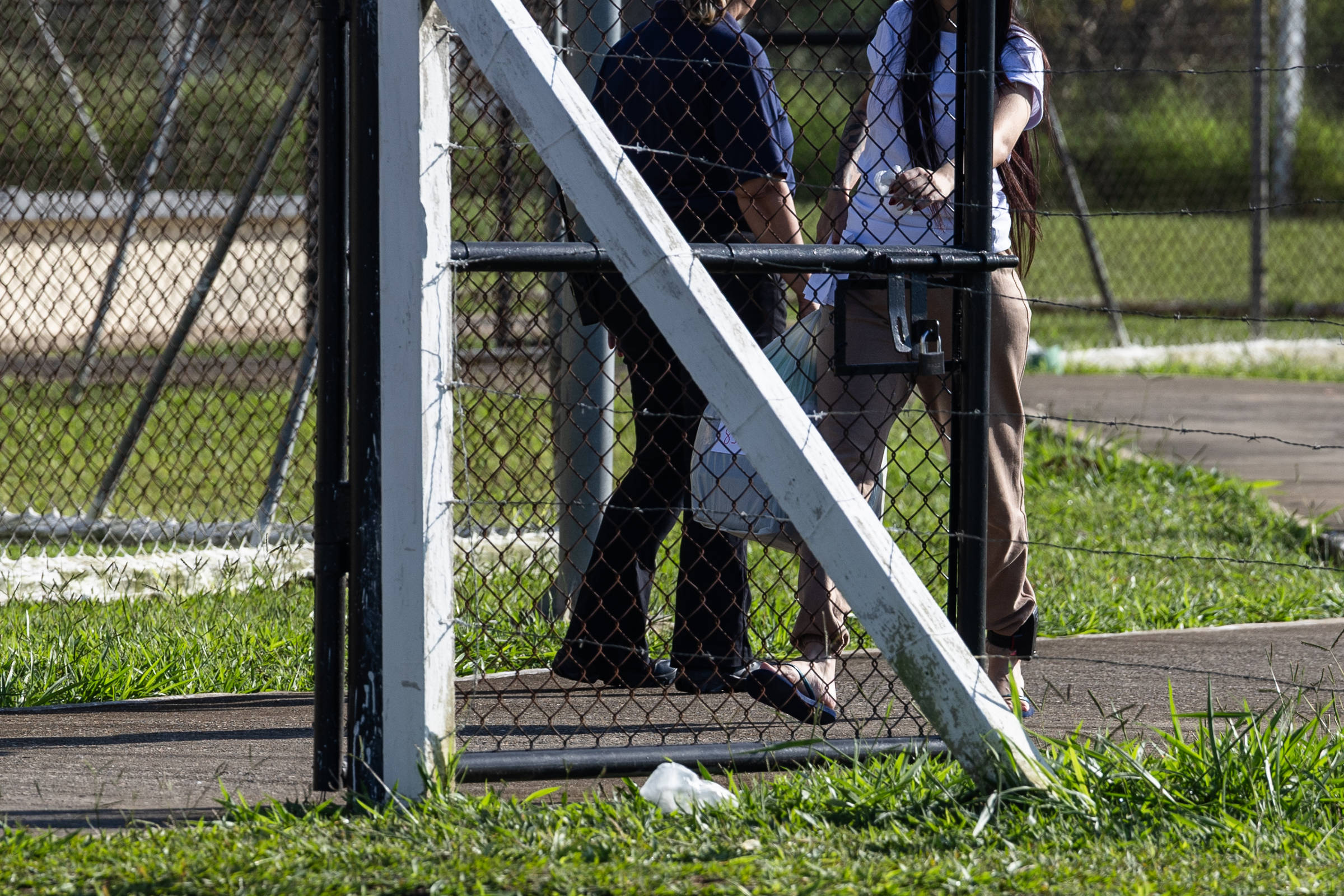
The Brazilian states of Goiás and Ceará have begun monitoring conversations involving leaders of criminal gangs in designated prison visiting rooms, a measure authorized under the Raul Jungmann Law (the Anti-Gang Law) that President Luiz Inácio Lula da Silva's administration plans to expand. These rooms are designated areas where inmates can meet with visitors—including lawyers and family members—without direct physical contact. The surveillance has enabled authorities to uncover orders for murders, extortion schemes and other crimes orchestrated from inside prison.
In Ceará, monitoring began in November 2025 at the Aquiraz Penitentiary Complex and led to Operation Crime Messengers, which resulted in the arrest of 12 lawyers suspected of acting as intermediaries for criminal organizations. According to prosecutor Oscar Stefano, some lawyers recruited members of rival gangs into the Comando Vermelho criminal organization and received about R$500 per visit. Today, the group is estimated to exert influence over 85% to 90% of the state of Ceará.
The model was based on Goiás, where prison monitoring began in 2020 and led to the arrest of 16 lawyers during Operation Gravatas in 2022.
The Brazilian Bar Association (OAB) opposes the measure. "Attorney-client privilege is an essential guarantee of due process and the right to a defense. Professional confidentiality protects both citizens and society. State authorities should rely on other investigative methods," the organization said.