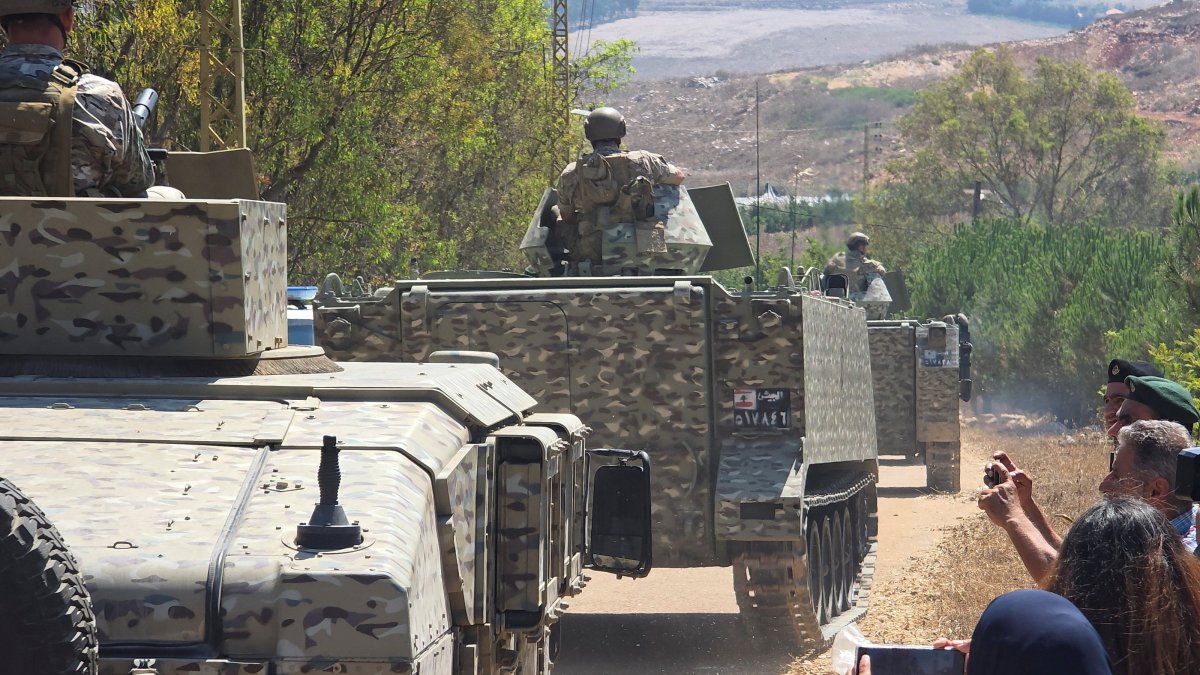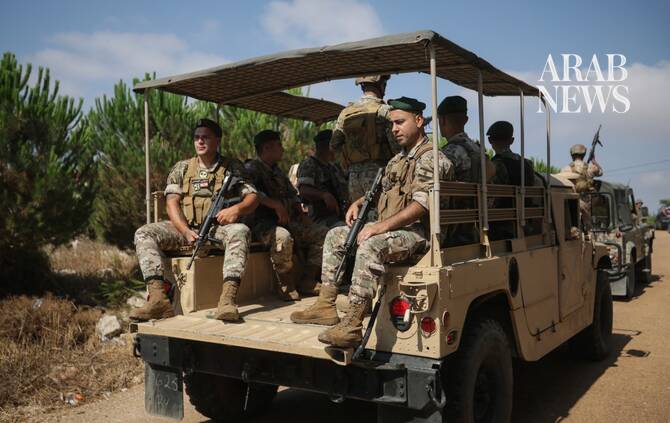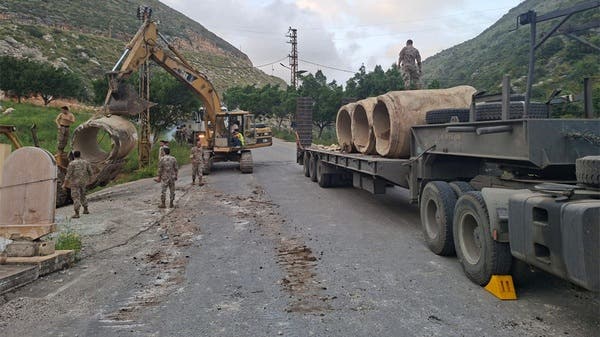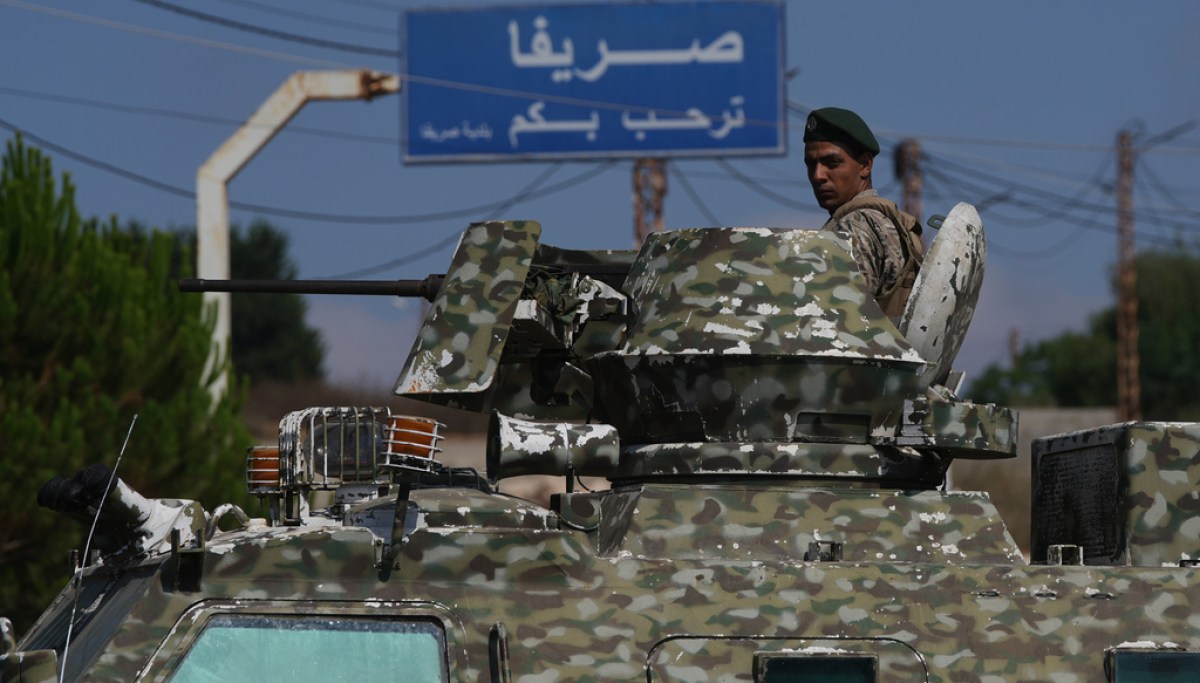
Israel and the Lebanese government carried out their first experiment in the “pilot zone” Hezbollah disarmament program, one the United States hopes will ultimately accomplish its plan of disarming the designated terrorist group using the Lebanese government.The pilot zone program, laid out through several rounds of negotiations between Israel and the Lebanese government and mediated by Washington, will have the Israeli military withdraw from small amounts of Lebanese territory at a time, handing over control to reliable units of the Lebanese Armed Forces. The U.S. State Department, the Israel Defense Forces, and the LAF all confirmed the development in their own statements.Cognizant of domestic Israeli concerns about Lebanon, the U.S. and Israeli statements didn’t even use the term “withdraw,” only saying that “pilot zone operations” were underway.
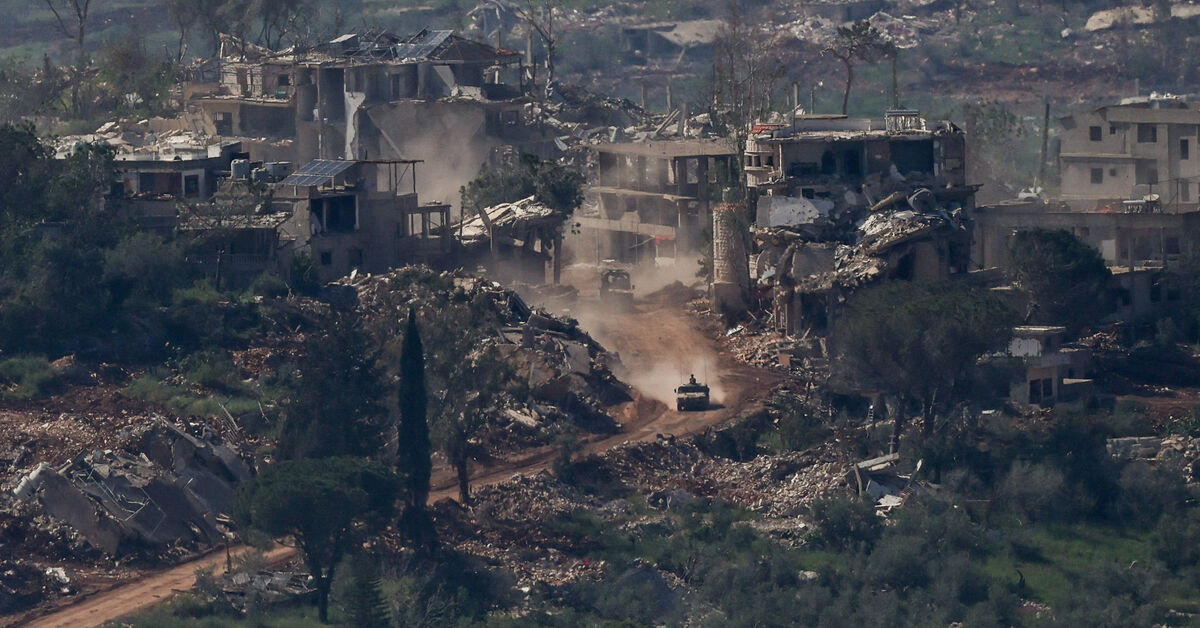
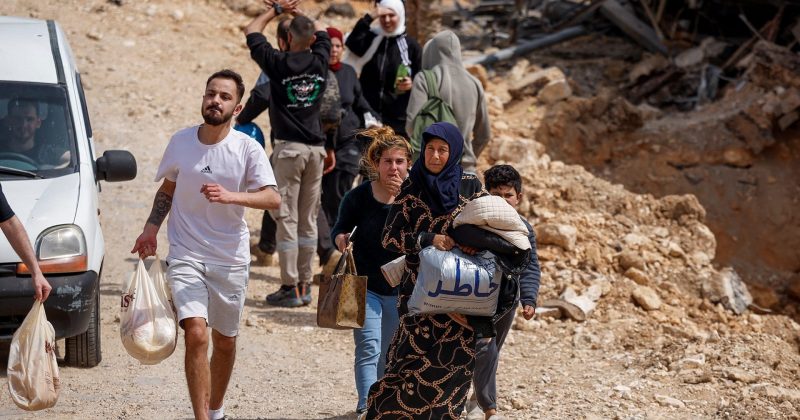
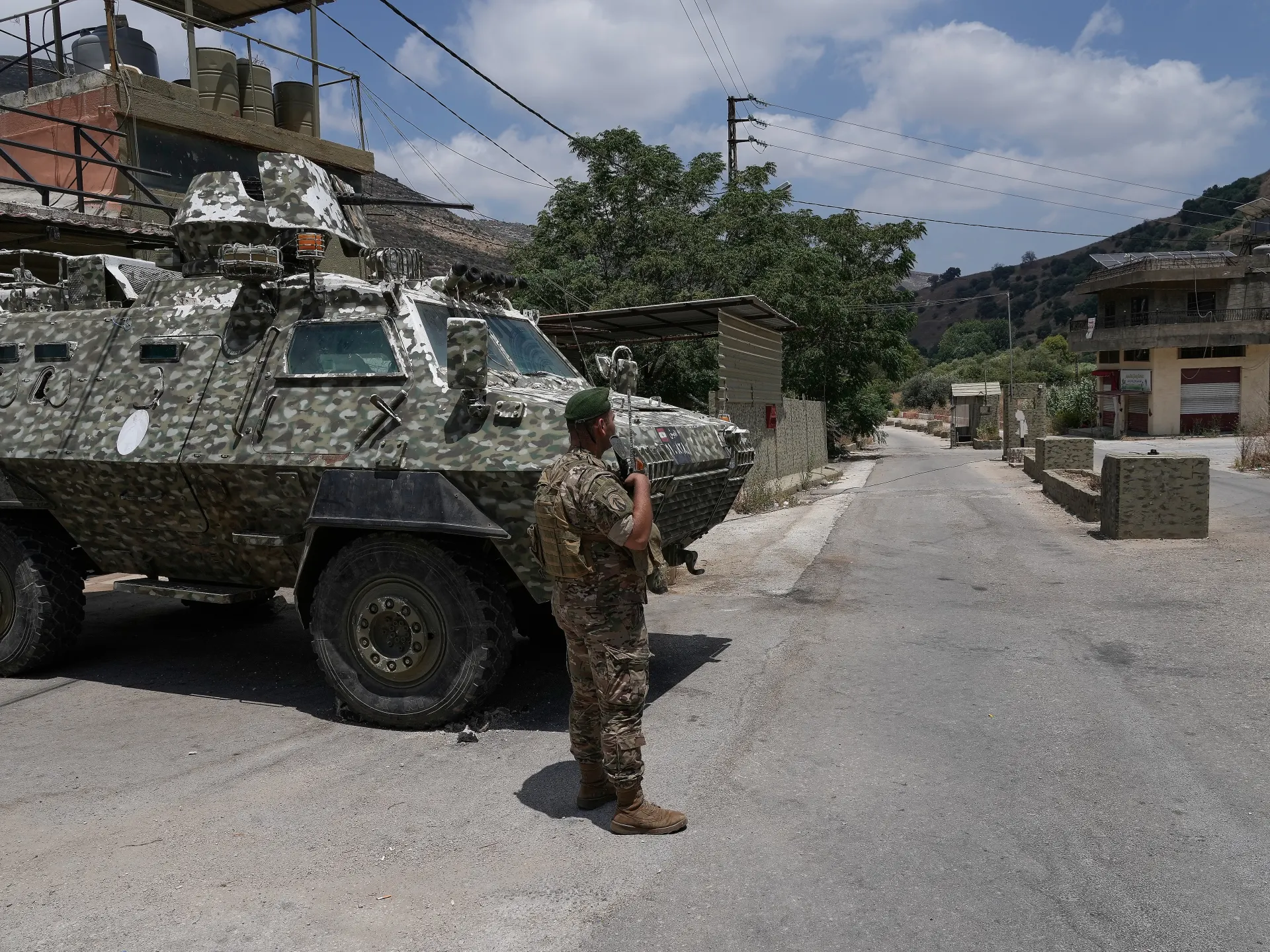
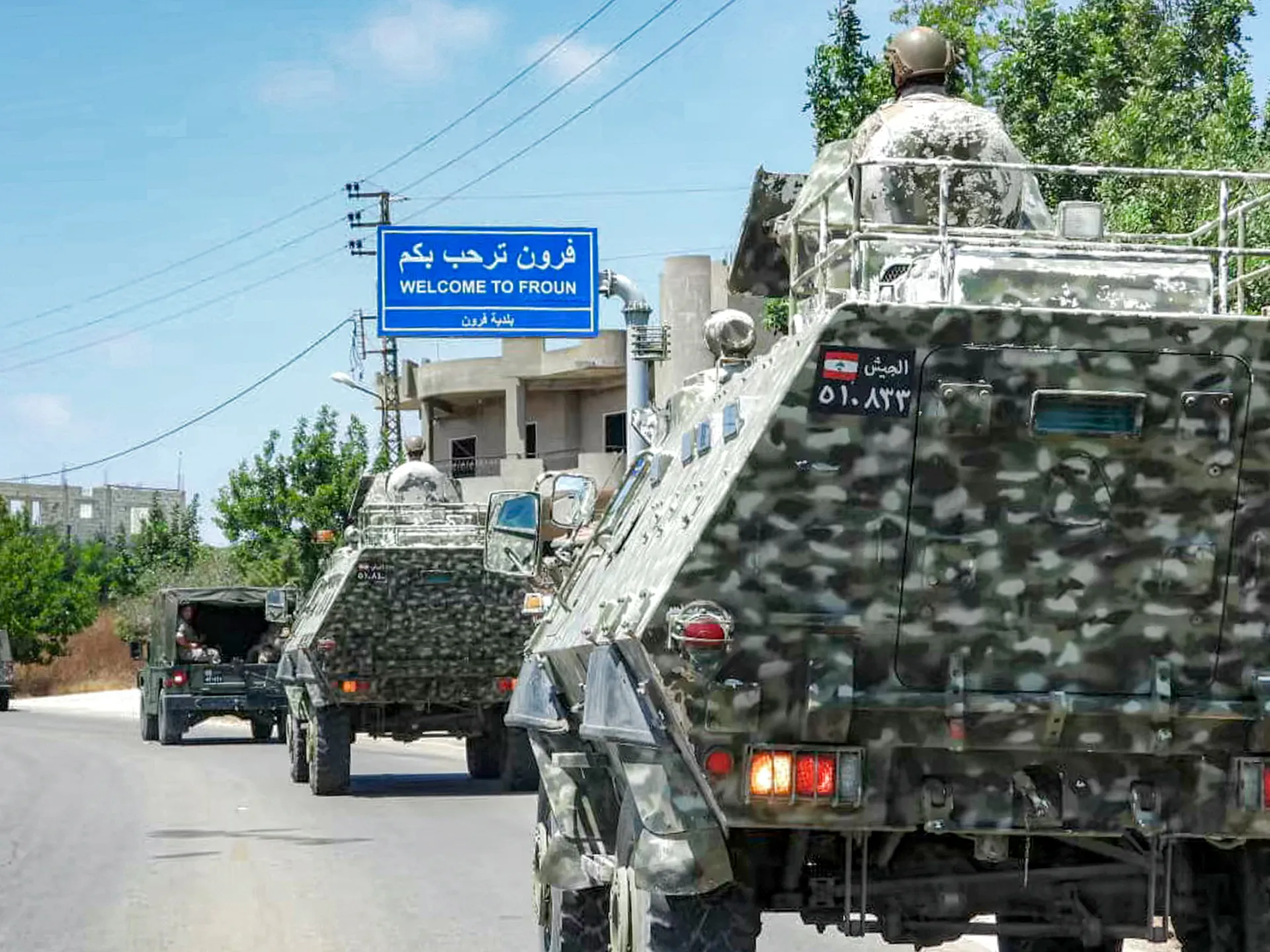
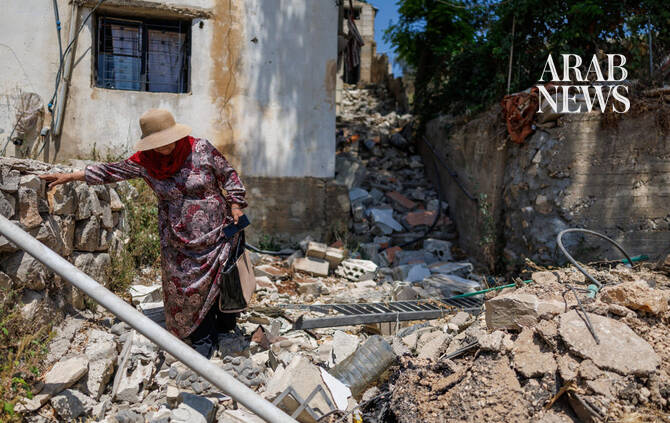
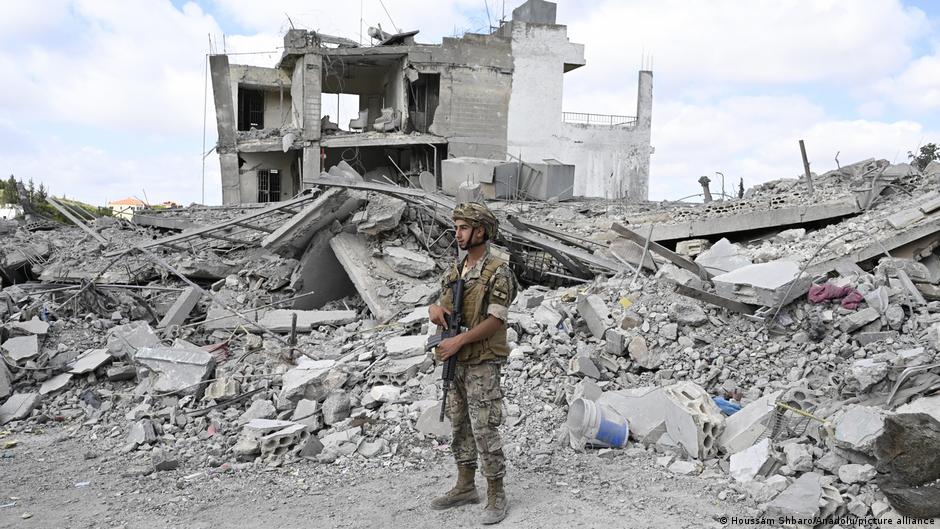
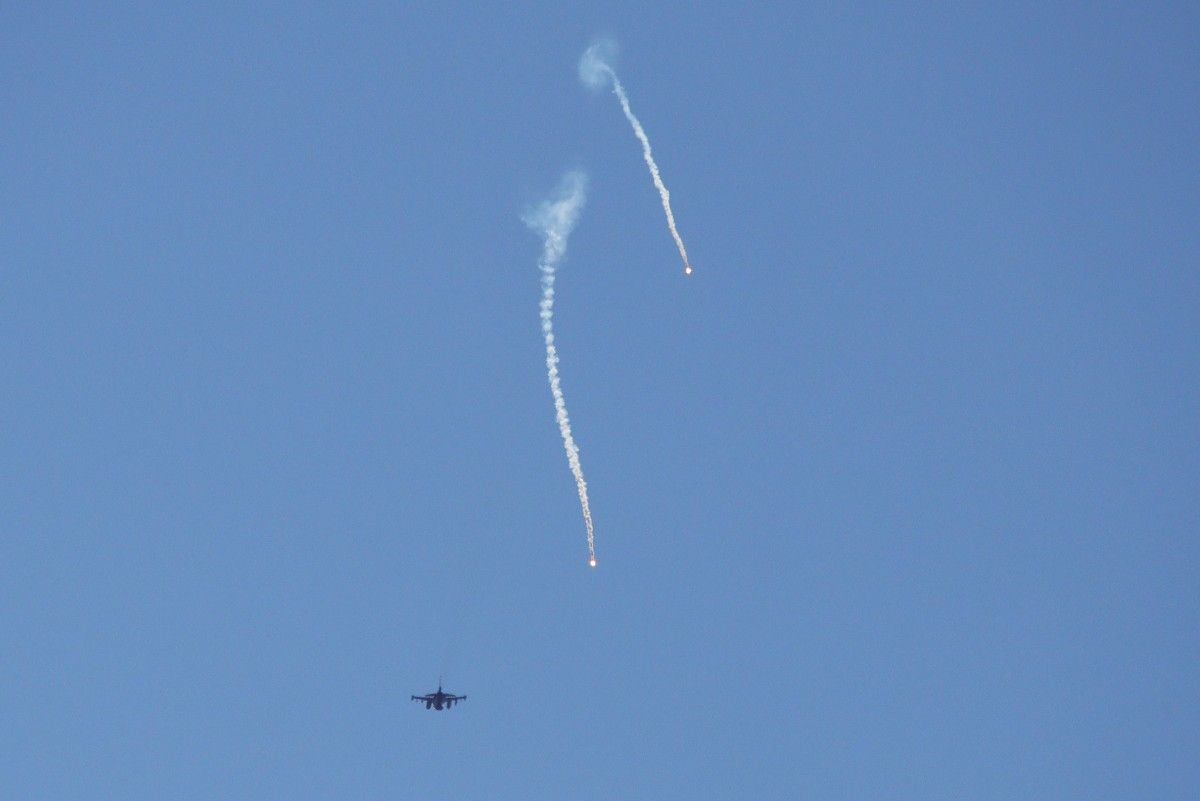
“Today, pilot zone operations began in the villages of Froun, Srifa, and Zawtar Al-Gharbiya in accordance with the Trilateral Framework and under the auspices of the Military Coordination Group for Lebanon. This milestone is a direct outcome of last week’s discussions between Israel and Lebanon in Rome,” State Department spokesman Tommy Piggott said in a press release, adding that the U.S. would continue working closely with both parties to “implement the Framework to a successful conclusion.”“In accordance with the directives from the political echelon, the ‘Safe Zone’ pilot program began today (Monday) in southern Lebanon, in cooperation with the U.S. military (CENTCOM) and the Lebanese Armed Forces,” the statement noted.“As part of the pilot, teams from the IDF, the U.S. military, and the Lebanese Armed Forces are conducting coordination and planning for the continued implementation of the agreement,” it continued, adding that the IDF will respond “forcefully to any violation of the agreement.”The LAF statement was much more direct, saying it initiated deployment “following the withdrawal of the Israeli occupation forces.”In a Tuesday statement, the LAF said the IDF had opened fire in areas near the pilot zones, warning that this could delay the implementation of the program.Abed Ezzeldine, mayor of Zawtar Al-Gharbiya, told the Associated Press that the town was uninhabitable.“Once the army gives us permission to enter Zawtar Al-Gharbiya, we as civilians will go in, but only to check it out and see how things are, and then we will leave,” he said. “We can’t stay because the infrastructure is completely damaged, and houses have been leveled. They (the Israelis) have bulldozed the roads.”Photos released by the LAF showed that the town of Zawtar Al-Gharbiya had largely been reduced to rubble. The town remains deserted, and the LAF told residents not to return until it issues the all-clear.The pilot zone program is expected to be at the center stage of Lebanese President Joseph Aoun’s visit to the White House on Tuesday.While the pilot zone program marks a notable breakthrough in negotiations between Israel and Lebanon, the issue of disarming Hezbollah has a long way to go. Many analysts doubt whether the U.S.’s preference for the Lebanese government itself to disarm the group is a realistic prospect at all.“Left to its present devices, the Lebanese army remains incapable of disarming even the weakened and emasculated Hezbollah we now have after all the blows it has endured,” Habib Malik, son of the diplomat Charles Malik and retired associate professor at the Lebanese American University, told the Washington Examiner.The only way this could change, he argued, was a substantial investment and overhaul by the U.S.“The abilities of the LAF depend largely on how serious and operationally effective any rearming and training and beefing up by the U.S. of the LAF capabilities,” Malik said. “My sense is that there is a serious resolve on the part of Washington to move in this direction of equipping LAF with what will be needed for the task. How quickly can this happen is one of the unknowns — unknown at least to me.”The Washington Examiner reached out to the State Department for comment.Lingering scars of a civil war