Published June 4th, 2026 - 02:51 GMT
Highlights
Hezbollah has rejected the Washington agreement, calling it an attempt to impose external constraints on Lebanon’s sovereignty, even as Lebanese and international actors continue pushing forward with implementation.
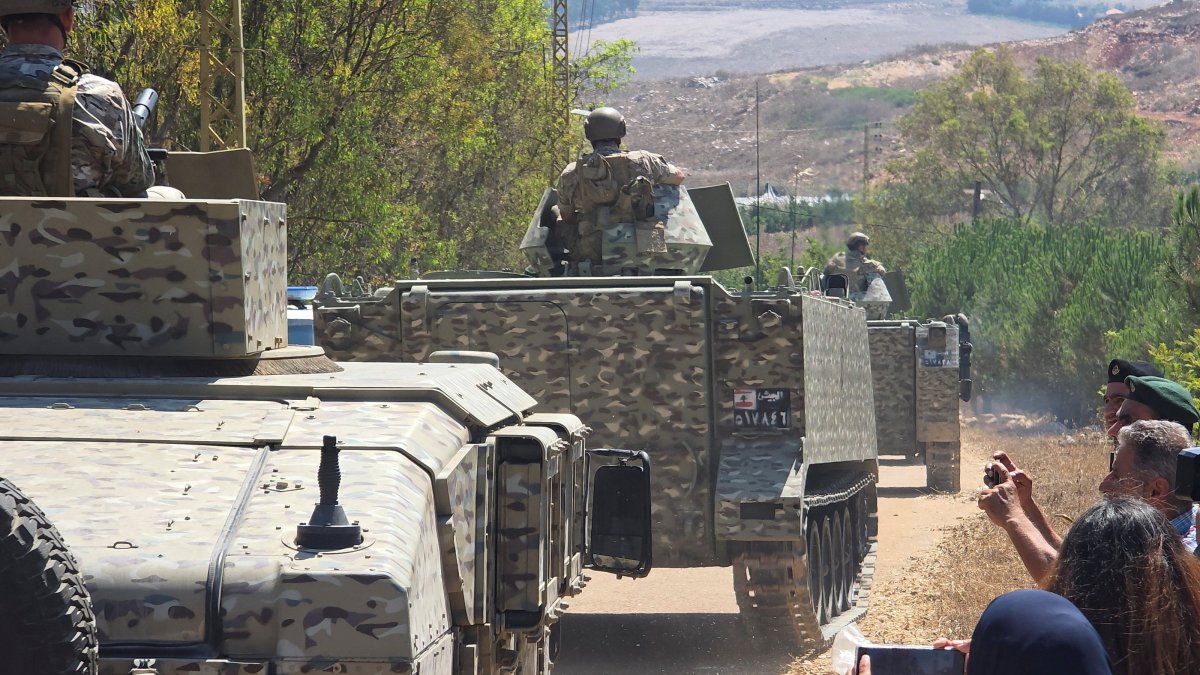
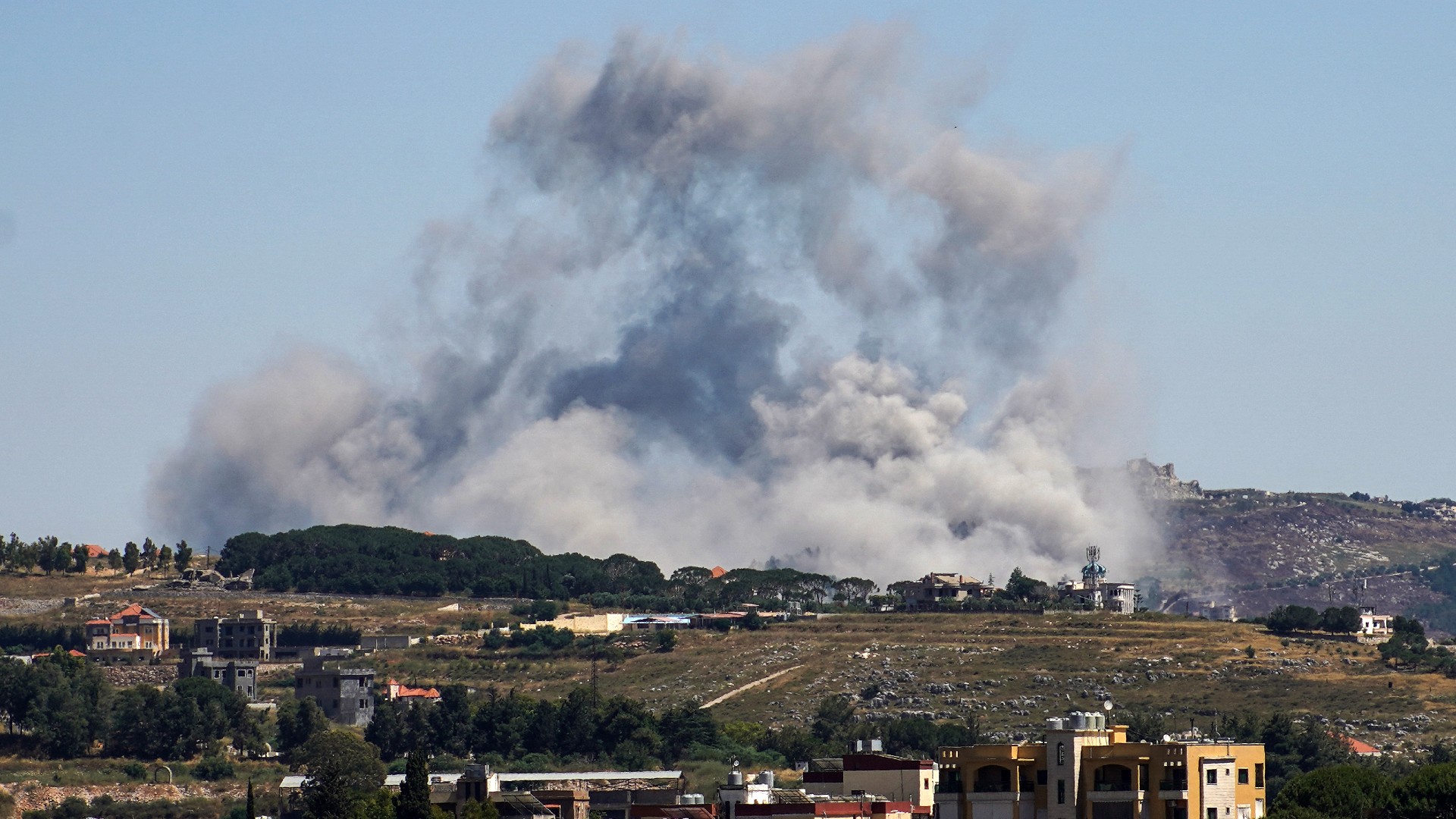
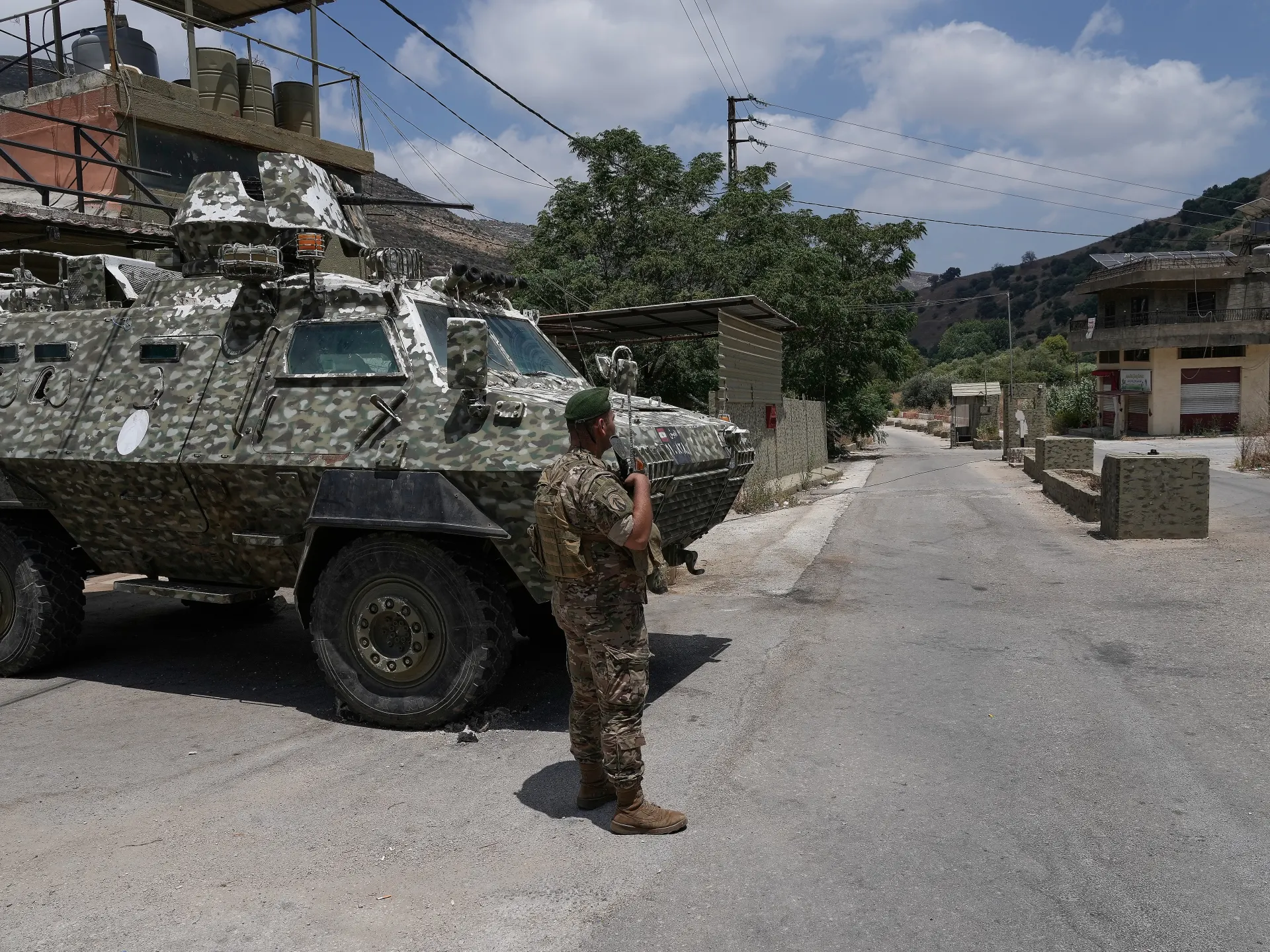
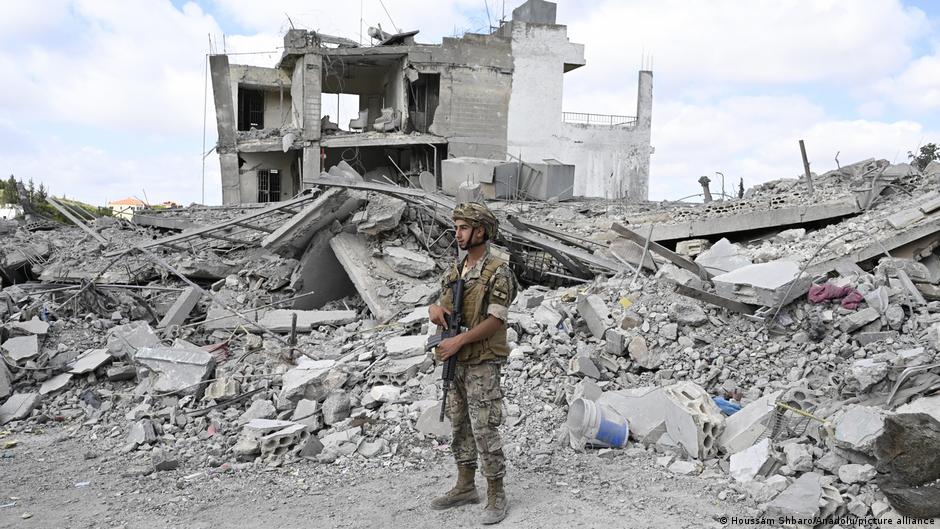
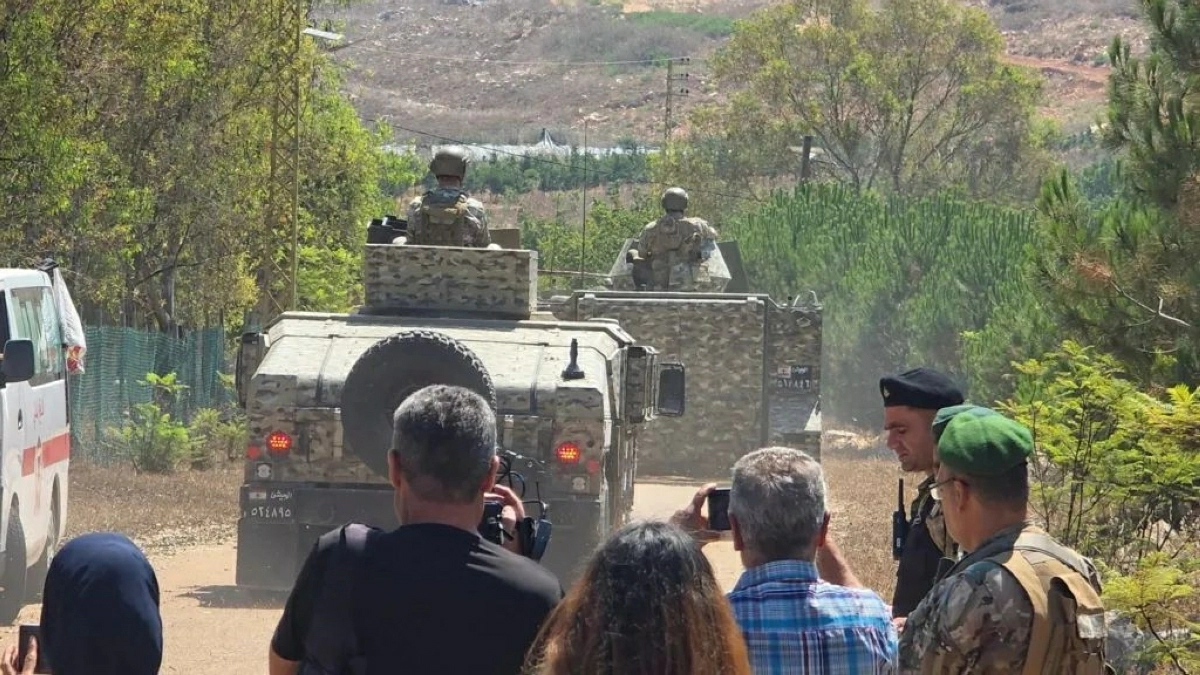
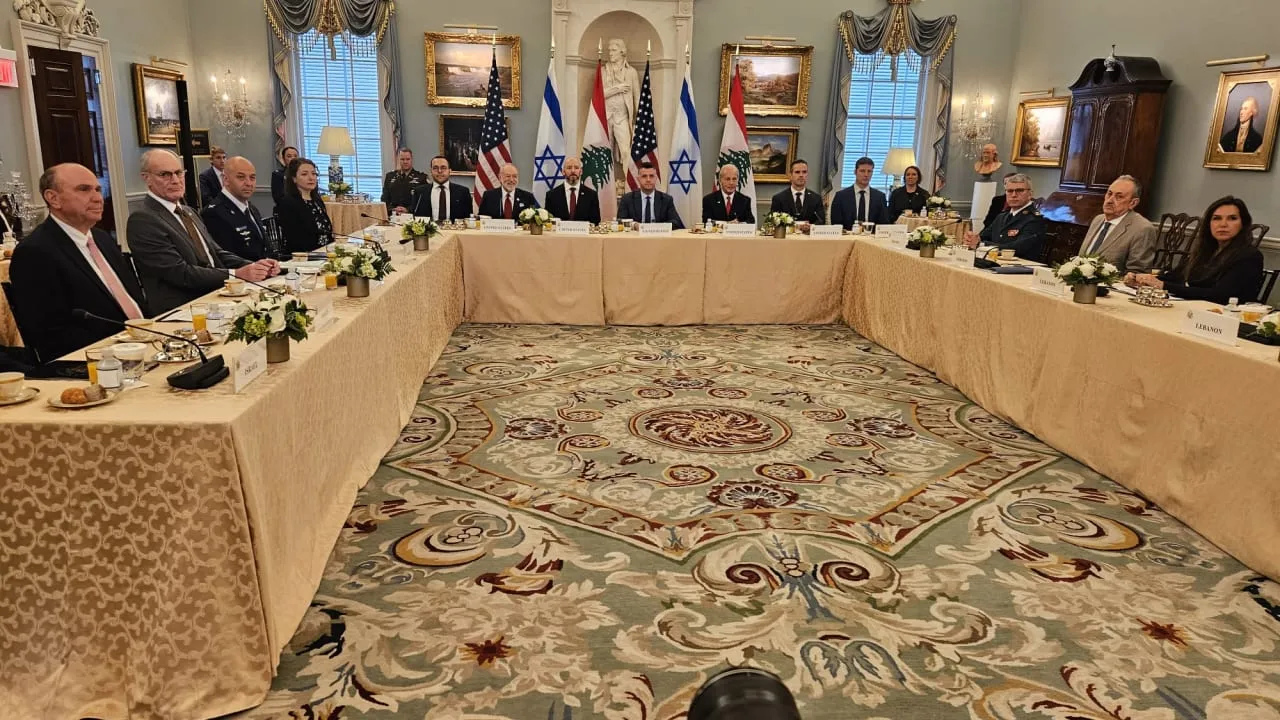
ALBAWABA- Lebanon has begun deploying its army into newly designated “pilot zones” in the south under a U.S.-brokered ceasefire agreement with Israel, even as fresh violence and mounting regional tensions threaten to undermine the fragile deal.Lebanese Prime Minister Nawaf Salam said the Lebanese Armed Forces will immediately move into the zones as part of the first phase of an agreement reached in Washington. The plan is intended to establish full state military control in key southern areas and bar any presence by non-state armed groups, including Hezbollah, which must withdraw from the South Litani region under the terms of the truce.The arrangement, mediated in Washington, is tied to a broader ceasefire framework that envisions a phased de-escalation along the Lebanon-Israel border. Lebanese officials have described the deployment as an initial but concrete step toward stabilizing the frontier and advancing discussions on a wider settlement.However, the agreement faced an immediate shock after a peacekeeper with the UNIFIL was killed when mortar fire struck a UN position near Marjayoun in southeastern Lebanon. Two additional peacekeepers were wounded in the incident, which raised urgent concerns about the durability of the ceasefire.BREAKING: Lebanese PM Nawaf Salam says the army will begin deploying in “pilot zones” in the south as a first phase after the Washington ceasefire deal with Israel, calling it a step toward a full Israeli withdrawal.🔴 More on https://t.co/5H0QqpfIYw pic.twitter.com/UxzvJniumM— Al Jazeera Breaking News (@AJENews) June 4, 2026 Lebanese President Joseph Aoun condemned the attack and called for full adherence to international humanitarian law, warning against actions that could further escalate tensions or complicate Israeli withdrawal discussions.Behind the scenes, the diplomatic track is also under strain. U.S. President Donald Trump has reportedly pressed Israel to limit its military operations in Lebanon. At the same time, Israeli Prime Minister Benjamin Netanyahu faces pressure from domestic hardliners urging a more expansive security posture, including demands for longer-term demilitarization.Iran has issued a sharp warning that further Israeli incursions toward Beirut or attacks on Lebanese state institutions could trigger wider regional escalation.Hezbollah has rejected the Washington agreement, calling it an attempt to impose external constraints on Lebanon’s sovereignty, even as Lebanese and international actors continue pushing forward with implementation. Further negotiations are expected to resume in Washington on June 22, aimed at consolidating the pilot zones into a more durable ceasefire framework.