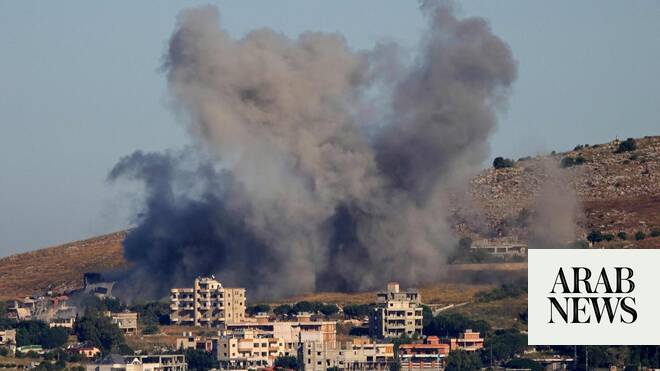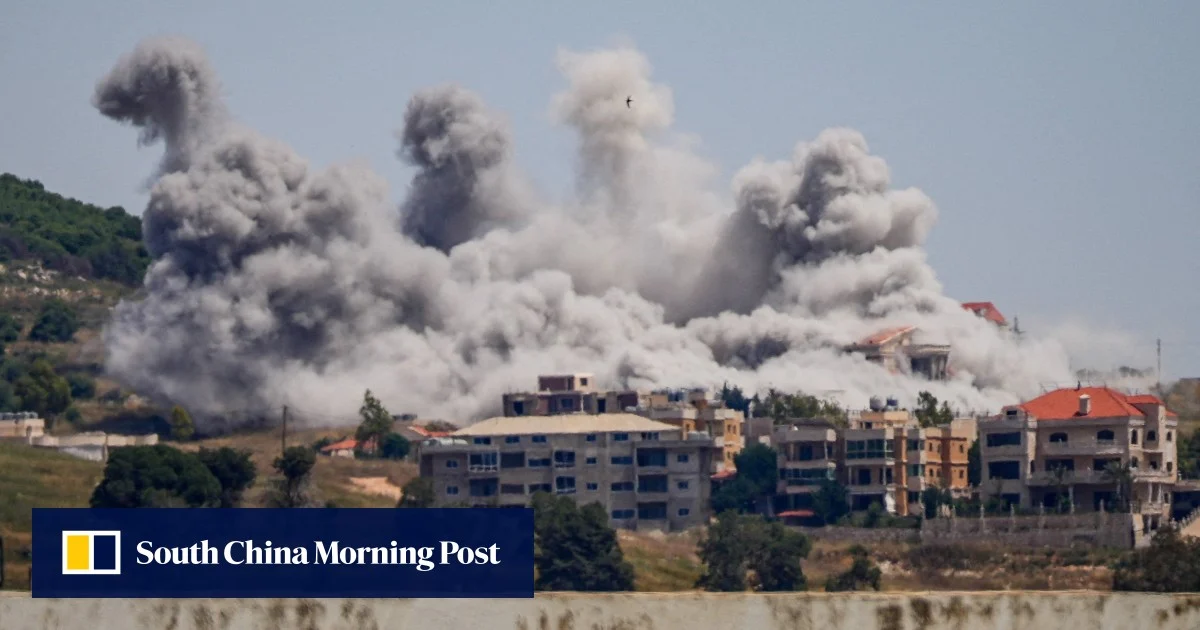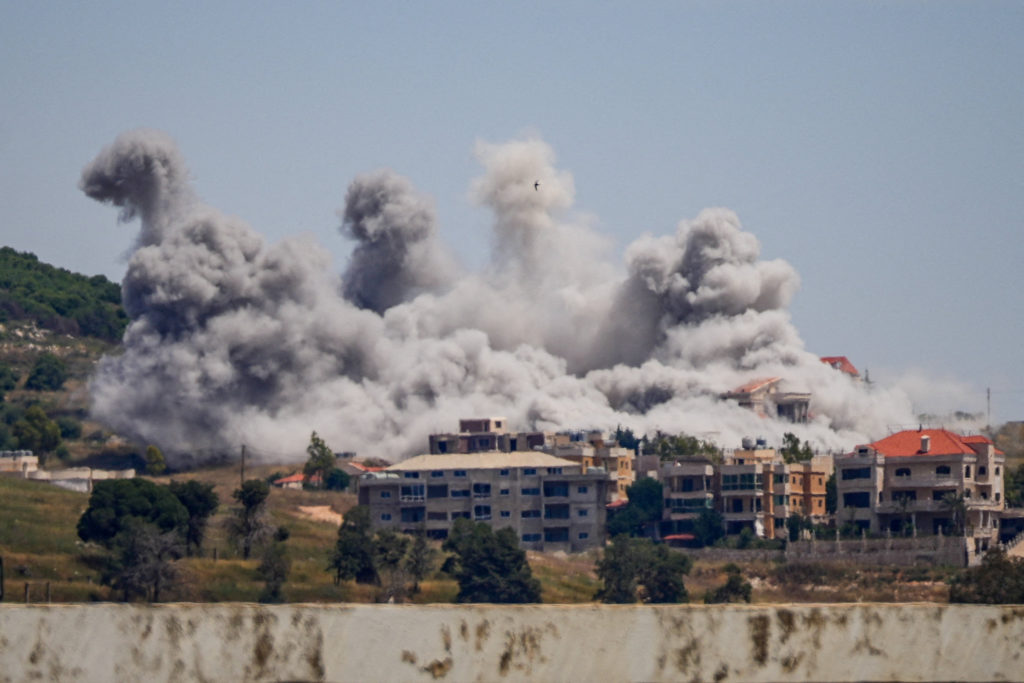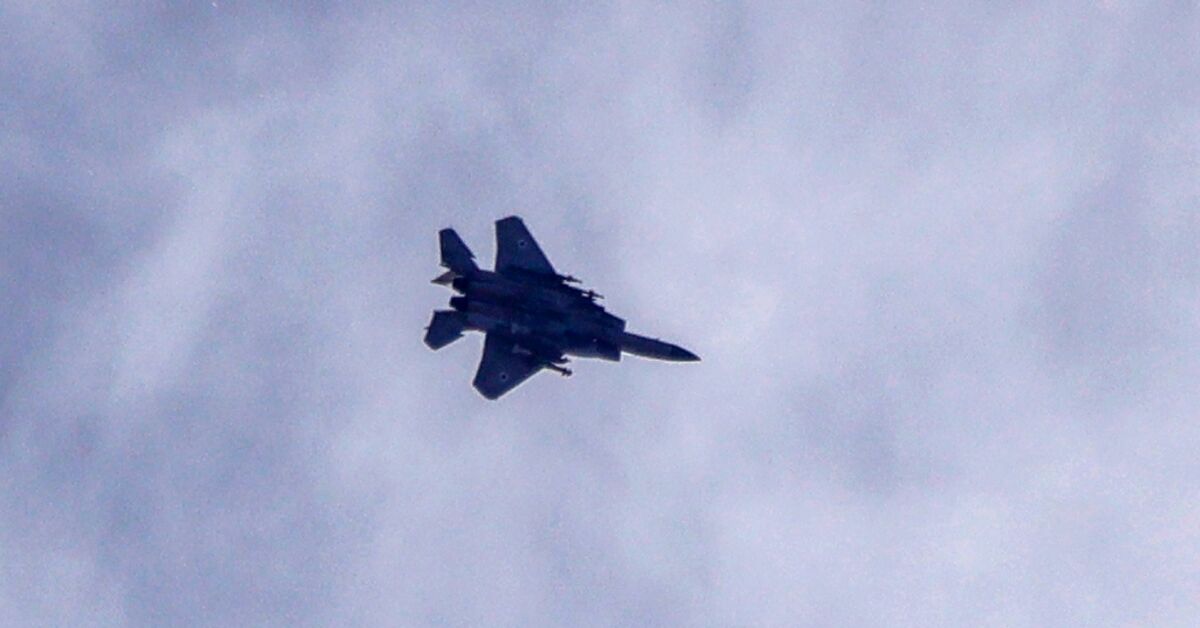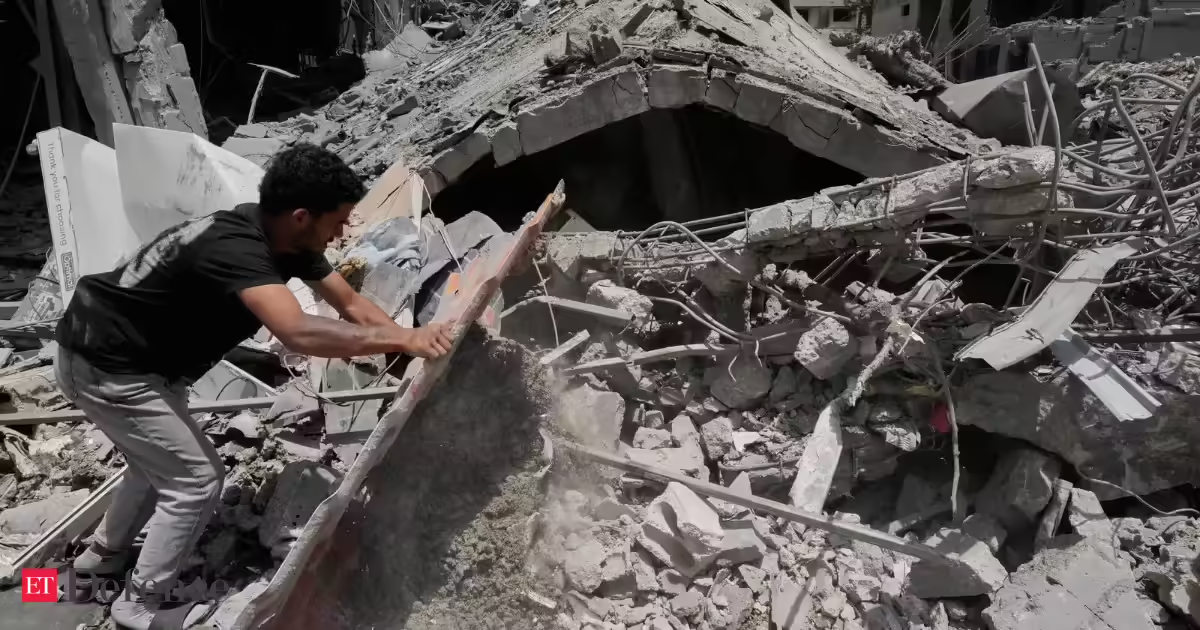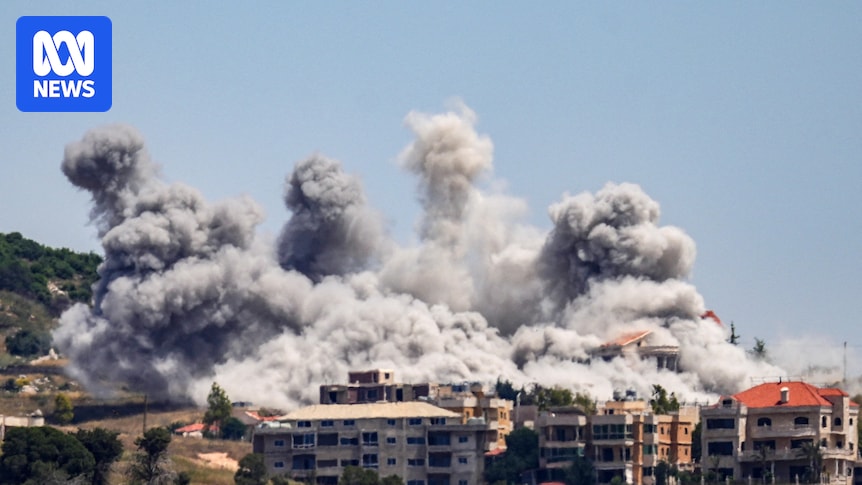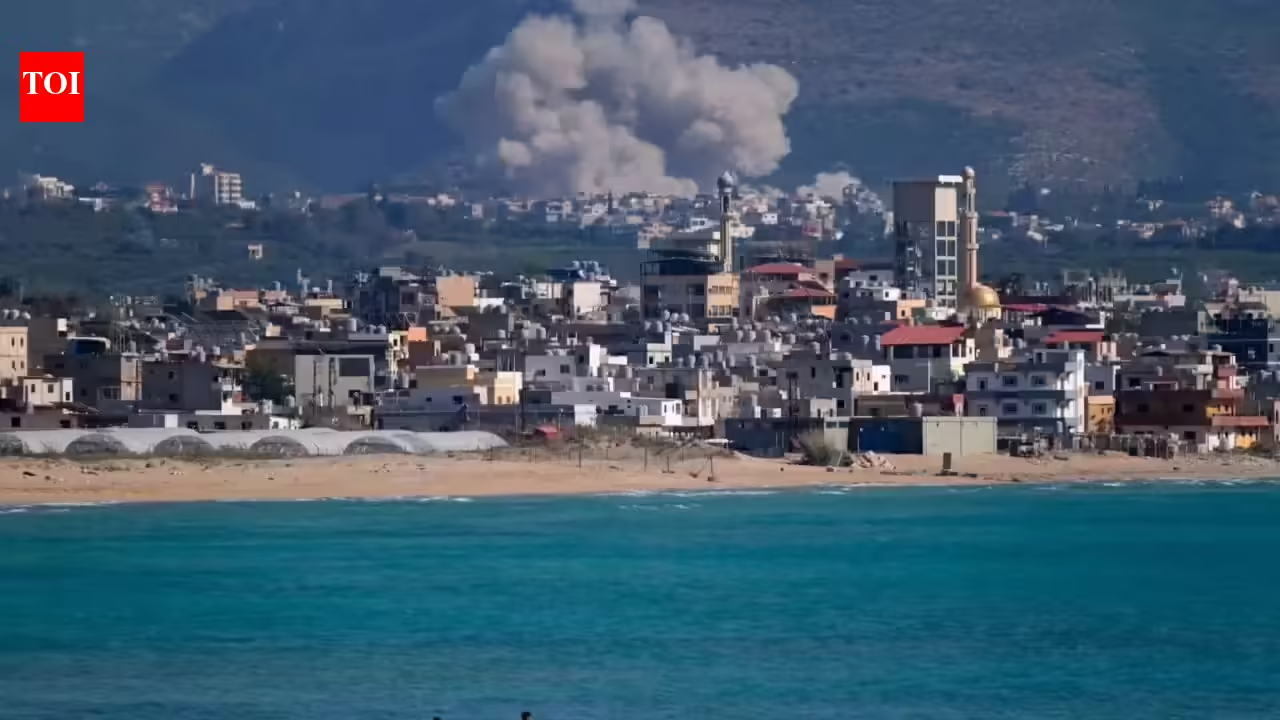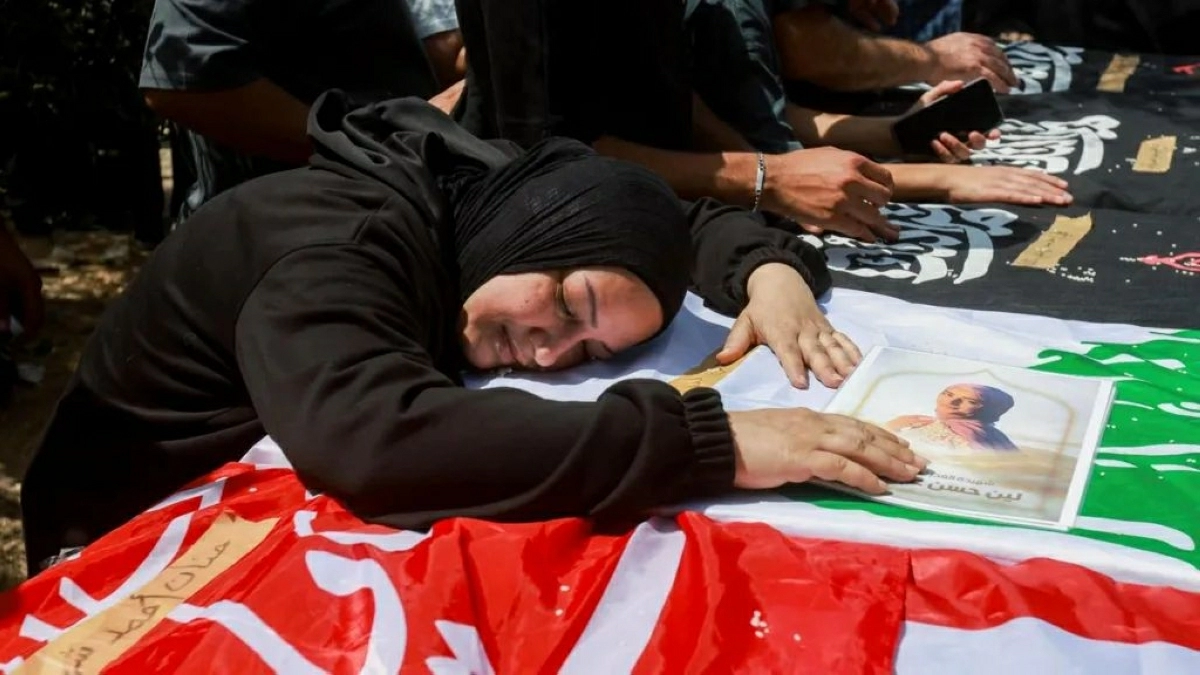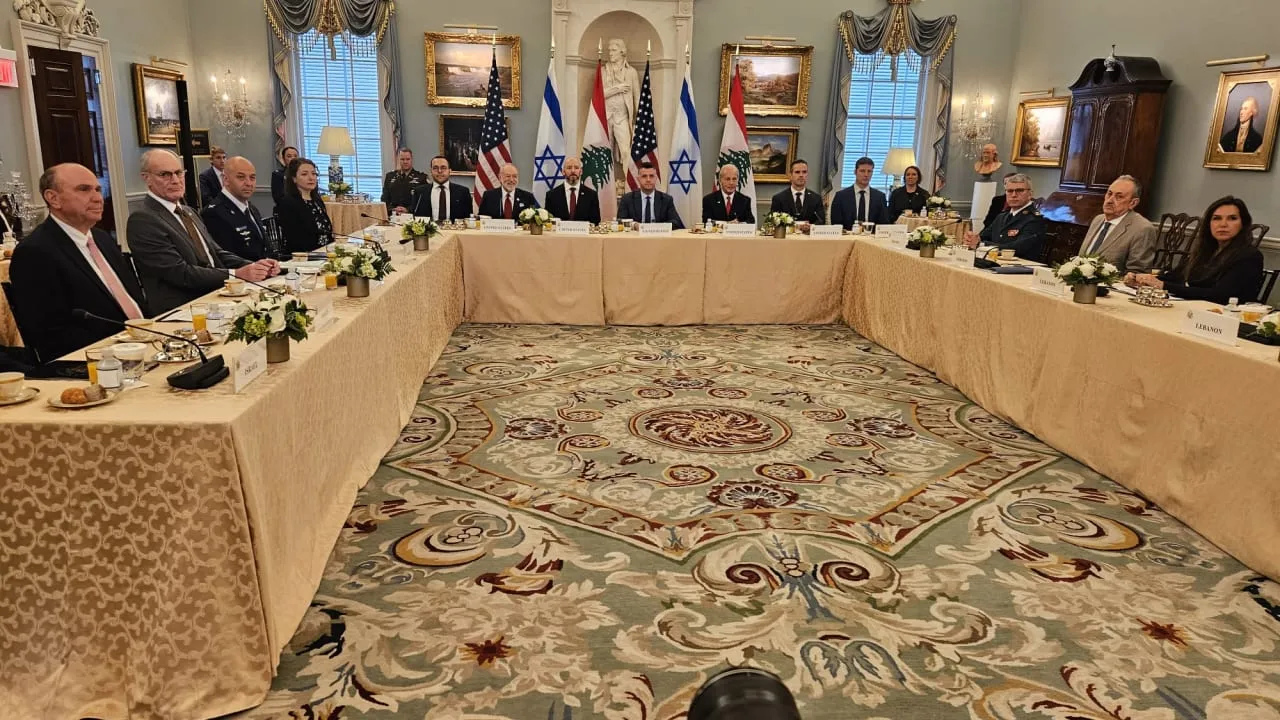
BySETH J. FRANTZMANJUNE 4, 2026 09:12Israel and Lebanon appear headed toward a complex ceasefire after a new round of talks in the US. The latest agreement is supposed to be “contingent on a complete cessation of Hezbollah fire and the evacuation of all Hezbollah operatives,” according to a joint statement reported by Arab News in Saudi Arabia.The key parts of the deal are the ceasefire, the creation of “pilot zones” for the Lebanese army to take control, and also movement toward a comprehensive deal.This is the fourth round of US-backed talks between Israel and Lebanon. In some ways, this is unprecedented because of all these long meetings between Israeli and Lebanese officials.The US push for this has made it possible. US officials are focused on making this work. US President Donald Trump has personally sought to de-escalate fighting in Lebanon, pressuring Israel not to strike in southern Beirut.How did we get here? Israel’s increased strikes on Hezbollah between September and November 2024 led to a ceasefire deal. Then the Assad regime fell in December, depriving Hezbollah of a key ally.Israeli security forces at the scene where a house was hit by an explosive drone launched by Hezbollah from Lebanon in Metula near the Israeli-Lebanese border, May 25, 2026. (credit: AYAL MARGOLIN/FLASH90)The rise of a new president, Joseph Aoun, and a new prime minister in Lebanon led to a drive to disarm “armed groups” in Lebanon. The government wanted to deal with Hezbollah but has been wary of doing so. The Lebanese Army has not been willing to confront the group. Instead, Beirut disarmed a few Palestinian refugee camps.New deal: pilot security zones; end to strikesLebanon’s failure to abide by the demands of the ceasefire led to more fighting in March 2026 after the Iran war began. This led to another ceasefire in April, but fighting continued. Israel has begun what some see as a phased approach of limited ground offensives in Lebanon over the years.This has led to the razing of villages in southern Lebanon, similar to how Israel razed parts of Gaza. This is supposed to punish Hezbollah, but so far, it is unclear if it has worked.The goal of the new agreement is to prod Lebanon into doing more about Hezbollah. The agreement discusses the need to prevent “any state or non-state actor” from holding Lebanon’s future hostage. This refers to Iran and Hezbollah without naming them. The lack of naming the problem has always been an issue in these previous ceasefires. If you don’t name Hezbollah, how do you get rid of it?One innovation of the new deal is the concept of “pilot security zones” in Lebanon. The concept is to create areas where Hezbollah is absent. At the same time, the new deal is supposed to end Hezbollah attacks and get it to withdraw north of the Litani. It was supposed to do this since the 1980s. This was a key element of the 2006 deal to end the war that year. However, Hezbollah didn’t leave, and the UN force called UNIFIL didn’t prevent Hezbollah from building up its power.It’s not clear if Israel will withdraw from some of the areas it has taken in Lebanon, such as the Beaufort castle.“The two sides agreed, with the guidance of the United States, to swiftly advance the creation of pilot zones in which the Lebanese Armed Forces will take exclusive control of the territory to the exclusion of all non-state actors,” the statement in Washington said, according to Arab News.In theory, the four rounds of talks and this deal are supposed to lead to a comprehensive peace and security agreement. In theory, this is supposed to give Lebanon the support to also end Iran’s meddling in the country.For instance, Iran’s ambassador has refused to leave Lebanon. Iran has sought to tie the Lebanon ceasefire to a new deal with the US.It’s not clear yet if the deal will end Hezbollah’s attacks on Israel and also Israeli strikes on the group.Trump had pressed for Israel not to strike Beirut and also had pressed Hezbollah to end attacks inside Israel. It’s possible the new deal leads to low-level clashes in southern Lebanon, but larger attacks will end. Currently, there are tensions in Tyre, where Israel has threatened more strikes and where the Lebanese Armed Forces have deployed. Hiba Nasr, Washington Bureau Chief of Asharq News, posted key parts of the agreement. It’s worth reiterating them.First, there is the implementation of the ceasefire. “The ceasefire is contingent on a complete cessation of Hizbollah fire and the evacuation of all Hizbollah operatives from the South Litani Sector.”Second is the creation of the “pilot zones in which the Lebanese Armed Forces will take exclusive control of the territory to the exclusion of all non-state actors.” Third comes the move toward a “comprehensive peace and security agreement.”Lebanon's era as a hostage state must endLastly, is the mention of rejecting any other “state or non-state actor, to hold Lebanon’s future hostage.”There is supposed to be a security framework, which references earlier discussions at the Pentagon on May 29. “This includes the dismantlement of non-state armed groups, and the prevention of their re-emergence.” It does not mention Hezbollah specifically. The US will continue to support the Lebanese Armed Forces (LAF), “with the aim of improving their capacity and enabling the effective exercise of sovereignty throughout Lebanese territory.”US Secretary of State Marco Rubio discussed earlier this year the possibility of the US supporting a vetted LAF unit that might receive training or support from the US.The deal also says that “Lebanon committed to enhancing the capacity of the Lebanese Armed Forces, with U.S. support, to assert effective control throughout the country."Follow us on Google
US brokers Israel-Lebanon ceasefire and military 'pilot zones' plan | The Jerusalem Post
The key parts of the deal are the ceasefire, the creation of “pilot zones” for the Lebanese army to take control, and also movement toward a comprehensive deal.
947 words~4 min read