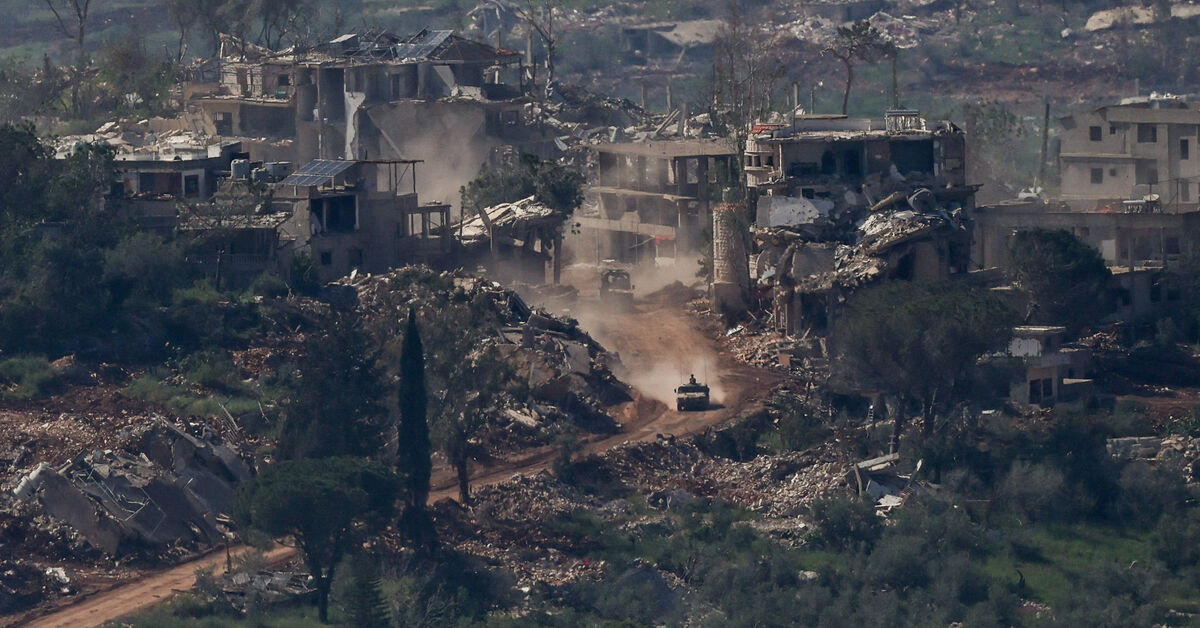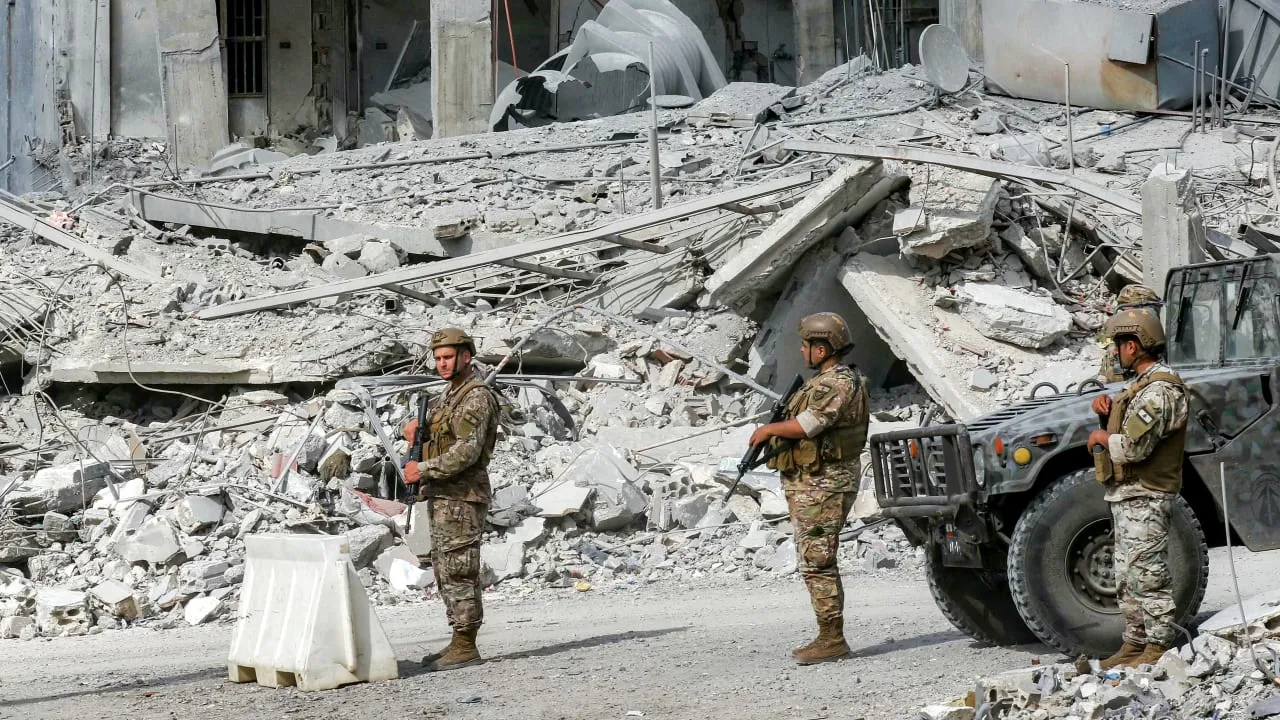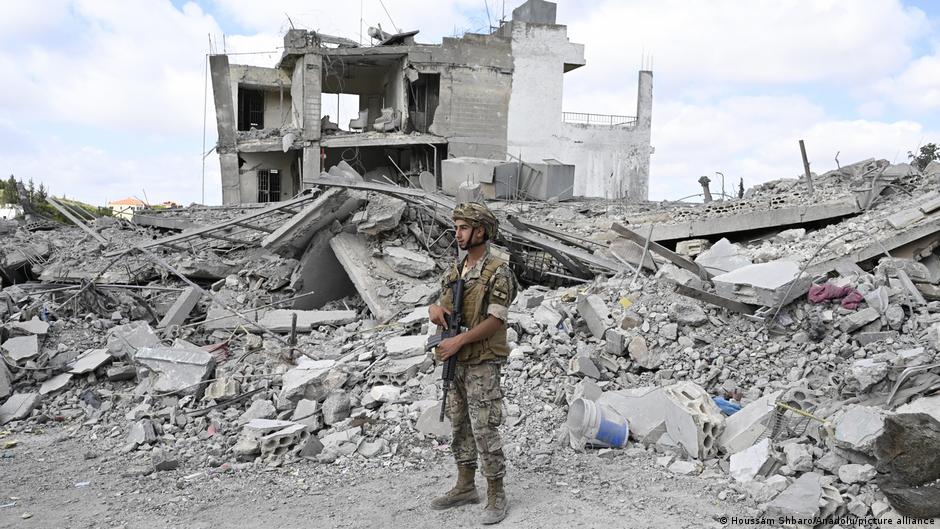
It has been just over a week since the so-called "pilot zone" plan was launched in Lebanon and the gap between the plan's ambitions and the reality on the ground remains stark.
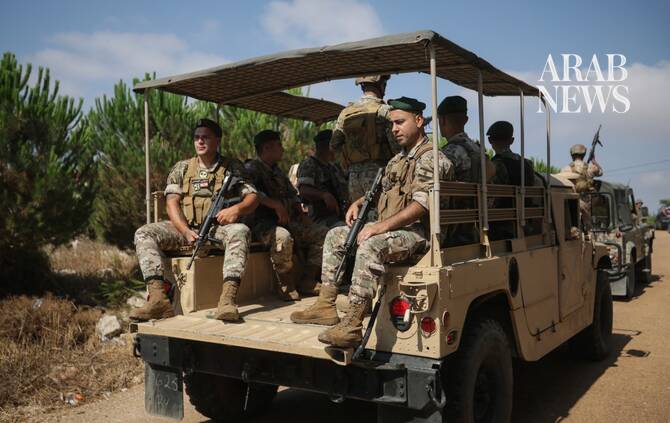
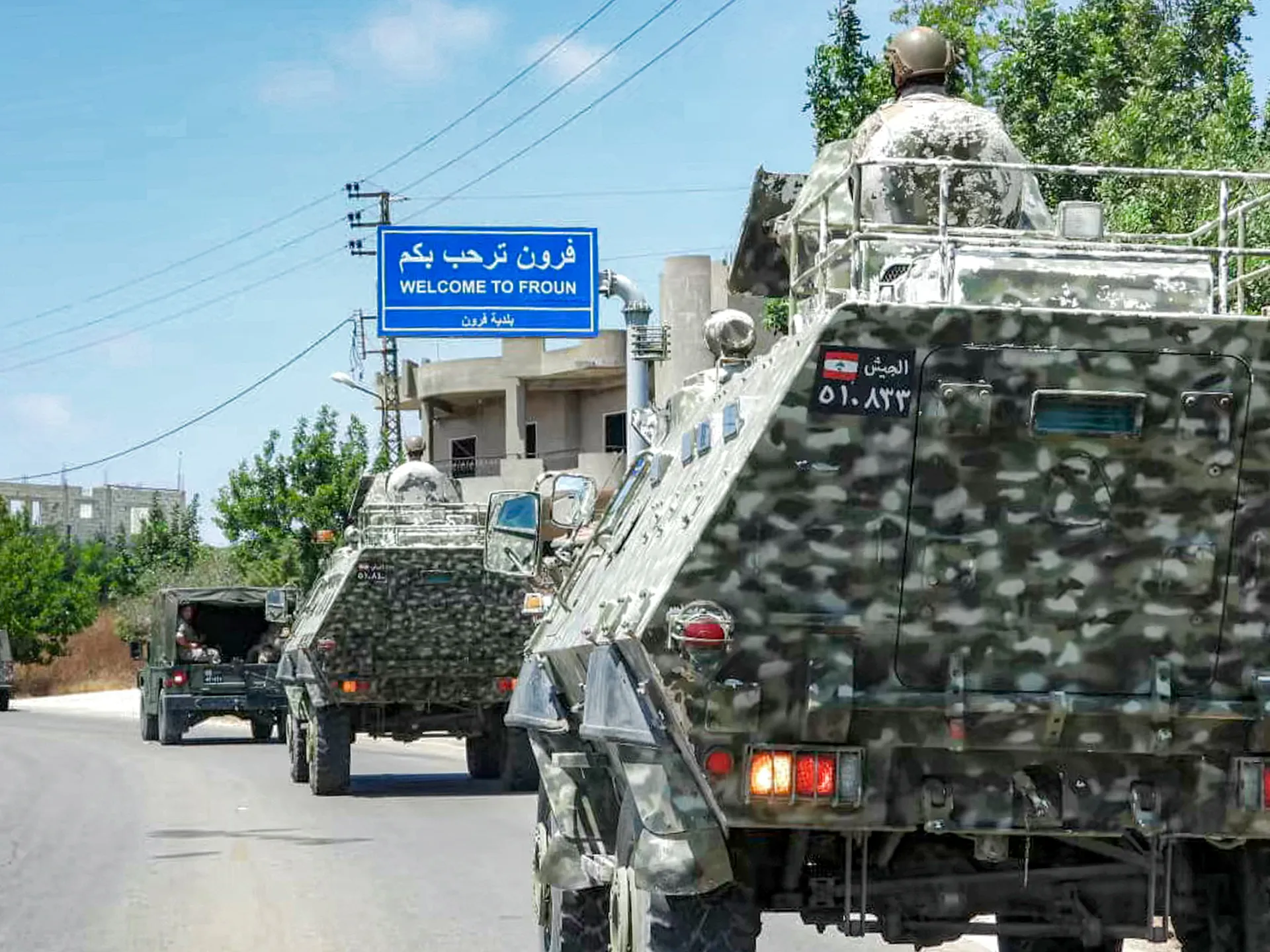
According to the June 26 agreement between Lebanon, the US and Israel, the pilot zone plan is meant to see the Israeli military gradually redeploying out of parts of southern Lebanon it currently controls, which then allows the Lebanese army, or LAF, to move in.
After the armed wing of Lebanon's Hezbollah group fired rockets at Israel in March this year, Israel invaded Lebanon and now occupies a large swathe of the country’s south. The pilot zones are meant to end that. Once the LAF controls the zone, then Hezbollah can supposedly no longer operate from there. And once one zone has been secured, then the next will be actioned.
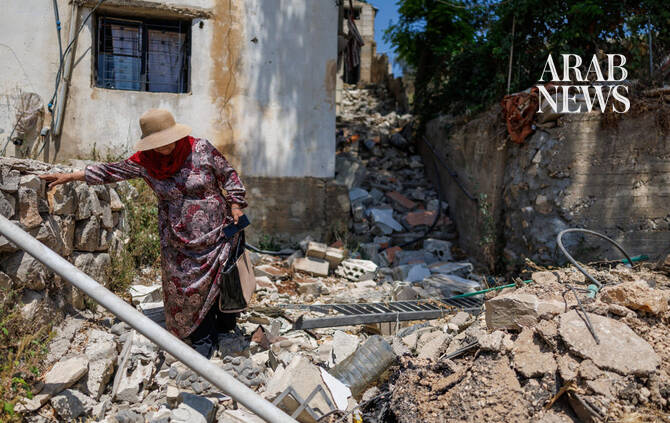
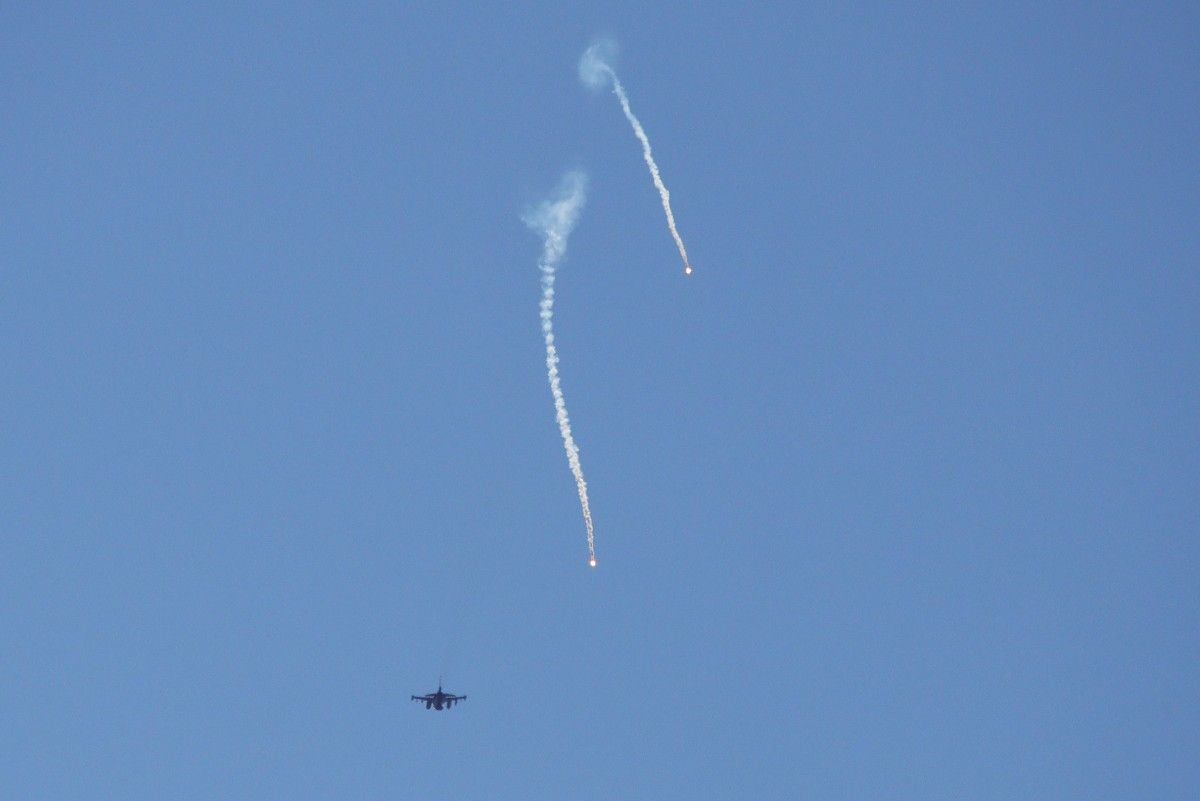
However there have been a number of troubling incidents already. The Israeli army shot at the vicinity of Lebanese soldiers as they approached one area last week and Israeli demolitions of homes and buildings in Lebanon continue, as do attacks with drones and bombs elsewhere in southern Lebanon.
The Israeli army's behavior jeopardizes the agreement from which the pilot zone plan originates, Lebanese President Joseph Aoun told the UN's human rights chief Volker Türk this week, when the latter visited Lebanon.