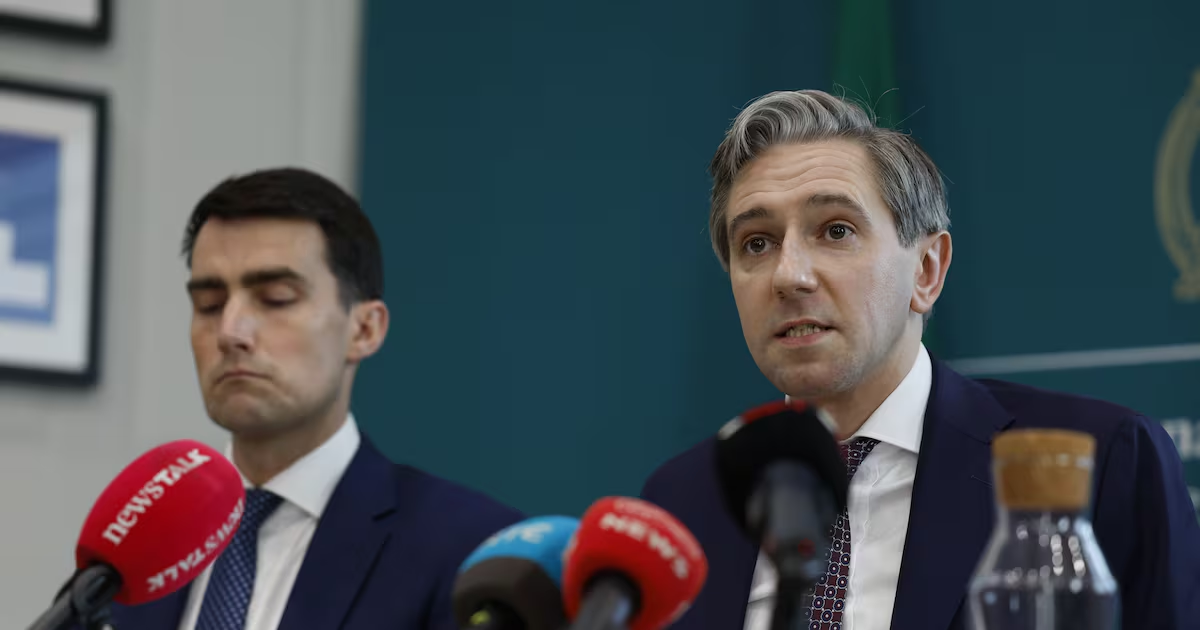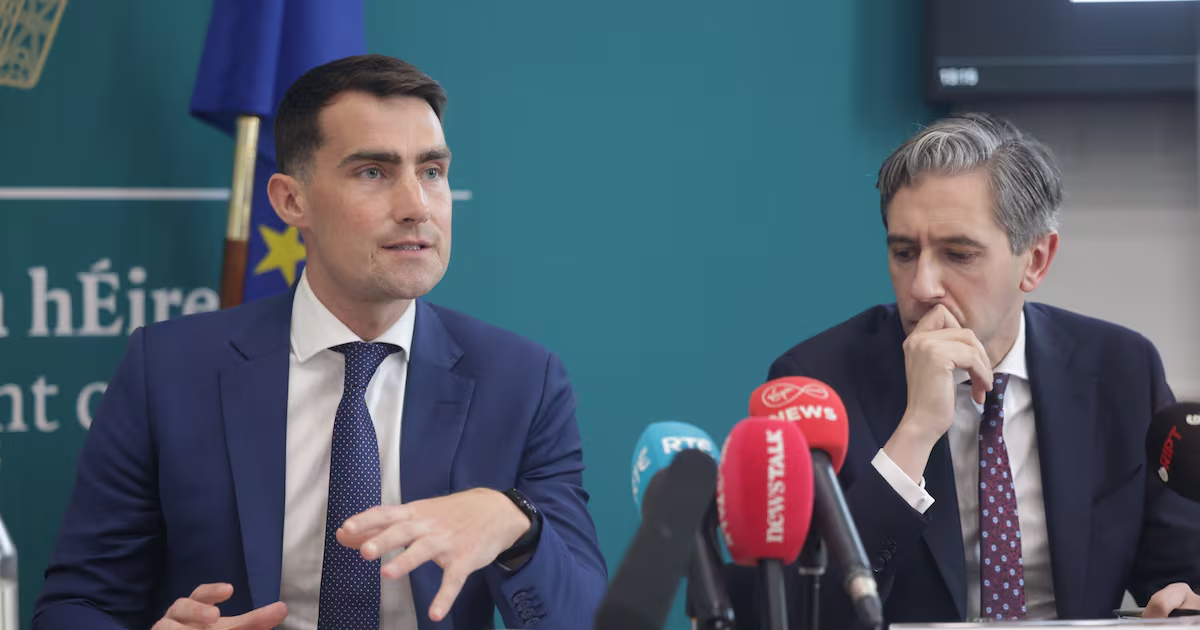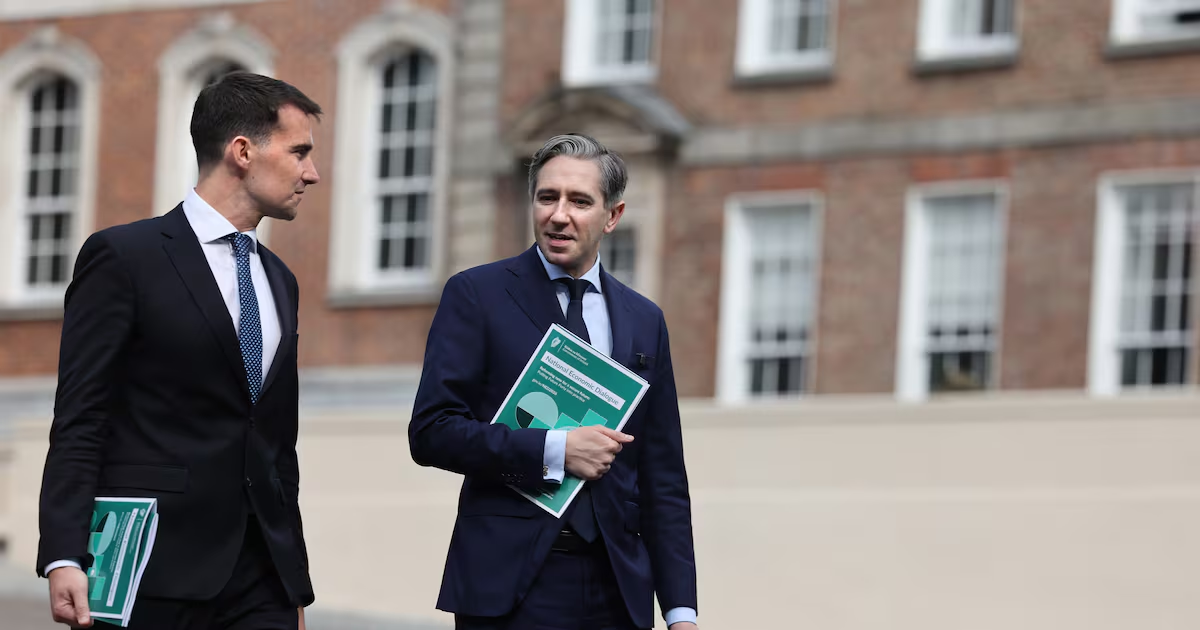
Tough negotiations in the autumn on Government spending plans for next year will be indicated by pre-budget figures to be published on Wednesday. Tight control on expenditure will also be needed next year to stay within the figures, and likely further overruns this year will make this more difficult.The plans – to be announced at lunchtime by Minister for Finance Simon Harris and Minister for Public Expenditure Jack Chambers after Wednesday morning’s Cabinet meeting – will adhere to the expenditure limits laid out in last year’s medium-term fiscal plan to keep expenditure increases to 6 per cent a yearThis will mean that expenditure increases will be limited to €7 billion next year, while €1.5 billion will be set aside for a tax package likely to protect workers from inflation and increase take-home pay.The €1.5 billion is likely to grow to €1.7 billion at least on budget day as the Government will extend the bank levy for another year, giving Harris another €200 million for the tax package.As such the overall budget day package is likely to grow to almost €9 billion, according to sources familiar with Government thinking. [ Pat Leahy: Why Simon Harris will really struggle to move the dial on income tax in the BudgetOpens in new window ]While the amount allocated for extra spending on budget day is substantial, most of it will be needed to deal with the impact of inflation, population growth and ageing. The Irish Fiscal Advisory Council calculates that accounting for this, along with a likely increase in welfare payments to match inflation and a public sector pay deal, will leave little spare for additional spending measures elsewhere.With the Government promising extra resources to help households deal with the cost of living in areas like childcare, disability and education, this is likely to set up difficult negotiations within the Coalition in advance of budget day. A package to help lower income households deal with higher energy costs is also in the mix for budget day. The tax package will also be difficult to frame, as the promised increase in the income level at which taxpayers enter the higher 40 per cent tax rate – €44,000 for a single person – is expensive to deliver, while other changes to tax credits and the USC will also be needed to provide some gains to lower earners. Senior Ministers have also promised inheritance tax reliefs and Harris will need some cash for a new planned savings scheme and possible wider changes in investment taxation.Tough expenditure controls to ensure that each Government department stays within budget – a requirement which is already proving difficult for some departments – are likely to be required. Last week, an Oireachtas committee heard that three Government departments are now subject to “special measures” relating to spending, Under measures agreed by the Government earlier this year, departments that exceed agreed budgets face closer supervision by officials from the Department of Public Expenditure and Reform.Oversight groups have been set up this year with the Department of Education and the Department of Children, in addition to an existing group in the Department of Health, which has been in place for several years.Given the cost of maintaining existing levels of services, the €7 billion ceiling on new spending will leave little room for new spending measures by Ministers, suggesting that budget negotiations in September between Chambers and Ministers in the spending departments are likely to be difficult.Chambers has already clashed with colleagues over plans to have overspending in departments such as education and health paid for by a levy on other departments.The budget will be delivered on October 6th.
Difficult budget talks in store as Government promises to stick to spending limits
Expenditure increases limited to €7bn with €1.5bn to be set aside for tax package aimed at increasing take-home pay
604 words~3 min read