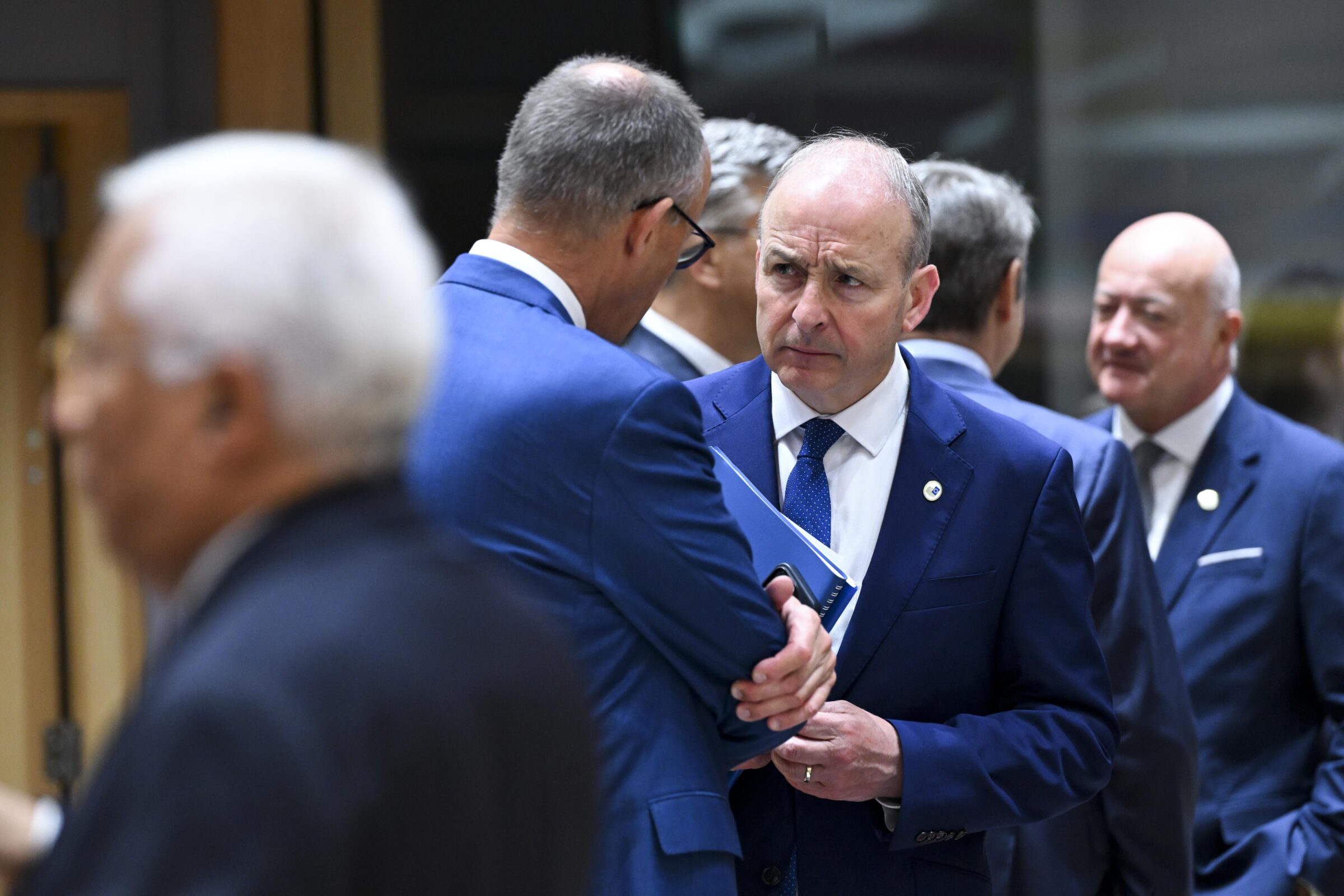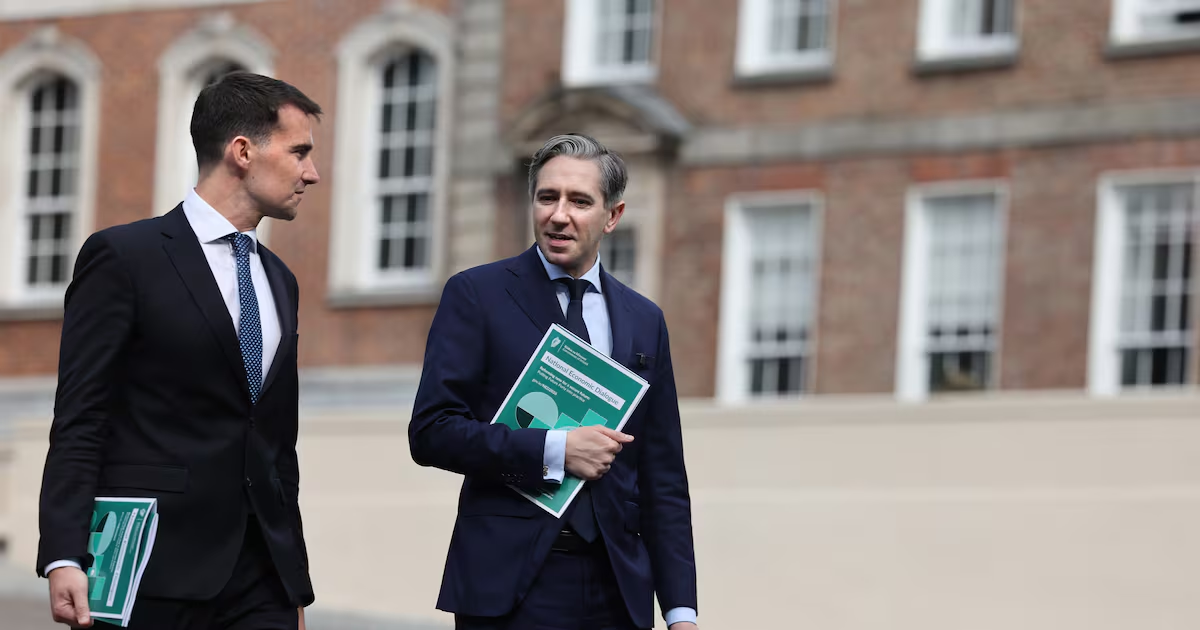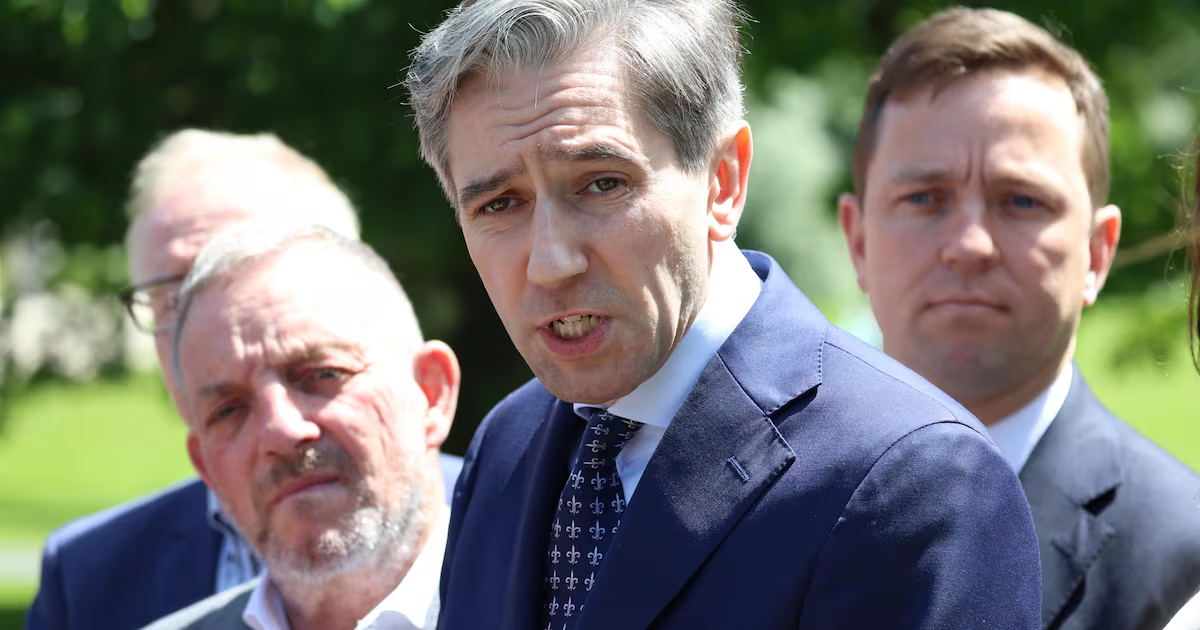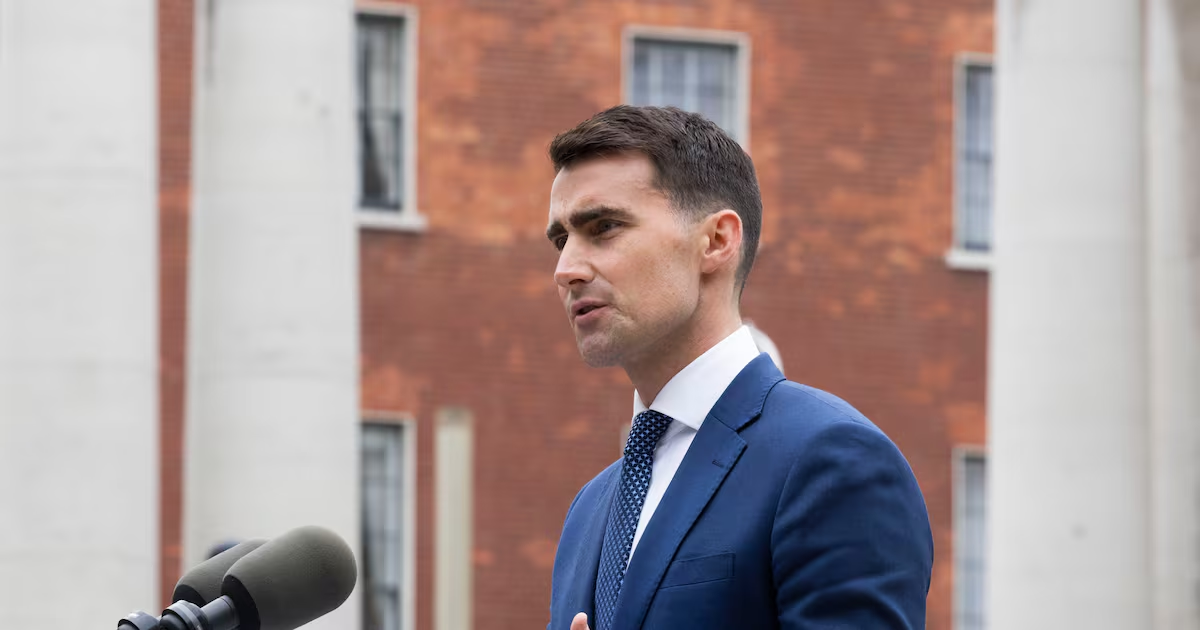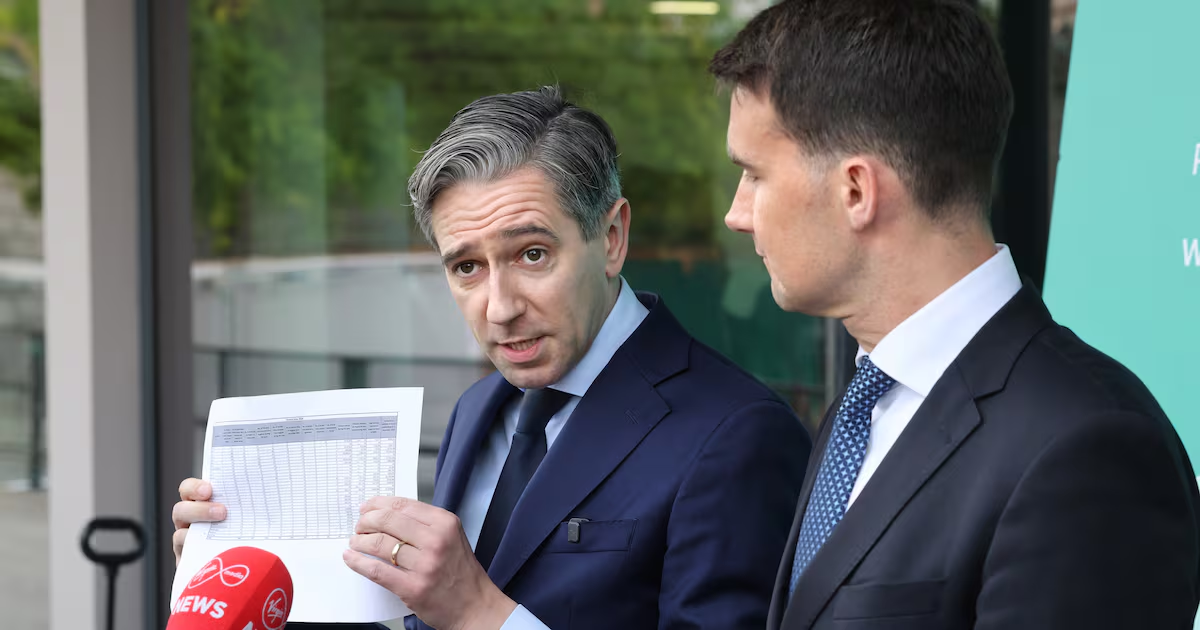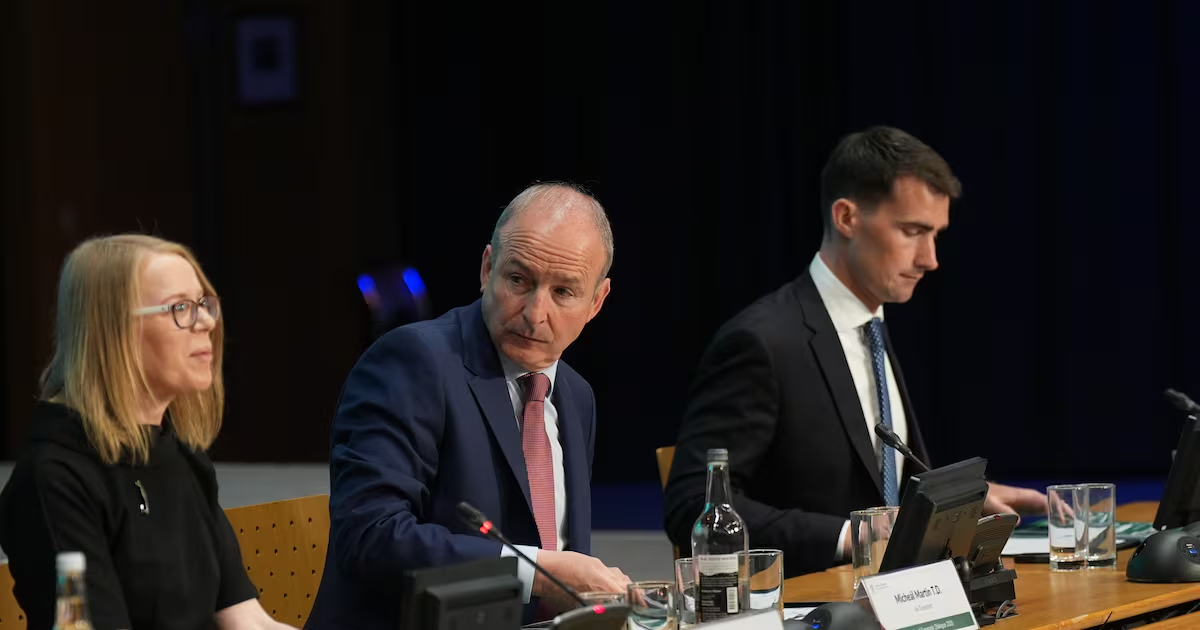
The rate of spending growth will be scaled back from this year, a key budget round-table conference has been told, as the Government faces into the start of talks with unions on another public sector pay deal.Taoiseach Micheál Martin, Minister for Finance Simon Harris and the Minister for Public Expenditure Jack Chambers used the National Economic Dialogue, a day of discussions with unions, business groups and stakeholders which signals the start of the process of preparing for next October’s budget, to stress the need for spending restraint after years of large increases.Martin told the gathering that voted expenditure had increased by 75 per cent since the pandemic and said the starting point in designing its budget for next year “has to be that we must manage our resources in a fiscally sustainable way”.[ Budget 2027: Simon Harris signals focus on tax relief and childcare measuresOpens in new window ]Harris and Chambers used their speeches to convey similar messages. It is understood that the party leaders and senior Ministers had their first meeting on budget strategy last night, which also included discussions on the forthcoming pay talks.Chambers will bring a memo to this morning’s Cabinet meeting on the forthcoming talks with unions on the successor to the pay deal that expires at the end of this month. Chambers said that there would be a moderation in Government spending and this would mean a focus on efficiency and value for money.“In practice, this means continually assessing the sustainability of all expenditure proposals, asking what can we afford? What do we want to prioritise? Where can we innovate and what can we do better – now and into the future?”Signals from Harris about measures in the budget to reduce the amount of income tax workers pay have been taken as a sign that the Coalition is interested in trading tax reductions in return for wage restraint from unions.Harris said the Government wanted to ensure that “work pays”, adding that economic progress “must be felt not only in headline statistics, but in people’s pay packets and in their daily lives”.Increasing the threshold for the higher rate of tax would benefit hundreds of thousands of middle-income earners by reducing the portion of their salary on which they pay the higher rate. However, union sources have indicated that a longer-term deal – extending beyond a year – would require guarantees for their input into policy areas like housing and childcare. Eruption of violence in Northern Ireland echoes the Troubles Listen | 53:59In his speech to the meeting at Dublin Castle yesterday, Martin said that “structured engagement with the social partners is important ... in various forums right across Government.”Senior union sources, however, remain sceptical that a long-term deal will be possible. They note mounting pressure for above-inflation pay rises among their members. The goal of controlling expenditure increases is closely linked to managing public pay increases and the public pay bill comprises a third of expenditure. Latest figures from the Department of Public Expenditure show that every 1 per cent pay increase for public servants costs an extra €370 million. There are now 417,000 people employed full-time in the public service.Despite plans to moderate growth, the Government will hear further warnings about planned expenditure levels today when the Irish Fiscal Advisory Council, the State’s budgetary watchdog, attends the Oireachtas budgetary oversight committee. Advisory council chairman Prof Seamus Coffey will tell the committee that the Government plans to increase spending at a rate that is “much faster than the sustainable growth rate of the Irish economy”.
‘Moderation’ in Government spending from this year, budget conference hears
National Economic Dialogue forum used to stress need for restraint and sustainable fiscal management
589 words~3 min read