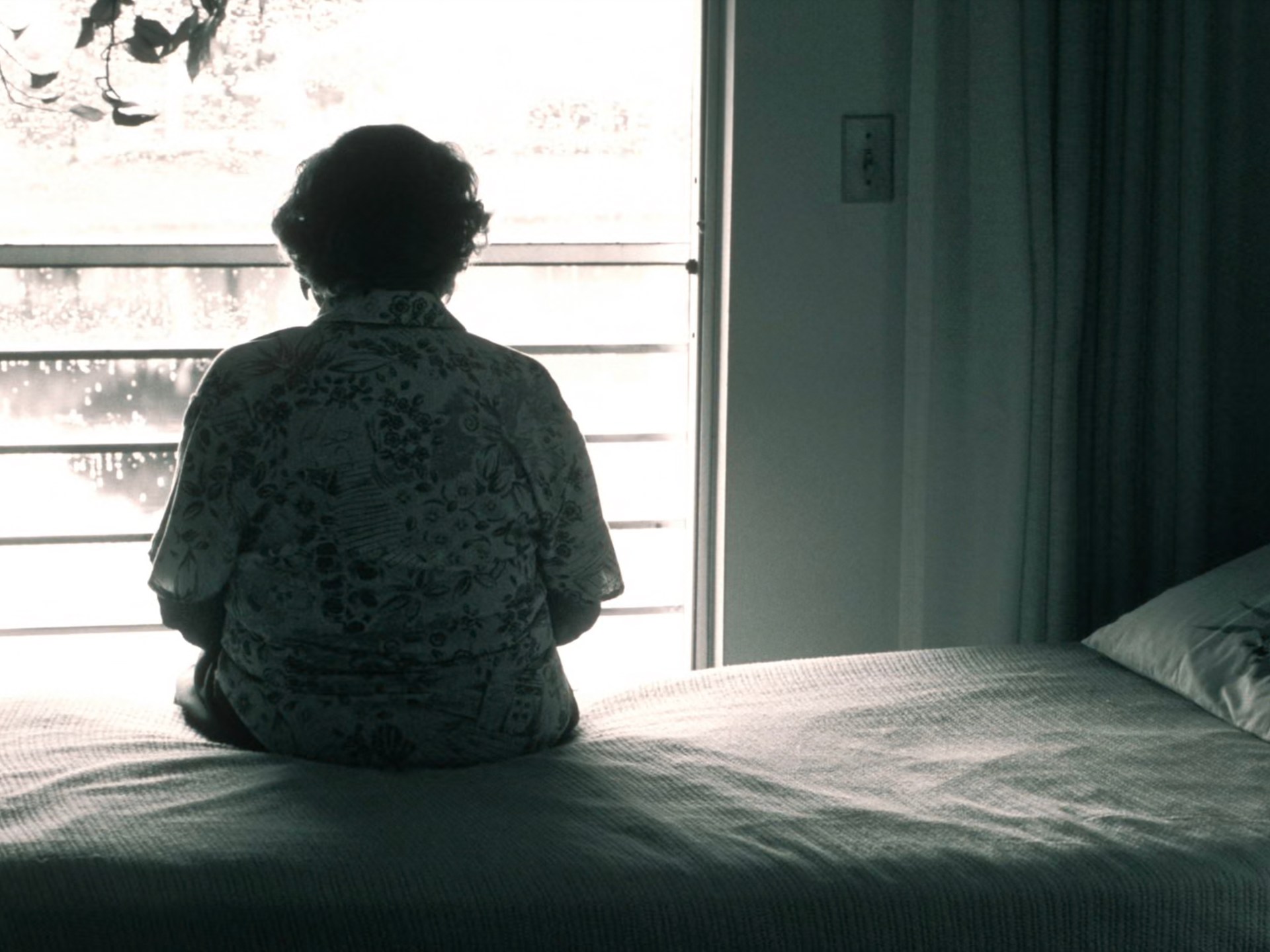
EXCLUSIVE: Performer Noah Seltzer, who is bringing his show Here Comes Almost to Edinburgh asks why the modern epidemic of loneliness isn't taken more seriously16:57, 21 Jul 2026We are in a loneliness epidemic. In 2023, the World Health Organisation labelled loneliness a pressing global health threat, with research showing it contributes to around one hundred deaths an hour.And yet, if loneliness is a global health crisis, why don't we treat it like one? We talk about our physical health all the time, but admitting you're lonely still feels like admitting you've somehow failed.We live in a world that's more connected than ever, yet many of us seem more lonely than ever. Just look around on public transport and count how many people are staring at their phones instead of the world around them.Since moving to New York, the urgency of this issue has become obvious to me. After university, I went on a healing journey and came into closer relationship with myself and my own queerness. It changed me but as a result, when I moved to New York, I didn’t have any close connections. I would walk through the city on a Saturday, seeing groups of friends sitting on blankets in the park, and wonder: where is my group? Where are my friends?For the past four years, I've sat outside the Met with a typewriter and a sign that reads "Ask me for a Poem." Through those interactions I've found that most people just want to be seen, and for someone to really listen.When I came to terms with my queerness and my longing for connection, I started to build deeper relationships. I discovered clowning, and I found people I could be my full self with, and be loved and celebrated in that. And still, I have nights alone on a Saturday, wondering about all the friends together in the city, wishing I was out with them.It's easy to feel like you're the only one without strong friendships or connections. But the other day, a woman struck up a conversation with me while we waited in line at a deli. She told me she'd spent most of the day alone in her apartment watching TV. Moments like that remind me just how hidden loneliness can be.That's why I wrote Here Comes Almost, which I'm taking to the Edinburgh Fringe. I play a clown called 'Almost', sent by the World Health Organisation to cure the global loneliness epidemic, one room full of strangers at a time. It's an impossible mission, but that's the point. I don't think one show can solve loneliness, but if people leave feeling a little less alone, that may be enough.When I've performed this piece, people have come up to say they really did feel seen. Some have asked to hang out afterwards. I even met one audience member for hot chocolate that winter, a woman from the Netherlands who told me about her own struggle to find connection in New York. I like to think of my performances as rituals: a small way to help people feel less alone, even if only for an hour. I don’t expect it to solve all problems but it may set something in motion.One of the wonderful things about clowning is that each show is unique, tailored to the room. Unlike traditional theatre, which happens in the "there and then," clown happens in the "here and now." Sometimes I find a connection and sometimes I struggle all the way through, sometimes we all laugh together - it’s a great experiment each time, full of wholeheartedness and ridiculousness.Performing this show has taught me that loneliness isn't unusual at all - it's just unusually difficult to admit. The more openly we talk about it, the less power it has over us.Article continues belowNoah will perform Here Comes Almost at the Edinburgh Fringe, 9:30pm at Zoo Playground from 7 – 30 August. Book at https://zoofestival.co.uk/programme/here-comes-almostLike this story? For more of the latest showbiz news and gossip, follow Mirror Celebs on TikTok , Snapchat , Instagram , Twitter , Facebook , YouTube and Threads .
Comedian Noah Seltzer says more needs to be done to combat loneliness
EXCLUSIVE: Performer Noah Seltzer, who is bringing his show Here Comes Almost to Edinburgh asks why the modern epidemic of loneliness isn't taken more seriously
682 words~3 min read