One of the first national efforts to combat loneliness as a societal health problem fizzled after the pandemic amid economic slowdown and political polarization. But the initiative also raised awareness sufficiently that is still recognized as a public health problem today.
“It started well, but I think it’s fair to say that COVID put a bit of a spanner in the works,” said Tracey Crouch, former United Kingdom minister for loneliness, of her nation’s efforts. “I do think there’s still a real drive from policymakers around the world to recognize the issue of loneliness, recognize the health impact, social impact of loneliness, and try to tackle it in their own unique ways.”
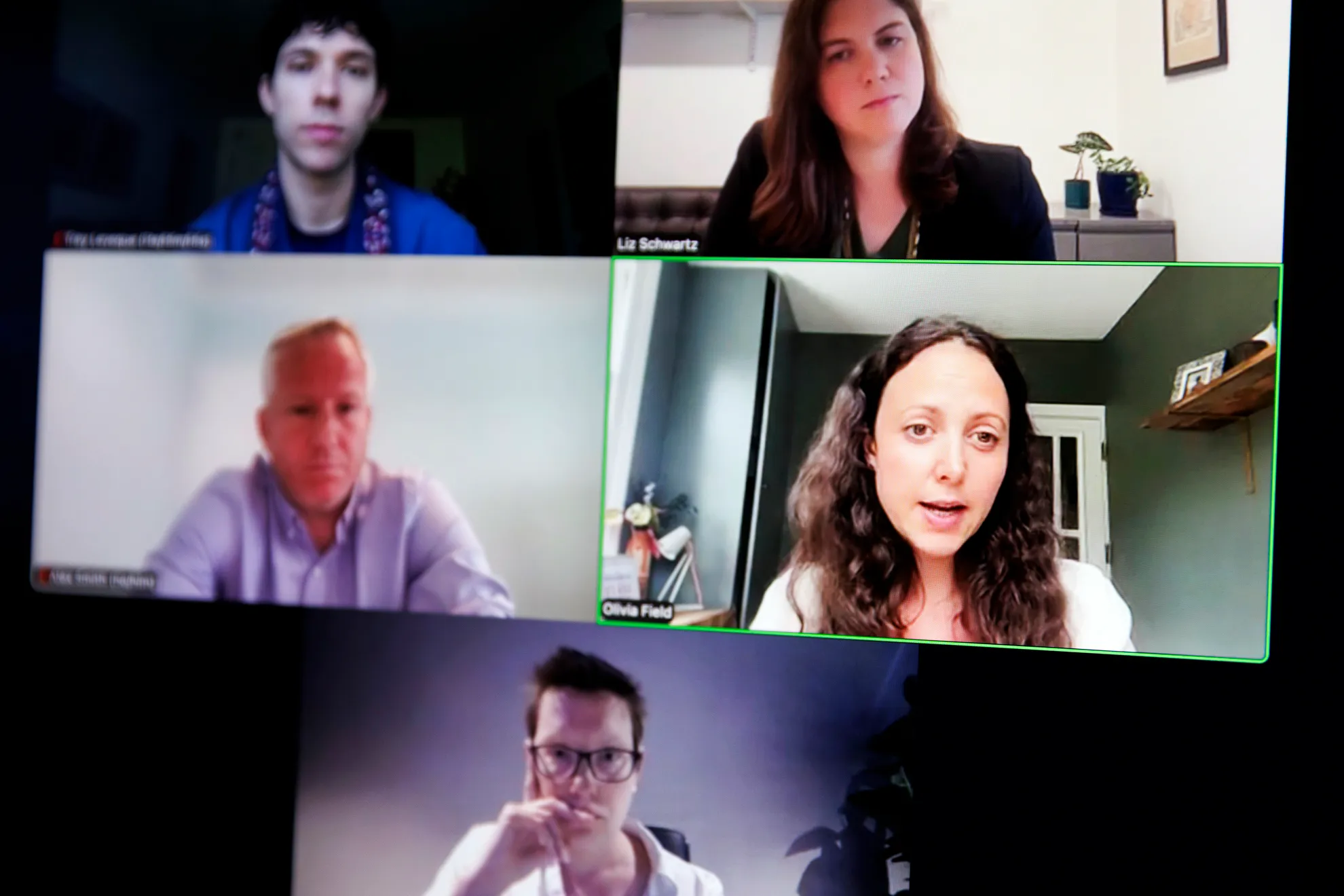
Experts from the U.K. and the U.S. agreed with that assessment at an event Tuesday hosted by the Harvard Kennedy School’s Shorenstein Center on Media, Politics and Public Policy. Acknowledgment of the depth and breadth of the issue in the U.S. got a major boost during the pandemic, but efforts in U.K. began earlier.
Alex Smith, a Shorenstein fellow and author of a recent report on the U.K.’s efforts to address loneliness, said globally the problem has been made worse by increased social change toward individualism, fostered by the development of smartphones and social media.