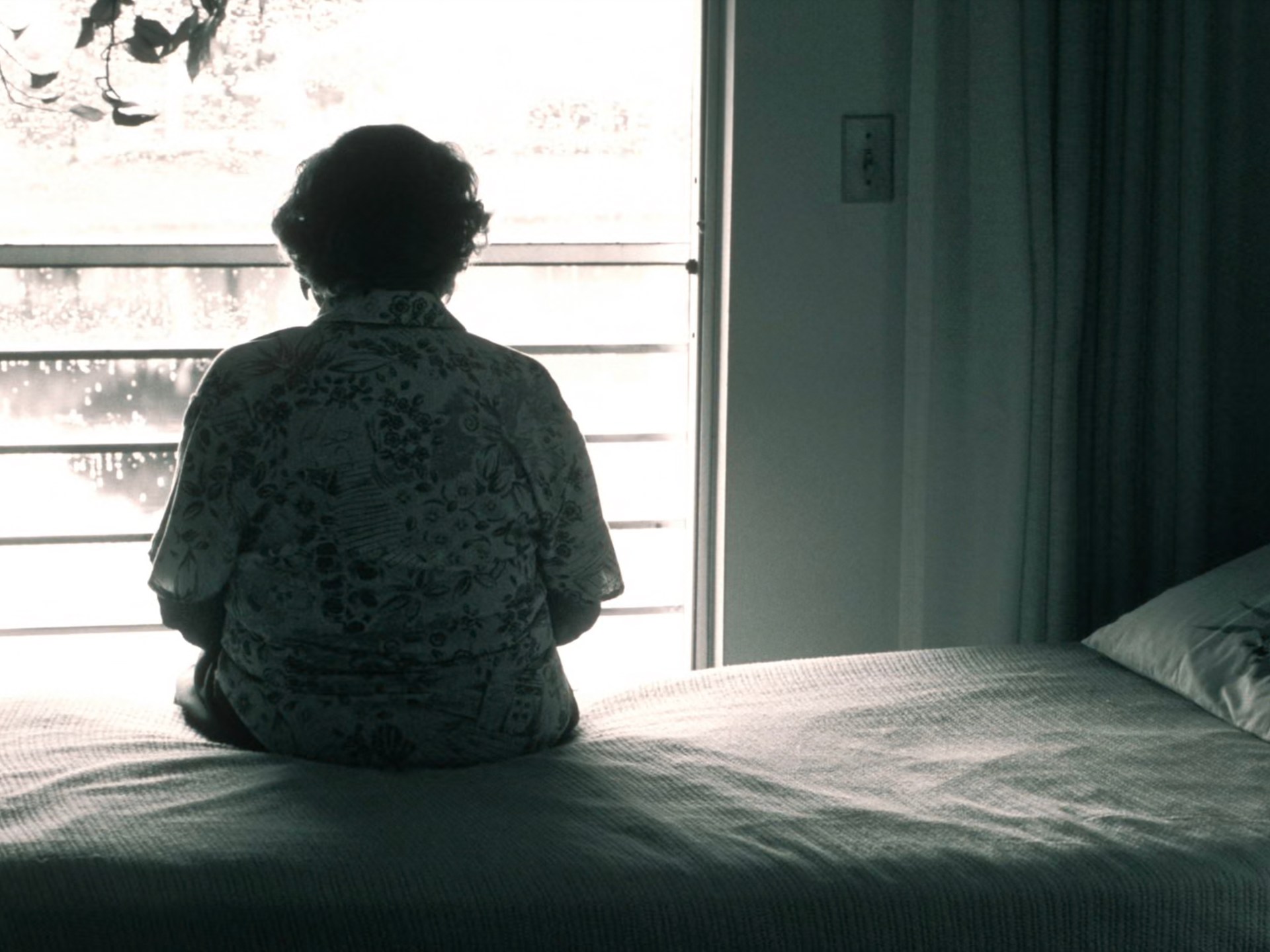
Social disconnection shortens lives and fractures societies. The WHO is urging leaders to act now before more lives are lost.
Around the world, an invisible threat is increasing the risk of disease, shortening lives and fraying the fabric of our communities. Social disconnection – when a person lacks sufficient social contact, feels unsupported in their existing relationships, or experiences negative or strained connections – is an increasingly serious but often overlooked danger to health and wellbeing. There are several forms of social disconnection, including loneliness and social isolation.
Today nearly one in six people globally report feeling lonely. Among adolescents and young adults as well as people living in low-income countries, the rate is even higher. But loneliness and social isolation are not just emotional states – they can be lethal. According to a recent report from the World Health Organization (WHO), from 2014 to 2019, loneliness was associated with more than 871,000 deaths annually – equivalent to 100 deaths per hour. We now have irrefutable evidence that social health – our ability to form and maintain meaningful human connections – is just as essential to our wellbeing as physical and mental health. Yet for too long, it has been ignored by health systems and policymakers alike.