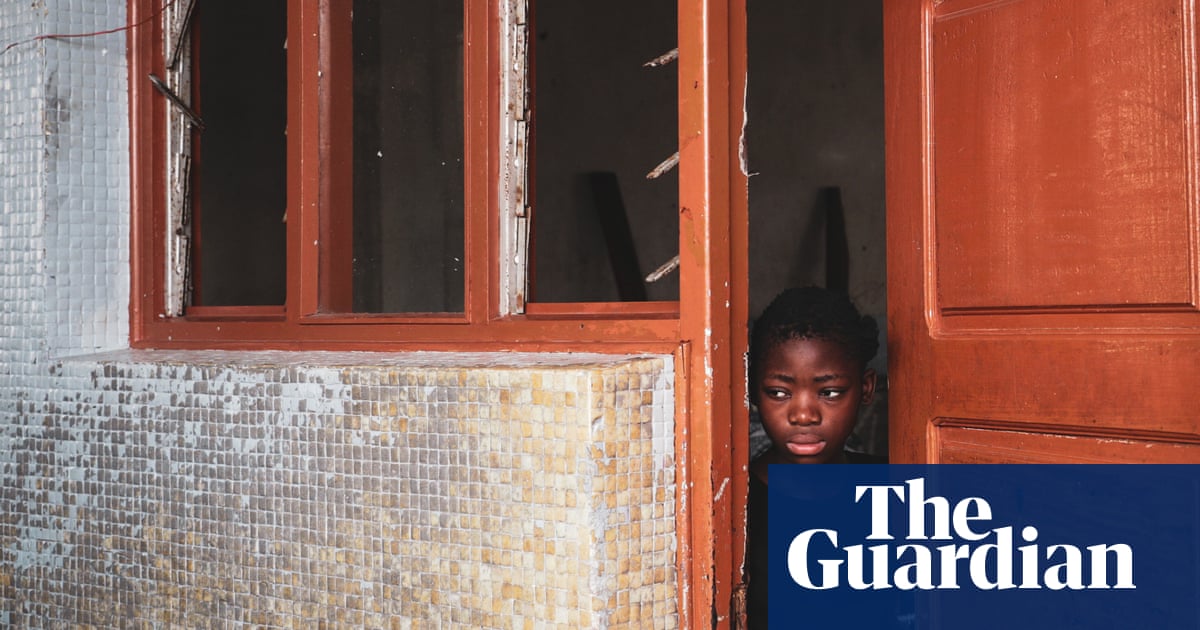
A World Health Organization study challenges traditional views of African society. Some blame technology, others urbanisation and living costs, but what is the solution?
L
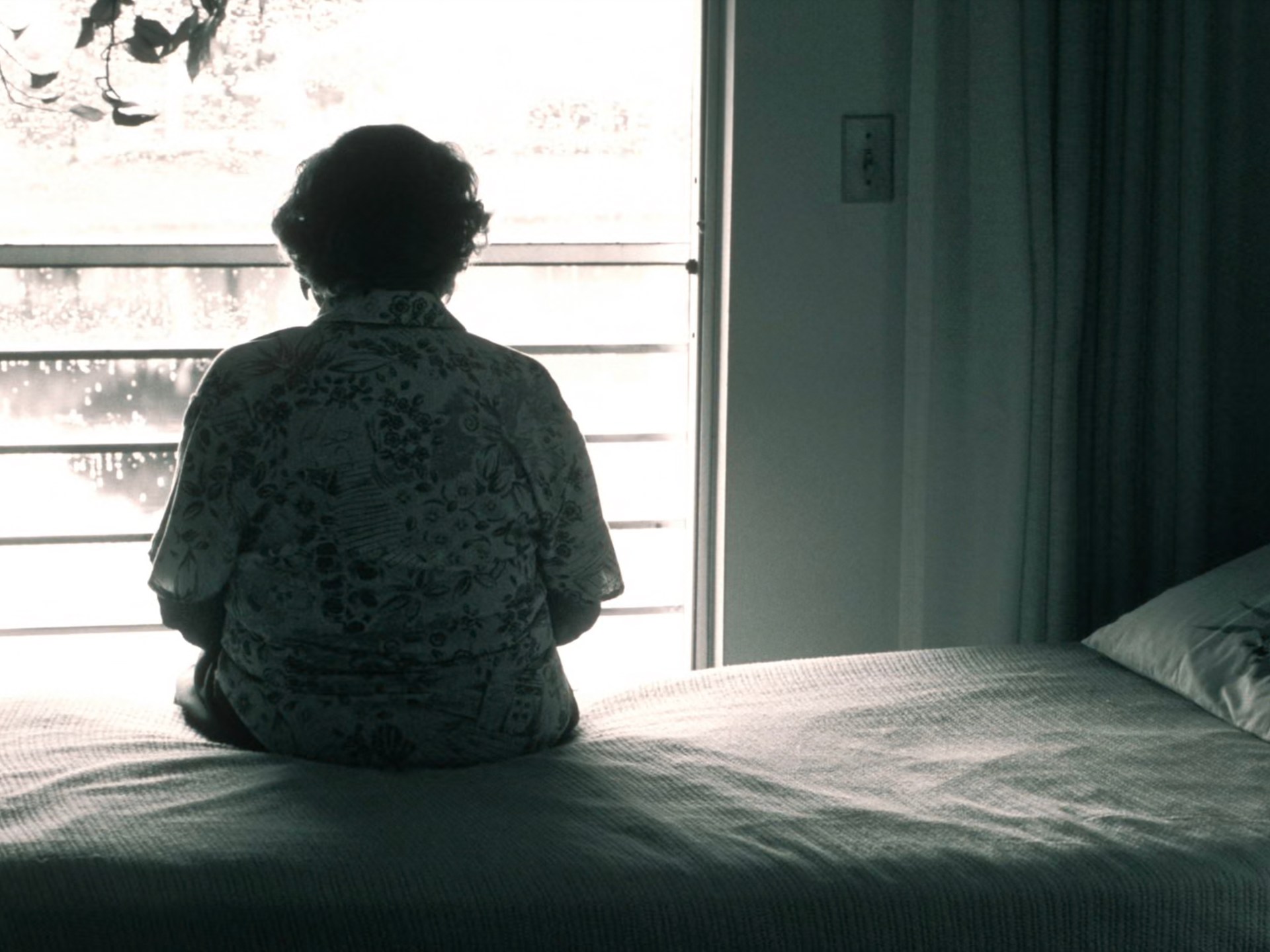
oneliness has been a constant feature of Macyleen’s life since she was nine years old and her mother died in their home town in Zimbabwe. She was sent to live with her father, but he worked away from home a lot. His new wife resented his other children and was emotionally abusive.
Macyleen lived with three half-siblings, but they were much older. “We were there to survive and just get to the next day. I knew I was alone,” she recalls.
That feeling has never really left Macyleen, who is now 33, building a childminding business and bringing up four children on her own in Gqeberha (formerly Port Elizabeth), South Africa.