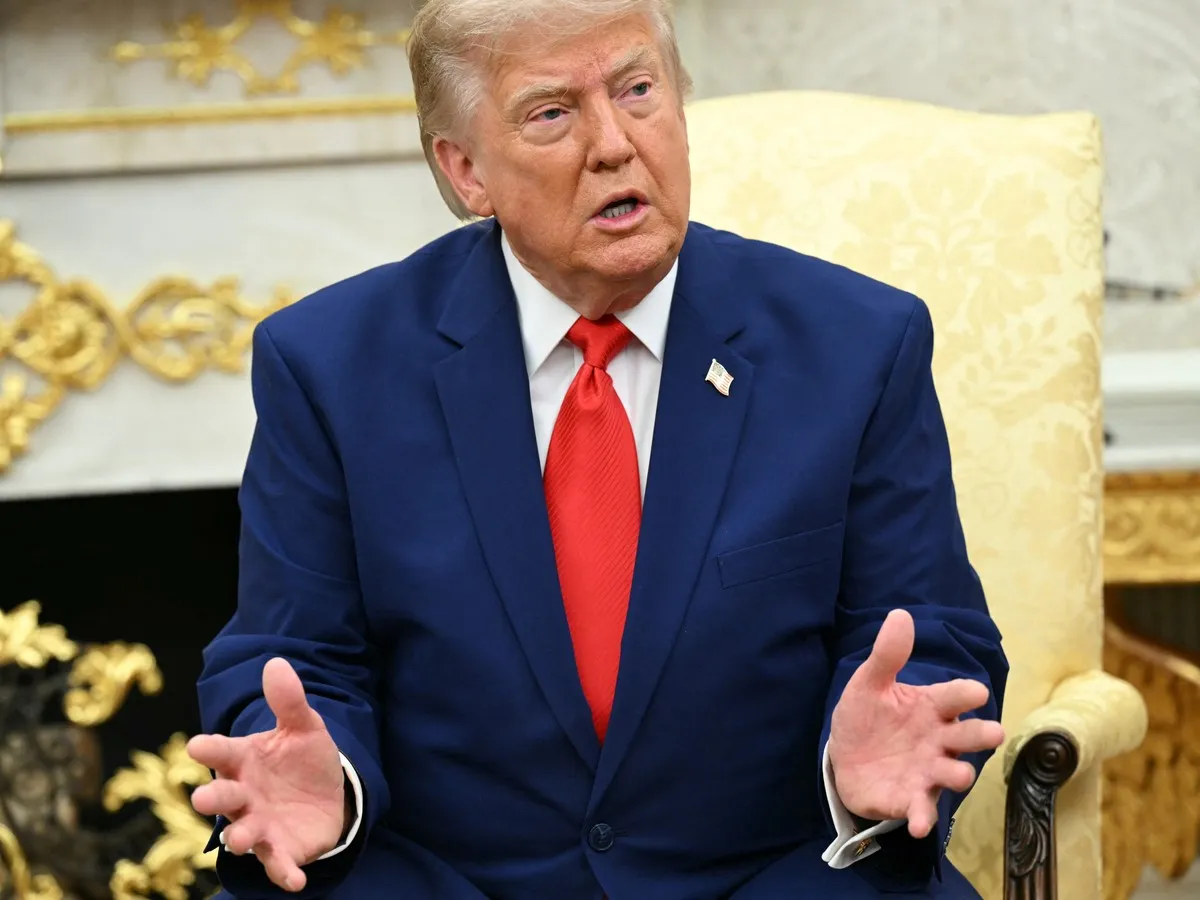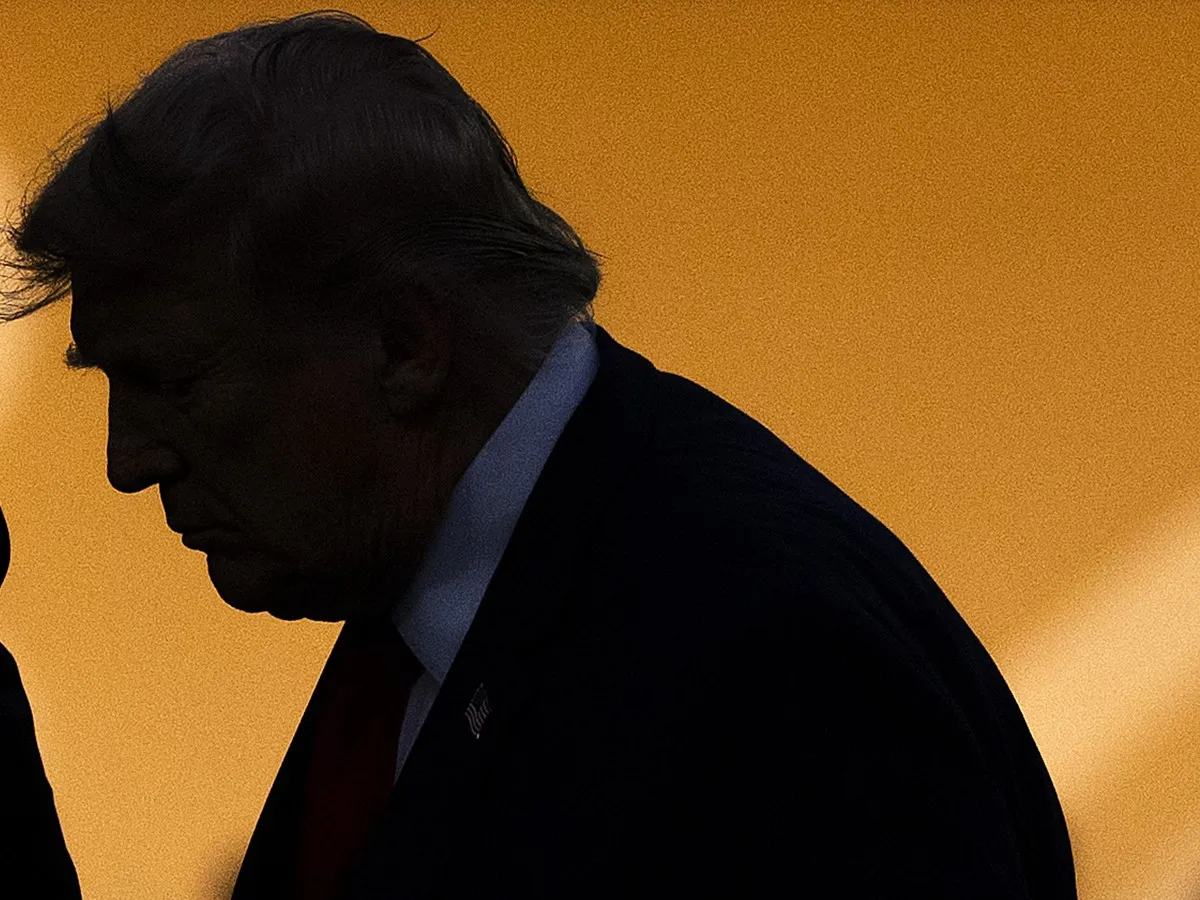
Skip to Content Subscribe Our Offers My Account Manage My Subscriptions FAQ Newsletters Canada Canadian True Crime Canadian Politics Health World Israel & Middle East Financial Post NP Comment Longreads Puzzmo Diversions Comics NP News Quiz New York Times Crossword Horoscopes Life Eating & Drinking Style Sponsored Play for Ontario Travel Travel Canada Travel USA Travel International Cruises Travel Essentials Culture Books Celebrity Movies Music Theatre Television Business Essentials Advice Lives Told Tails Told Shopping Buy Canadian Home Living Outdoor Living Kitchen & Dining Tech Style & Beauty Personal Care Entertainment & Hobbies Gift Guide Travel Guide Amazon Prime Day Deals Savings National Post Store More Sports Hockey Baseball Basketball Football Soccer Golf Tennis Driving Vehicle Research Reviews News Gear Guide Obituaries Place an Obituary Place an In Memoriam Classifieds Place an Ad Celebrations Working Business Ads Archives Healthing Epaper Manage Print Subscription Profile Settings My Subscriptions Saved Articles My Offers Newsletters Customer Service FAQ Newsletters Canada World Financial Post NP Comment Longreads Puzzmo Diversions Life Shopping Epaper Manage Print Subscription HomeNP CommentMatthew Lau: Trump's tariff beatings against Americans will continue until morale improvesThe cost of trade barriers are paid for by importers, not exportersLast updated 20 minutes ago You can save this article by registering for free here. Or sign-in if you have an account.U.S. President Donald Trump on July 19, 2026 in East Rutherford, New Jersey. Photo by David Ramos /Getty ImagesIn Canada, government imposes punitive taxes or prohibitions on Canadian consumers, including of dairy, alcohol products from the U.S. (the sales of which are banned in some provinces), and cars. In a supposed effort to induce the Canadian federal and provincial governments to curtail these punitive policies, Donald Trump has just proposed to raise punitive taxes on American consumers, notably through a new 50 per cent tariff on those who buy paper products, cement, wood products, dairy, honey, essential oils, hockey equipment, and certain alcoholic beverages from Canada.Enjoy the latest local, national and international news.Exclusive articles by Conrad Black, Barbara Kay and others. Plus, special edition NP Platformed and First Reading newsletters and virtual events.Unlimited online access to National Post.National Post ePaper, an electronic replica of the print edition to view on any device, share and comment on.Daily puzzles including the New York Times Crossword.Support local journalism.Enjoy the latest local, national and international news.Exclusive articles by Conrad Black, Barbara Kay and others. Plus, special edition NP Platformed and First Reading newsletters and virtual events.Unlimited online access to National Post.National Post ePaper, an electronic replica of the print edition to view on any device, share and comment on.Daily puzzles including the New York Times Crossword.Support local journalism.Create an account or sign in to continue with your reading experience.Access articles from across Canada with one account.Share your thoughts and join the conversation in the comments.Enjoy additional articles per month.Get email updates from your favourite authors.Create an account or sign in to continue with your reading experience.Access articles from across Canada with one accountShare your thoughts and join the conversation in the commentsEnjoy additional articles per monthGet email updates from your favourite authorsSign In or Create an AccountorRobert Higgs, an American economic historian, posted this analogy to social media during an earlier era of Trump tariff-mania back in 2018: “Suppose you’re a slave, and your master undertakes to beat you more frequently. When you complain, the wise-asses on Facebook berate your intelligence because of your failure to understand that this increase in beatings is only a bargaining tactic by which your master expects to induce other masters to reduce the frequency with which they beat their own slaves. If this ‘bargaining tactic’ makes sense to you, you may be favorably impressed with Trump’s trade policies and related ad hoc actions.”The National Post newsletter that doesn’t hold back, giving readers the unvarnished truth on media, politics and culture.By signing up, you consent to receive the above newsletter from Postmedia Network Inc.A welcome email is on its way. If you don't see it, please check your junk folder.The next issue of Right? will soon be in your inbox.We encountered an issue signing you up. Please try againThose who favour this bargaining tactic may also be impressed by Ontario Premier Doug Ford, who in reaction to Trump’s proposal to increase punitive taxes on American consumers, proposed that the Canadian federal government increase punitive taxes on Canadian consumers dollar-for-dollar. So, we may well be headed towards more tariff-beatings for Canadians and Americans alike, at the hands of their own governments.It is well documented by careful economic studies that when governments impose tariffs, seemingly paid by exporters, they are actually administering taxation beatings to their own citizens. For example, a February 2026 paper from the National Bureau of Economic Research, written by Harvard University economist Gita Gopinath and University of Chicago economist Brent Neiman, studied the degree to which the 2018-2019 and 2025 U.S. tariffs were paid by Americans as opposed to the tariffed exporters. They concluded that the tariff pass-through rate to U.S. importers is “pervasively high, during both the 2018-2019 and 2025 episodes.”Specifically, they estimated that 80 per cent of the burden of the 2018-2019 tariffs and 94 per cent of the 2025 tariffs were passed through to U.S. importers, in other words, paid by Americans instead of by tariffed exporters. While the higher 94 per cent estimated pass-through rate for the 2025 tariffs may reflect a shorter time period studied, other studies reach similar conclusions.A separate study by researchers at the Kiel Institute for the World Economy, a German think tank, analyzed $4 trillion of shipments between January 2024 and November 2025 and concluded that U.S. consumers and importers paid 96 per cent of the cost of Trump’s tariffs, while foreign exporters paid only four per cent. Yet other analyses, including an April 2026 National Bureau of Economic Research paper and an analysis by researchers at the New York Federal Reserve, estimated approximately 90 per cent of the U.S. tariffs’ economic burden fell on Americans. Yet other research, including from Goldman Sachs, Harvard Business School, and the Yale Budget Lab, also confirm that Americans bear the majority of the economic burden from recent U.S. tariffs.The corollary to studies showing that U.S. tariffs mainly inflict economic pain on Americans is that Canadian tariffs — including when used as a “bargaining tactic” to induce the U.S. to reduce its own tariffs — inflict economic pain primarily on Canadians.Indeed, Canadian studies have amply documented how protectionism hurts Canadian consumers. Last month, a Montreal Economic Institute study estimated supply management — which involves quotas and high tariffs on dairy, eggs, and poultry — cost the average Canadian $224 per year in inflated food prices. Based on Statistics Canada’s income survey and low-income cut-offs (a threshold for relative poverty), the MEI study suggested that these inflated food prices effectively pushed about 120,000 Canadians below the poverty line.In addition to supply management, other protectionist measures have similarly negative effects. A Bank of Canada study on the 2018-2019 tariffs concluded that Canadian counter-tariffs on the U.S. resulted in “high but incomplete pass-through of tariffs to consumer goods prices.” Specifically, it estimated the tariff pass-through rate to be approximately 70 per cent for food in stores and 60 per cent overall. In other words, the Bank of Canada found that when the Canadian government imposed punitive tariffs, it mainly punished its own citizens.It is time to stop the madness. Taxpayers on both sides of the border should insist their government stop subjecting them to these continual tariff beatings.National Post Join the Conversation This website uses cookies to personalize your content (including ads), and allows us to analyze our traffic. Read more about cookies here. By continuing to use our site, you agree to our Terms of Use and Privacy Policy.
Matthew Lau: Trump's tariff beatings against Americans will continue until morale improves
The cost of trade barriers are paid for by importers, not exporters
1,290 words~6 min read