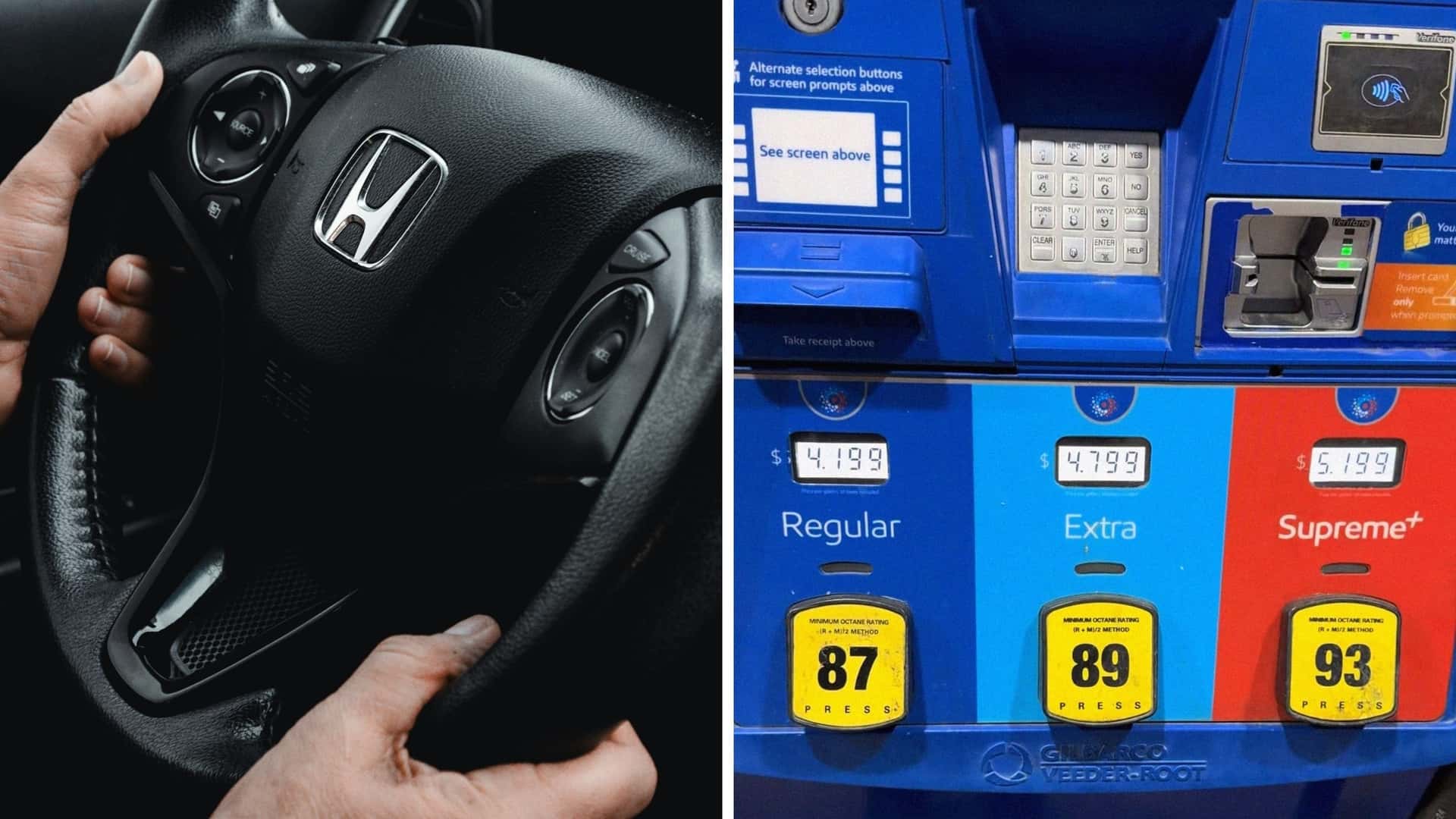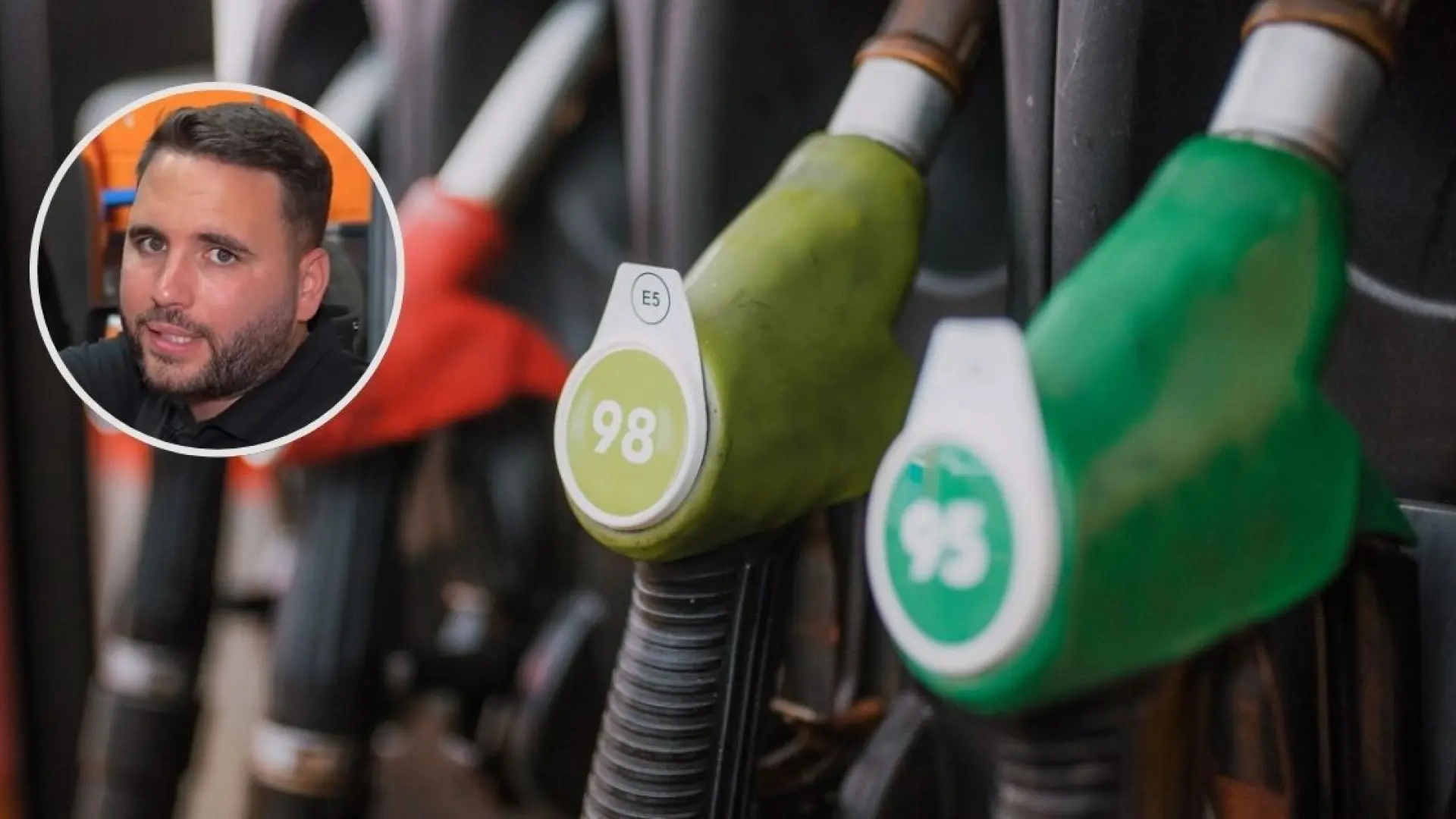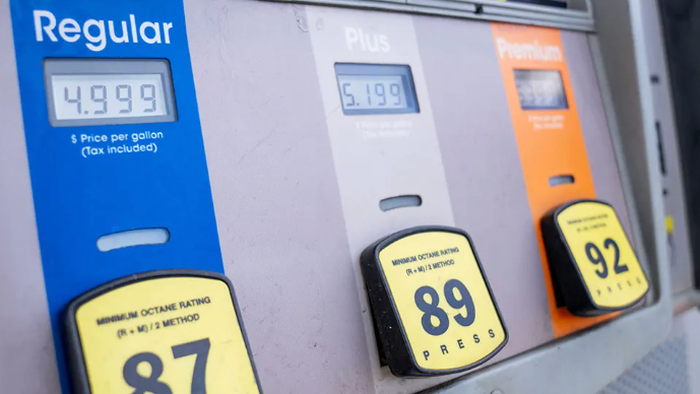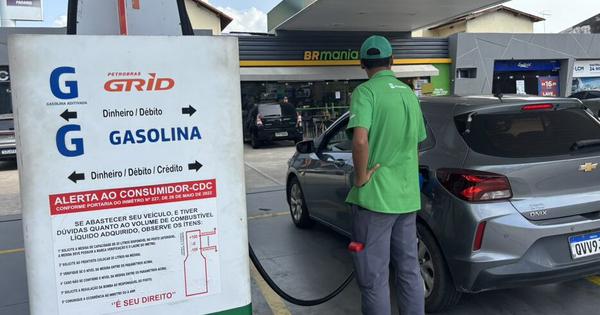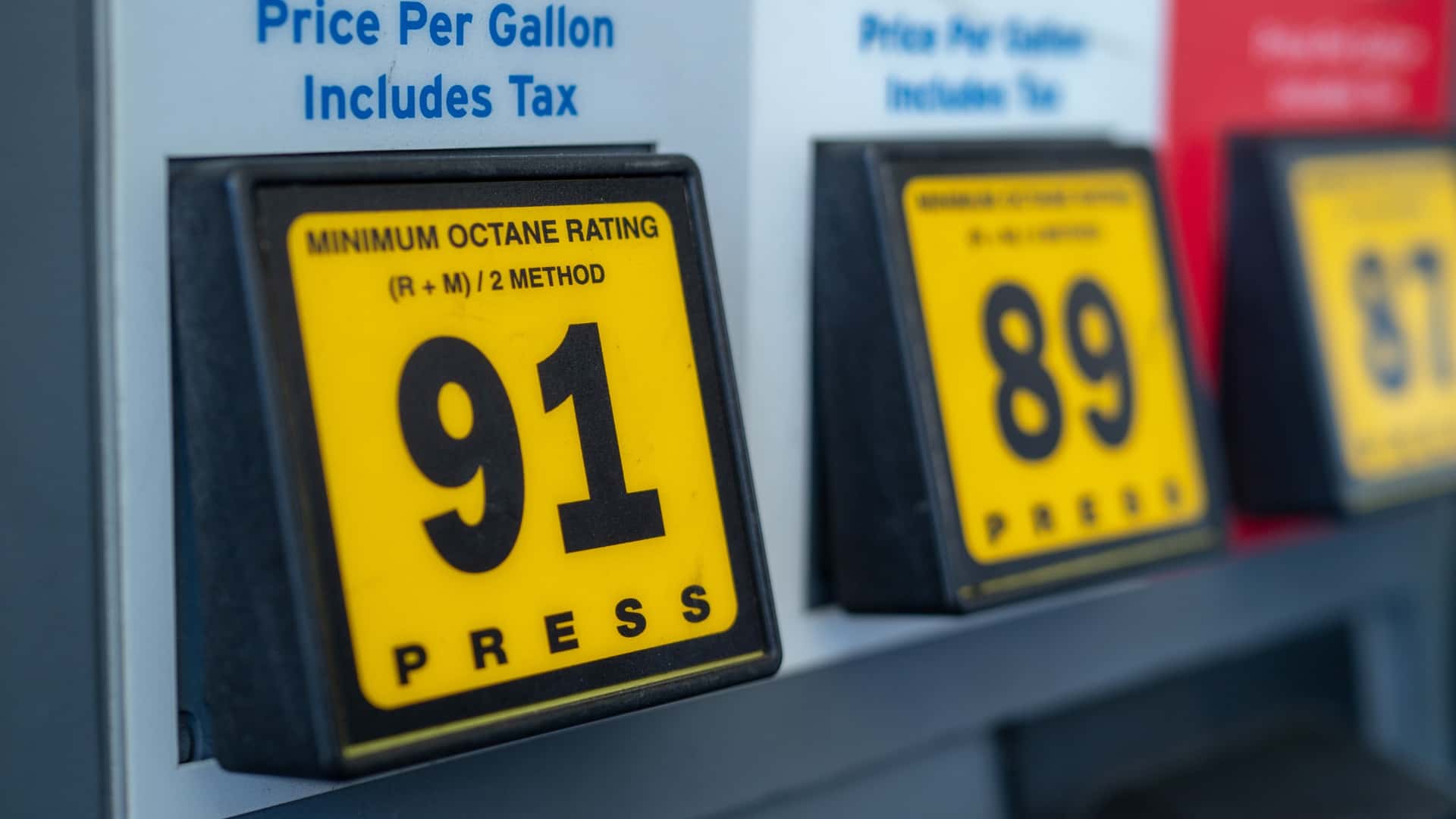
Pull into almost any gas station in America, and you'll see the same three choices staring back at you: 87, 89, and either 91 or 93 octane. It's easy to assume each button corresponds to its own underground storage tank. After all, why would a gas station offer three different grades of fuel if it didn't have three different tanks?
The answer is much simpler—and a lot more clever.
Despite offering three fuel grades at the pump, most gas stations only store two kinds of gasoline underground: regular and premium. The middle option isn't sitting in its own tank waiting for you to select it. Instead, it's created on demand every time someone presses the 89-octane button.
It's one of those behind-the-scenes pieces of automotive engineering that's been around for years, yet most drivers have no idea it's happening.
Here's How It Works