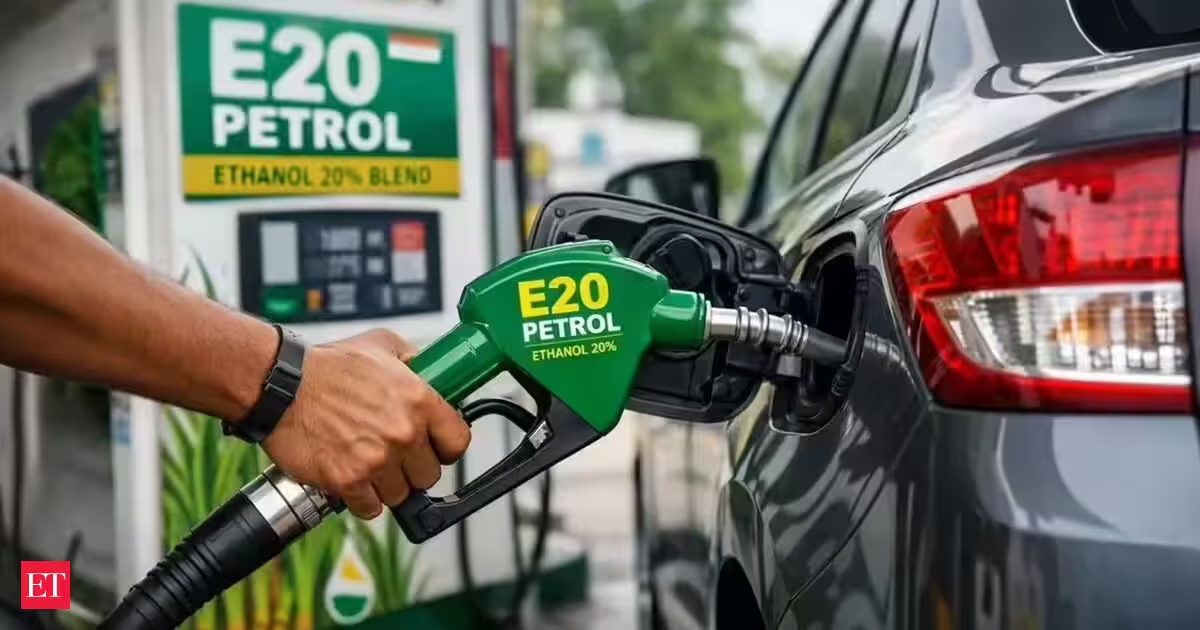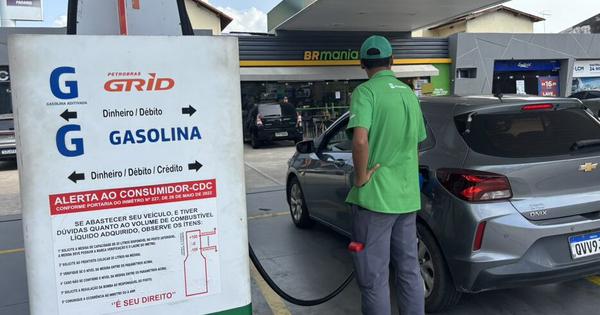
At Posto Dallas, a fuel station in northern Brazil’s Belém city, a car pulls in. The driver checks the price board, then picks a fuel. The 27-year-old station attendant, John, sees this happen all day. “Mostly flex-fuel vehicles come here,” he said. “People see the price and ask us to fill the fuel in their tanks accordingly.”Posto Dallas fuel stations are supplied by the state-owned energy company Petrobras and operate under the brand. In Brazil, customers can choose between different percentages of ethanol blends or pure petrol depending on the price and usage. Most cars sold here are flex-fuel vehicles, built to run on different petrol-ethanol blends. Brazil has offered this choice for decades.In another part of the world, nearly 15,000 km away, at a petrol pump in Bhopal’s Katara Hills, the scene looks similar. Vehicles come and go, attendants fill tanks, customers decide fast. But one thing is different: the choice on offer. In India, the government made 20% ethanol blended petrol, called E20, the default fuel across all fuel stations under its ethanol blending programme.For Nicola Pamplona, a vehicle owner and a journalist by profession, choosing between petrol and ethanol in Rio de Janeiro is routine. Most Brazilians follow a simple rule. “Brazilian drivers know that ethanol is worth using when its price is below 70% of the petrol price,” Pamplona said.However, unlike Pamplona, Priyanka Verma doesn’t get that choice in Bhopal. Verma moved to Bhopal from Delhi. In Delhi, her car ran about 15 km per litre in heavy traffic. In Bhopal, traffic is lighter, but the mileage has dropped to around 11.5 km per litre, a drop of about 23%. She blames E20 fuel for this drop.Pamplona chooses ethanol, whereas Verma is forced to use it. That difference sits at the heart of the India-Brazil comparison. Brazil allowed enough time for non-compatible vehicles to phase out, built its system around flex-fuel vehicles, and allowed consumers to choose their fuel based on price. India is moving differently, with E20 becoming the default petrol while flex-fuel vehicles remain rare. Separate fuel choice at the pump too barely exists.Brazil matters to India’s ethanol debate because India has often looked to Brazil’s long ethanol experience while expanding blending. India’s ethanol roadmap has referred to Brazil’s experience with ethanol and flex-fuel vehicles. The two countries have also discussed bioenergy cooperation, including ethanol, higher blends and flex-fuel technology. Brazilian ethanol representatives have engaged with Indian government and automobile-sector forums. India’s discussion around flex-fuel vehicles echoes parts of Brazil’s pathway, where ethanol moved from blending to direct use in flex-fuel vehicles.However, the comparison of India’s and Brazil’s ethanol transition also shows the difference. Brazil built its ethanol system over decades through transition of vehicles, rigorous testing, competitive prices, logistics and consumer trust. India’s move from low ethanol blending to E20 has been rapid.
Ethanol lessons for India from Brazil: Transition took decades of building trust, offering options
Customers have flex-fuel cars and can choose between different percentages of ethanol blends or pure petrol depending on price and usage.
1,876 words~9 min read