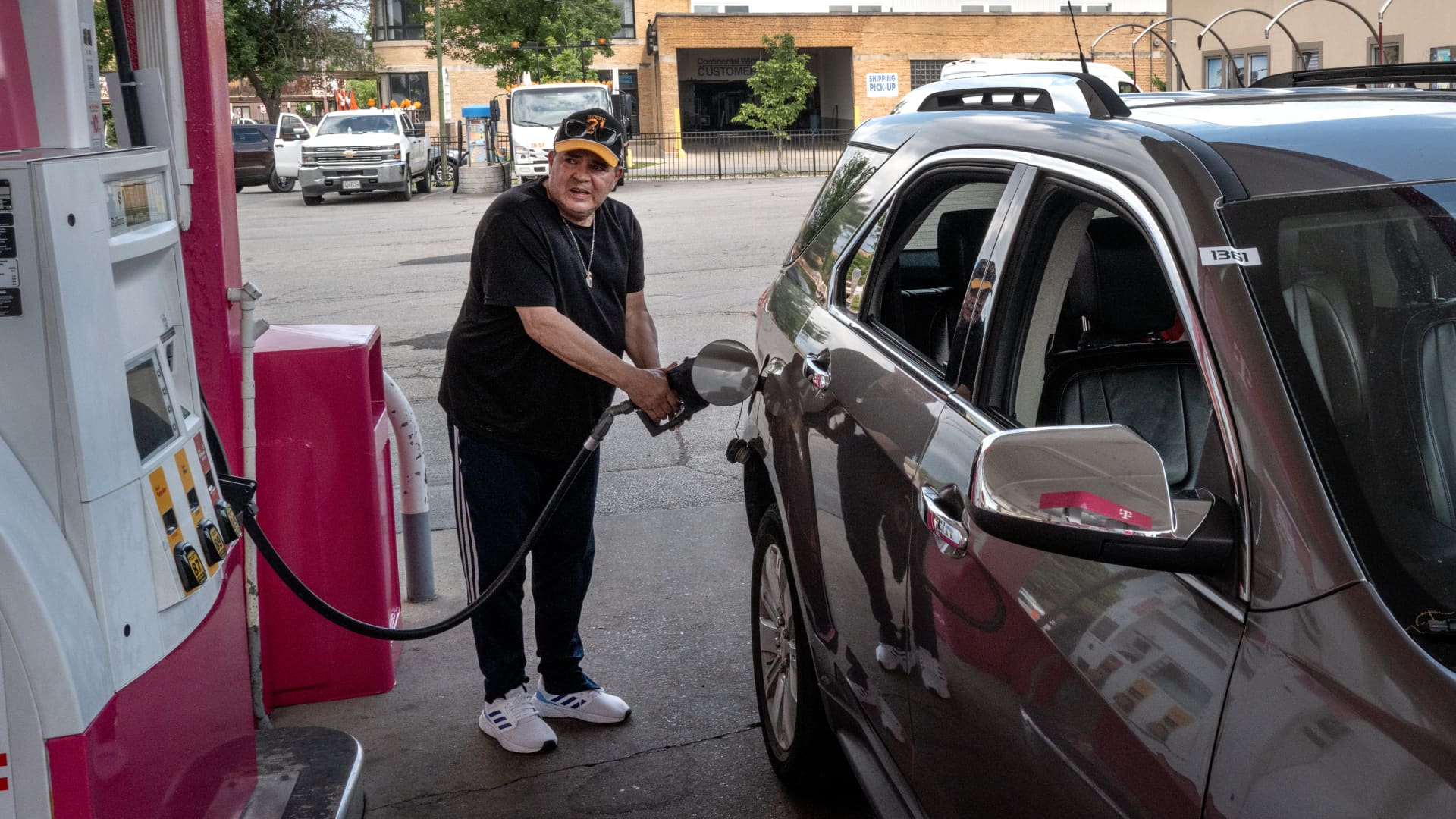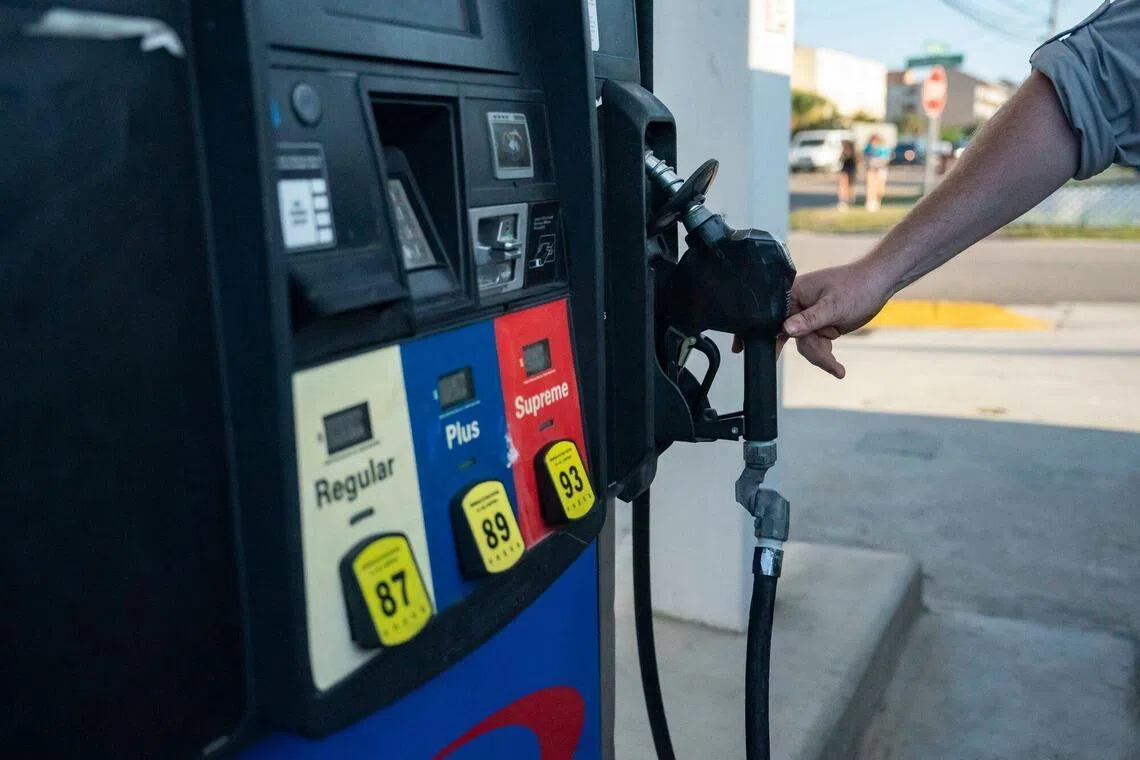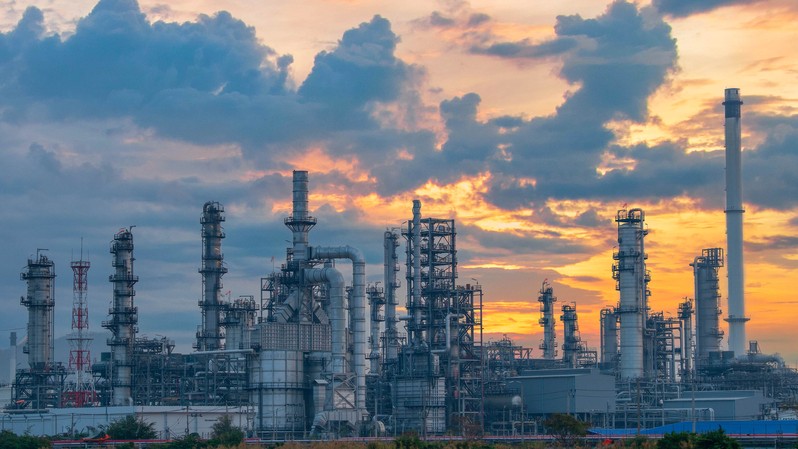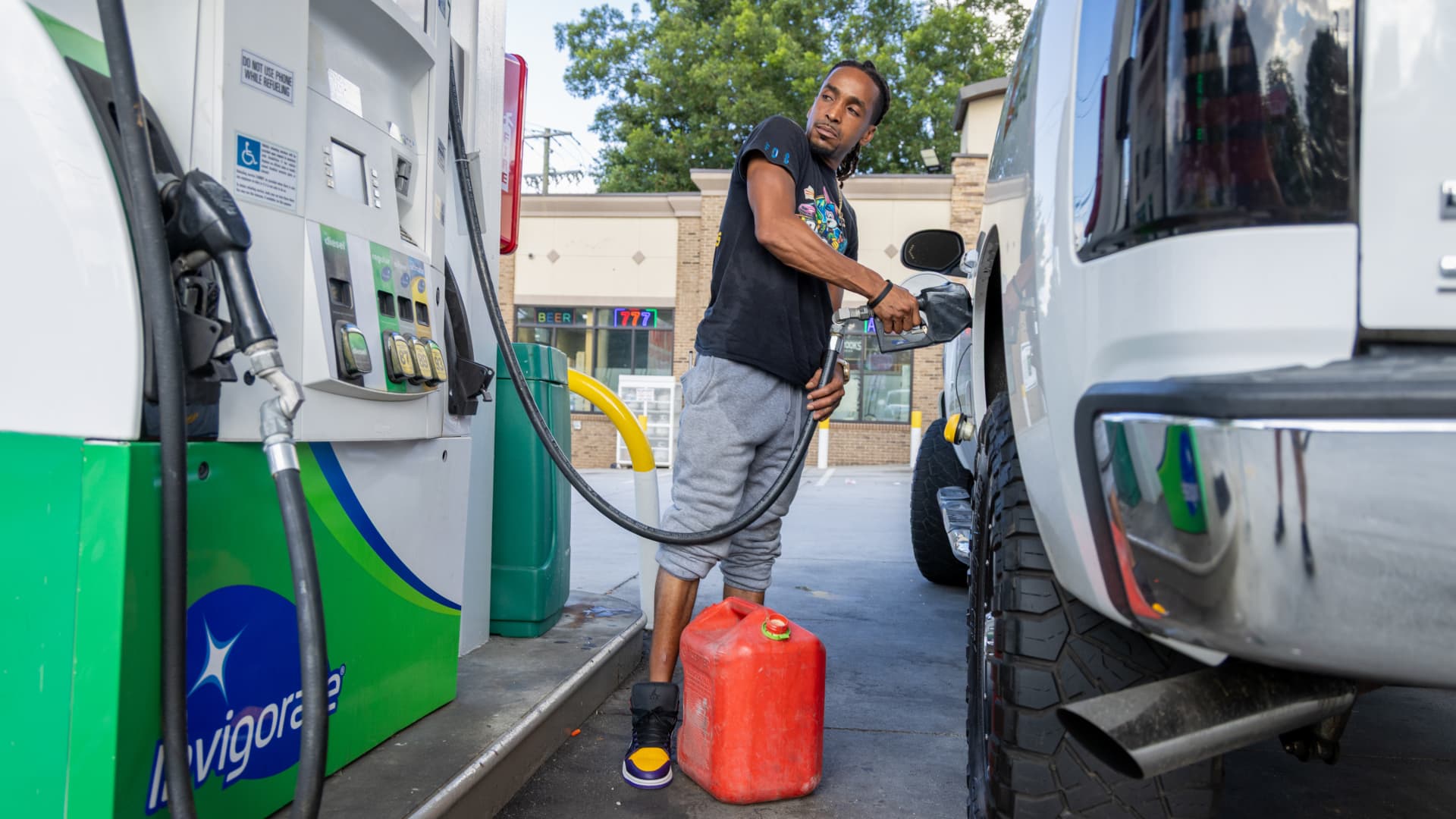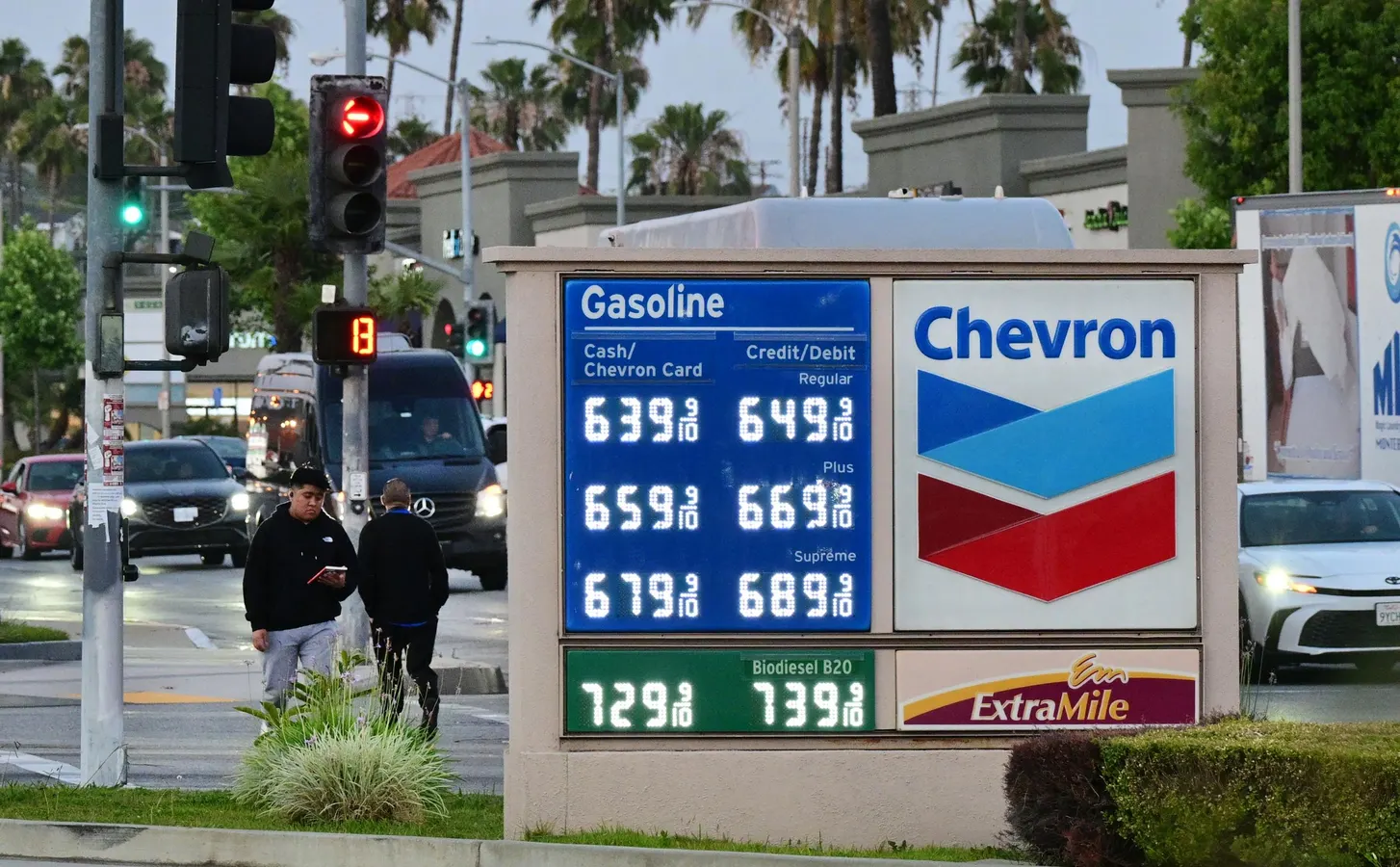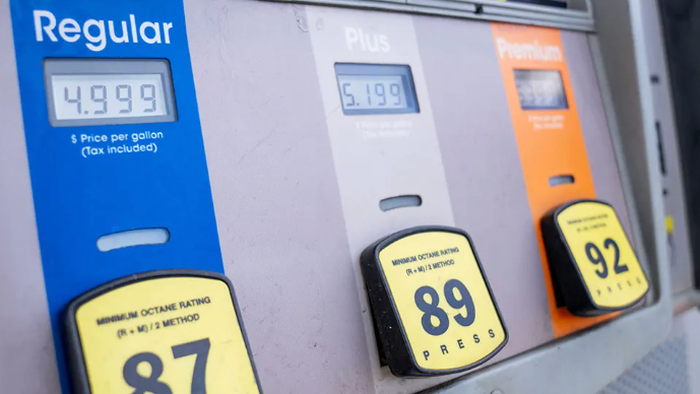
The US national average for regular 87-octane gasoline remained uncomfortably above the politically sensitive $4-per-gallon threshold for roughly two and a half months. That stretch pressured lower-income consumers, forcing many to trade down or cut discretionary spending while weighing on broader consumer sentiment. The key question now is whether pump prices have further room to fall or whether current levels will become the new normal this summer.Answering that question is Goldman's leading commodity expert Daan Struyven, who penned a note on Thursday explaining the three forces keeping pump prices high:Reason #1: Tight Refining FundamentalsExhibit 4: The Global Refining Utilization Rate Was Near Historical Highs Before the Hormuz ShockExhibit 5: Refined Oil Products Stocks Are LowReason #2: Ongoing Refined Products Supply ShocksExhibit 6: Combined Refinery Outages in Russia and the Middle East Are 4.6mb/d Above Their Seasonal NormssReason #3: Asymmetric PassthroughExhibit 7: Firms Look Much More Likely to Report Selling Price Increases After Energy Prices Rise—Such as in 2021 and 2022—Than Report Selling Price Decreases When Energy Prices Fall—Like in 2023 and 2024Struyven's three reasons suggest that the recent declines in the national average prices of gasoline, diesel, and other refined fuels may prove limited.Professional subscribers can read more on energy markets and Gulf/Hormuz at our new Marketdesk.ai portal.
Three Reasons Gas Prices Are Likely To Remain Elevated
The first is the global refining utilization rate.
208 words~1 min read