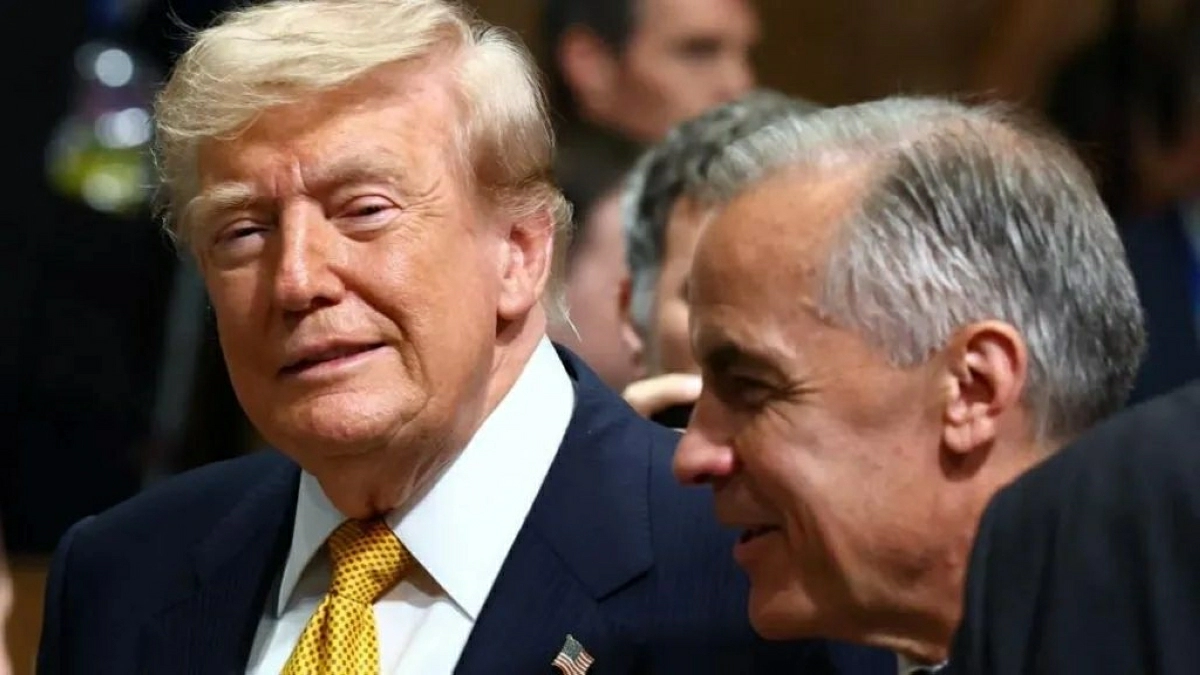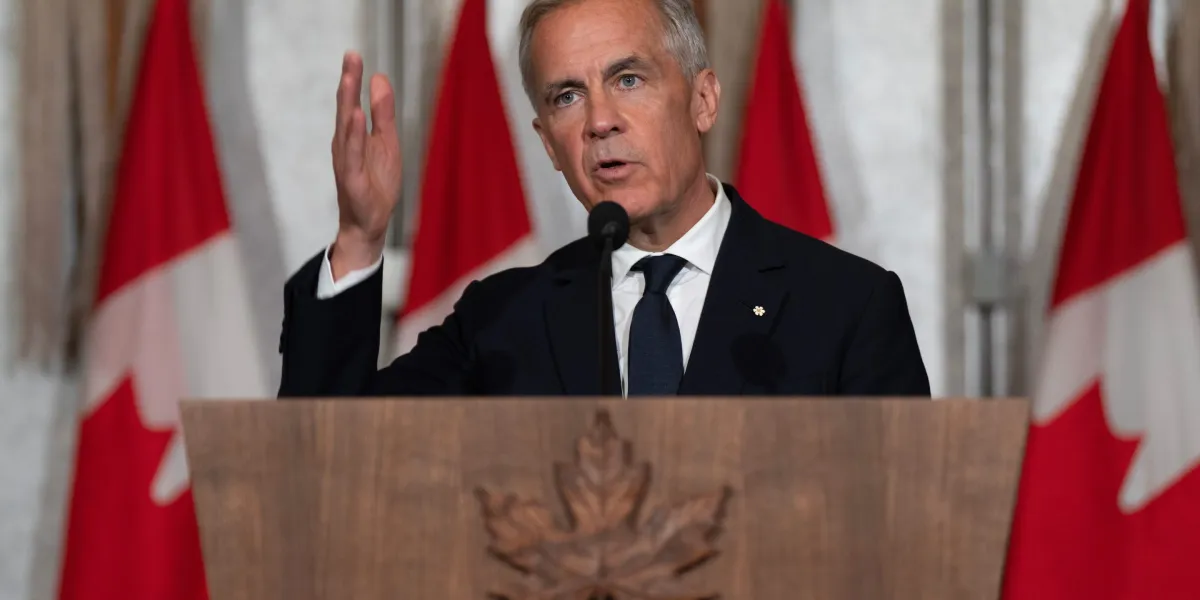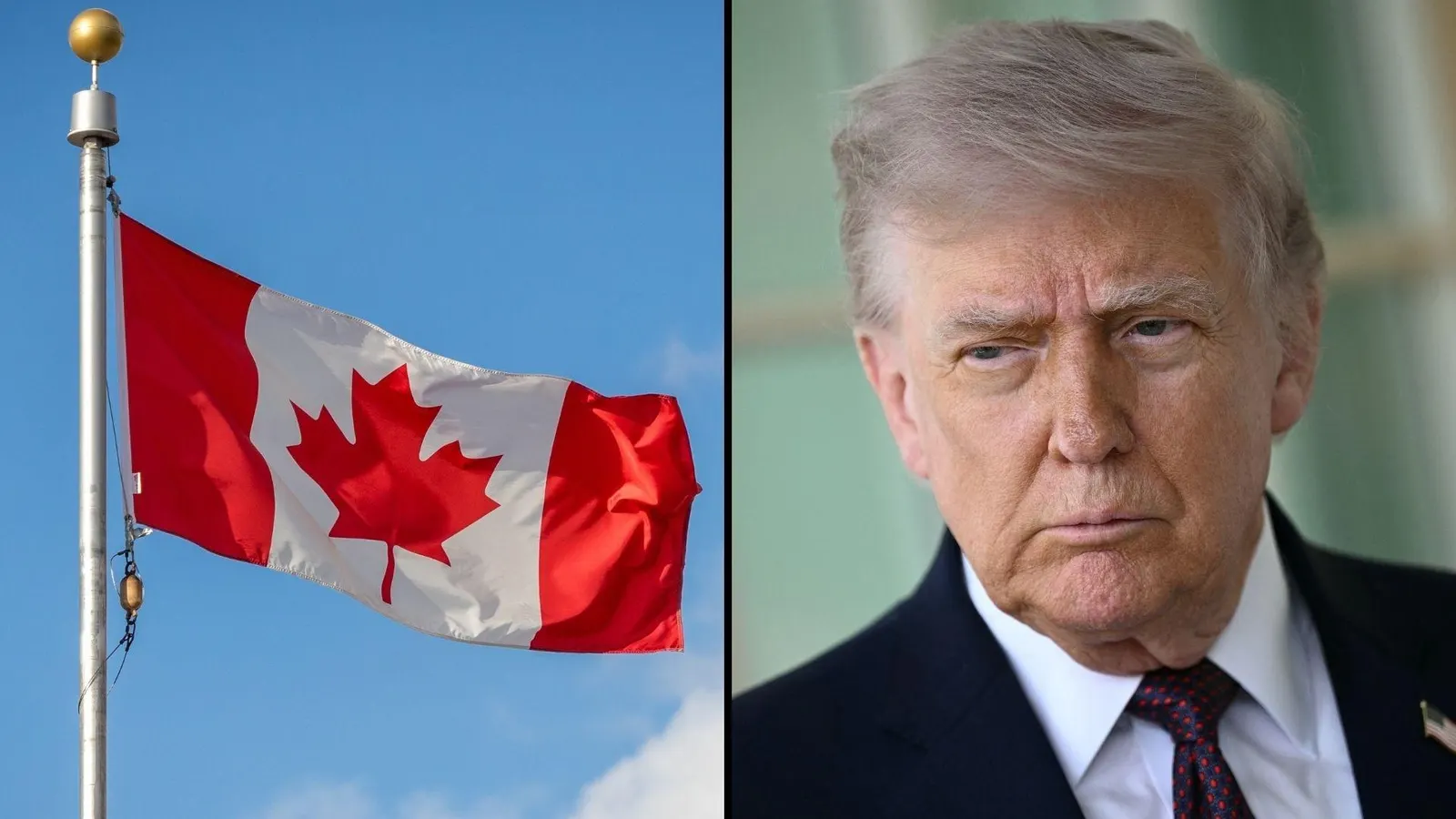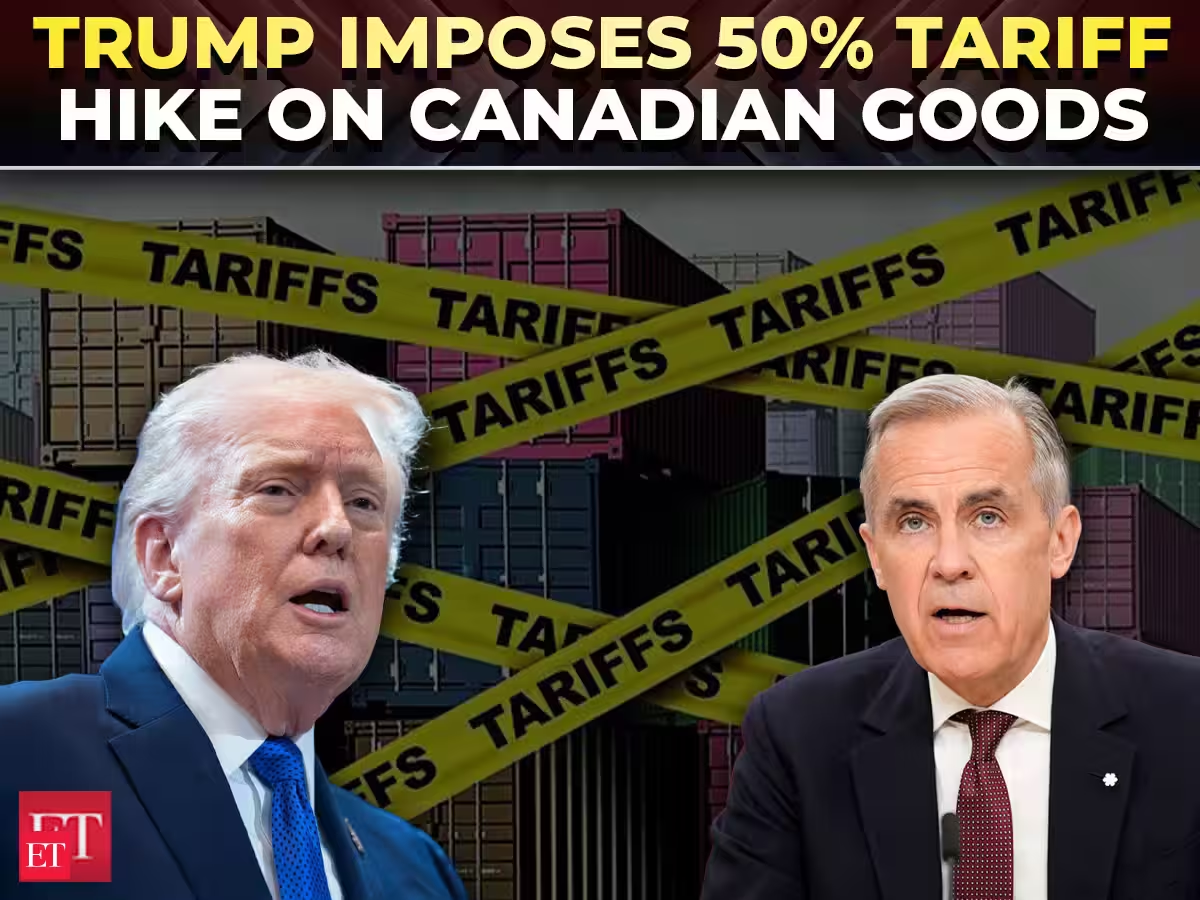
President Trump just dropped a 50% tariff hammer on a sweeping range of Canadian imports.
CIBC analysts are framing the move not as a final blow but as an opening salvo. The tariffs, signed into effect on July 20 via three separate proclamations under Section 338 of the Tariff Act of 1930, are designed to drag Canada into a new phase of trade negotiations.
What’s actually happening
The tariffs hit a remarkably wide range of Canadian goods. We’re talking wine, cement, hockey sticks, and products across the automobile, alcohol, and dairy sectors. The US grievance list reads like a greatest-hits compilation of trade complaints: perceived unfair treatment of American products in critical Canadian industries.
CIBC analysts warned back in March 2025 that prolonged tariff threats would slow economic activity north of the border. The escalation follows a turbulent stretch of trade maneuvering that began in early 2025. The US initially slapped 25% tariffs on Canadian goods, then adjusted and paused them. Earlier threats went even further: in January 2026, the administration floated 100% tariffs on Canadian goods if Ottawa maintained trade agreements with China.