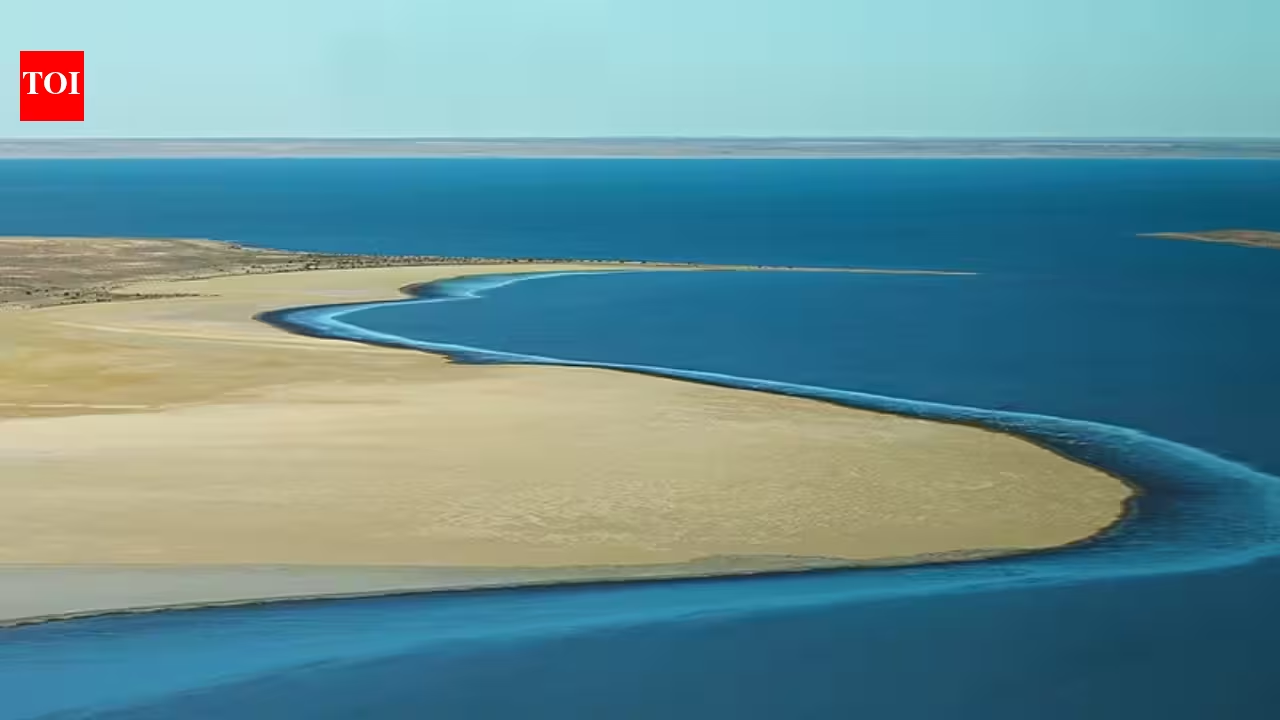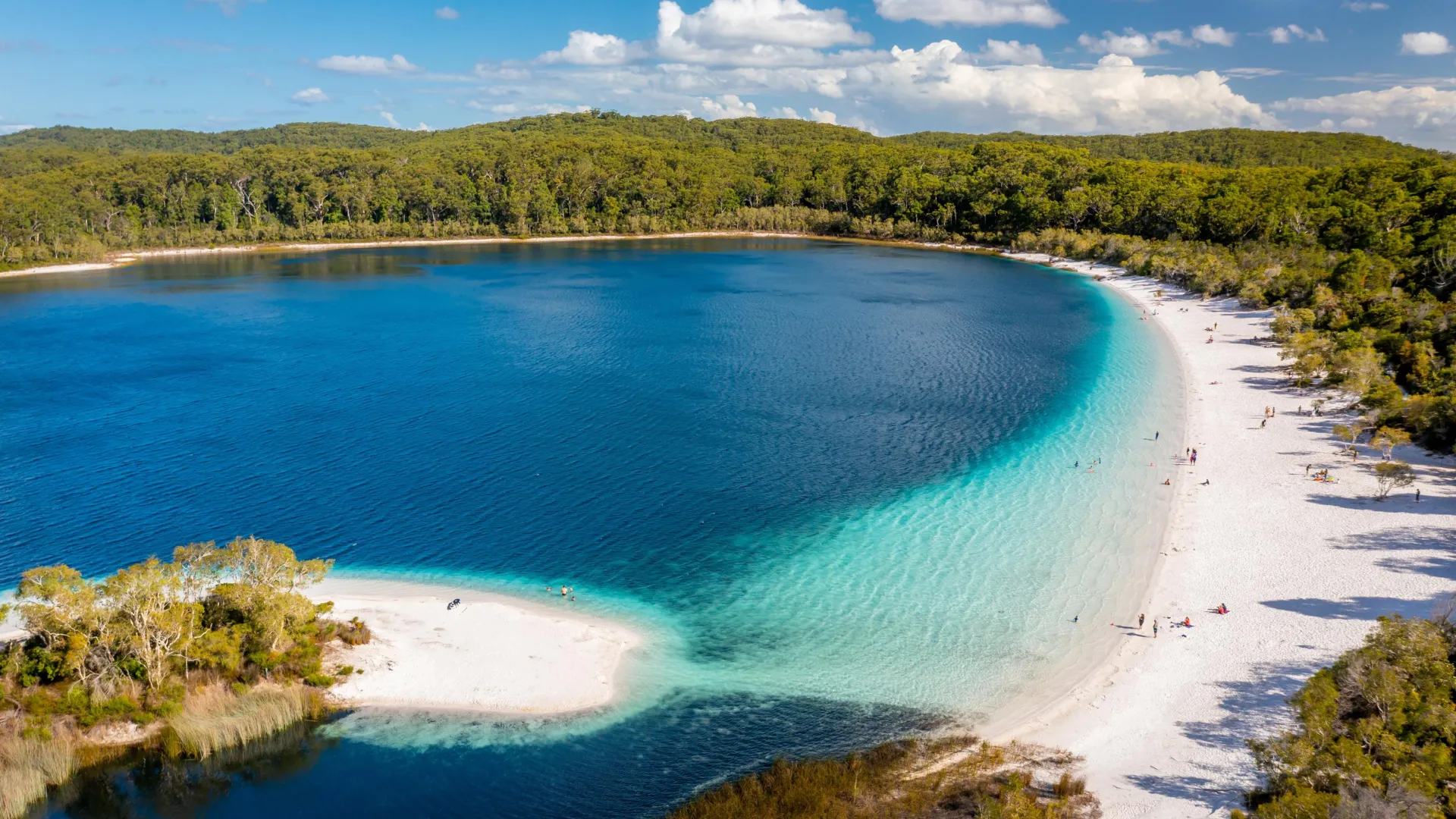
K'gari, the world's largest sand island, is celebrated for its striking freshwater lakes. New research from the University of Adelaide, however, suggests that even the island's largest and deepest lakes may be vulnerable to disappearing under certain climate conditions.
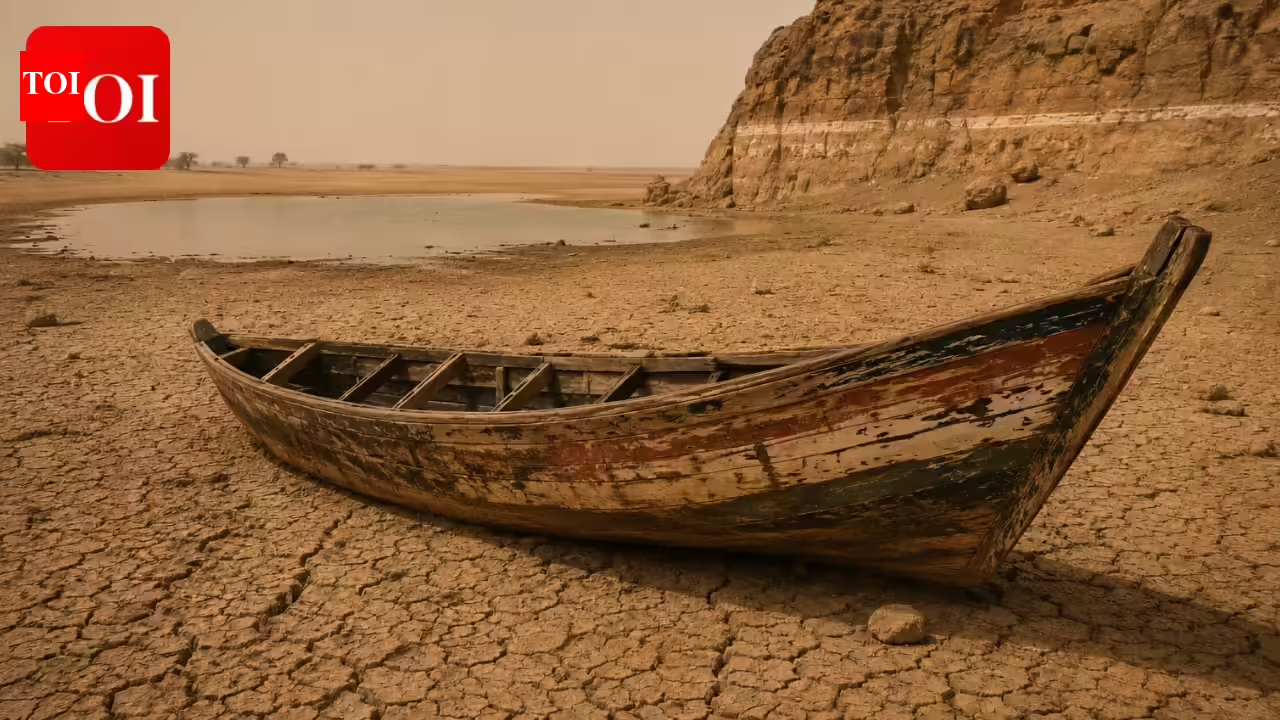
By examining ancient layers of lake sediment, researchers uncovered evidence that several lakes dried out roughly 7,500 years ago. This period, known as the middle Holocene, came thousands of years after the last Ice Age and was generally wetter than today.
Ancient Lakes Dried During a Wet Climate
"Our research shows that about 7500 years ago, at a time of higher rainfall and long after the end of the last Ice Age, some of K'gari's deepest lakes dried out," says lead researcher Associate Professor John Tibby, from the University of Adelaide.
Lake drying is not unusual in Australia, where long periods of low rainfall can cause water levels to fall dramatically. What surprised the researchers was that the ancient drying event on K'gari appears to have occurred during a relatively rainy period.