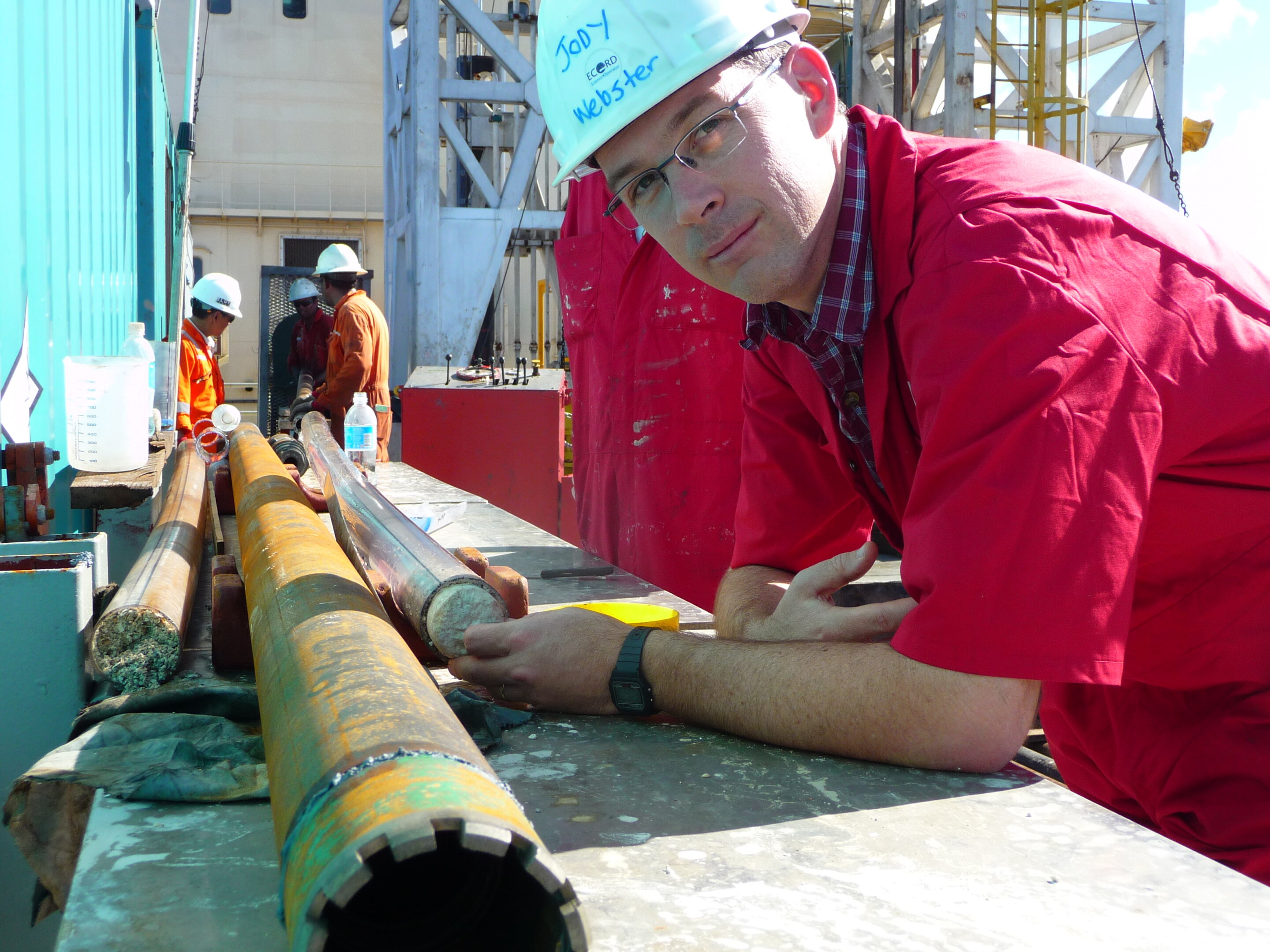
Professor Jody Webster from the University of Sydney examining a coral fossil core on IODP Expedition 325 in 2010. Credit: ESO IODP
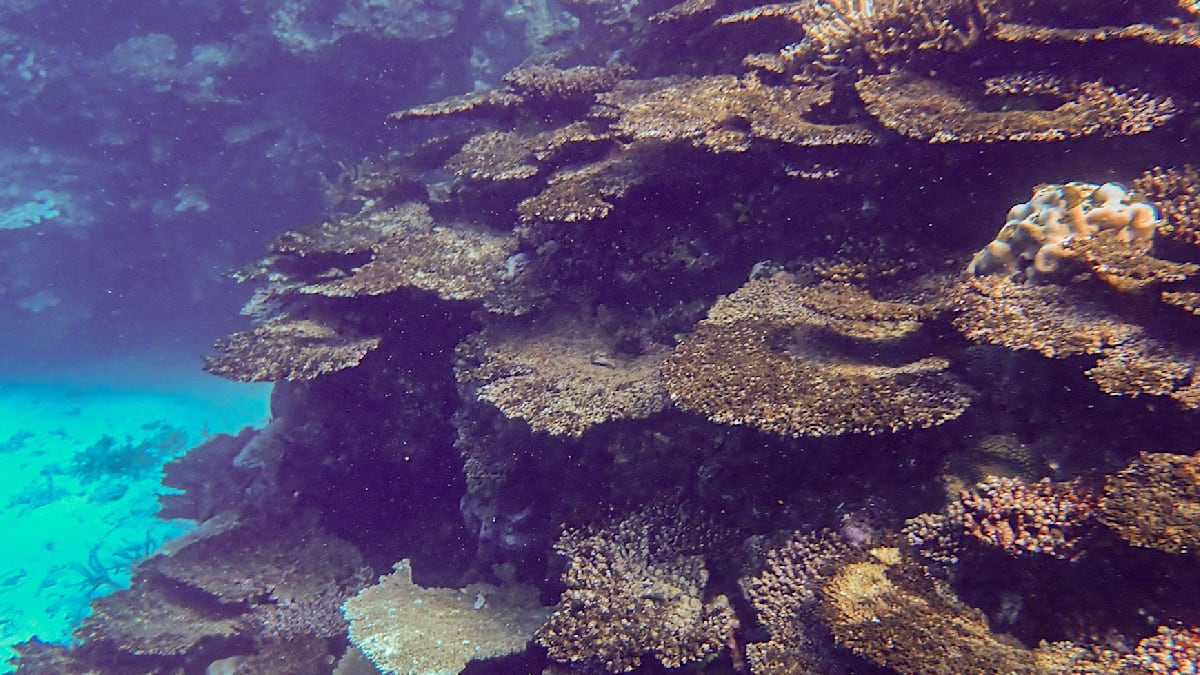
An international expedition including University of Sydney researchers has pieced together the clearest picture yet of how the Great Barrier Reef responded to dramatic environmental change over the past 30,000 years. Multiple studies since the expedition more than 10 years ago have traced the reef's retreat, regrowth and repeated collapse from the last ice age to the dawn of the modern reef.
Published in Marine Geology, a review paper synthesizes nearly 20 years of research stemming from the landmark Integrated Ocean Drilling Program (IODP) Expedition 325. This major international collaboration recovered fossil reef records from the outer Great Barrier Reef in 2010, bringing together specialists in reef geology, paleoecology, geochemistry, geophysics and climate science.
The expedition has led to more than 50 research papers from 40 institutions in 12 countries.
Professor Jody Webster from the University of Sydney's School of Geosciences, lead author on the paper and a co-chief scientist on Expedition 325, said the paper is the culmination of decades of work to understand how the reef has responded to major shifts in sea level, ocean temperature and environmental conditions.