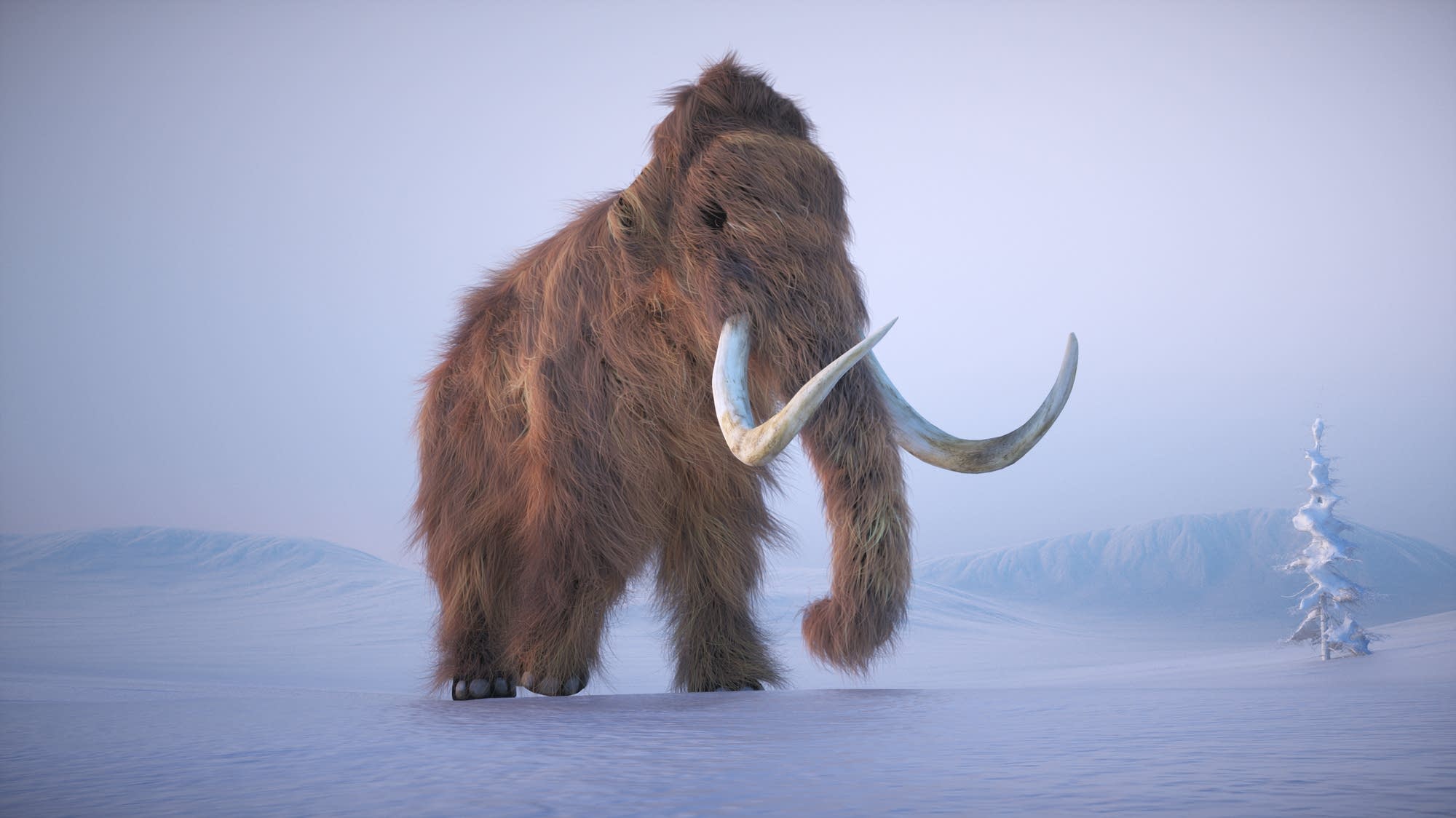
This week we’re sharing an episode of the Marketplace climate solutions podcast “How We Survive.” The new season is all about the controversial ways humans are tinkering with nature in an effort to save the planet, from shooting sulfur dioxide into the stratosphere, to launching sunshades into space. In this episode, host Amy Scott explores the wildest intervention to date: de-extinction.Colossal Labs is the $10 billion Dallas-based startup that’s on a mission to bring animals back from extinction. CEO Ben Lamm gives the “How We Survive” team a tour of the facility, where scientists are busy sequencing ancient mammoth DNA, engineering pigeons into dodos, and building what might be the world’s most ambitious Plan B for a planet in ecological freefall.“I don't think that human-caused climate events are going to slow down, and so I do think it's important that we have mitigation strategies against that, which includes de-extinction tools,” Lamm explained. “I'd rather have a de-extinction toolkit and not need it than need a de-extinction toolkit and not have it.”But not everyone agrees.“De-extinction, you know, that's a form of nostalgia; we're just going to bring these things back, and everything's going to be just the way it was. Well, that's, you know, obviously not true,” said Elizabeth Kolbert, Pulitzer Prize-winning journalist and author of “Under a White Sky.” Kolbert has spent a long time reporting on an uncomfortable pattern: every time humans try to “fix” nature, we tend to create a new mess that needs fixing.
Bonus: Should we mess with nature? From "How We Survive"
Every time humans try to “fix” nature, we tend to create a new mess that needs fixing.
247 words~1 min read