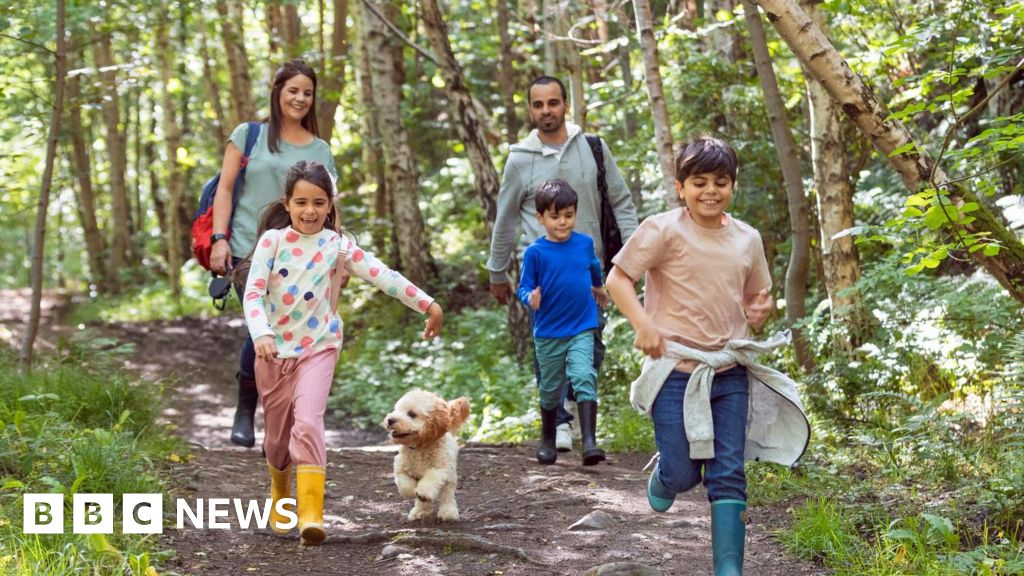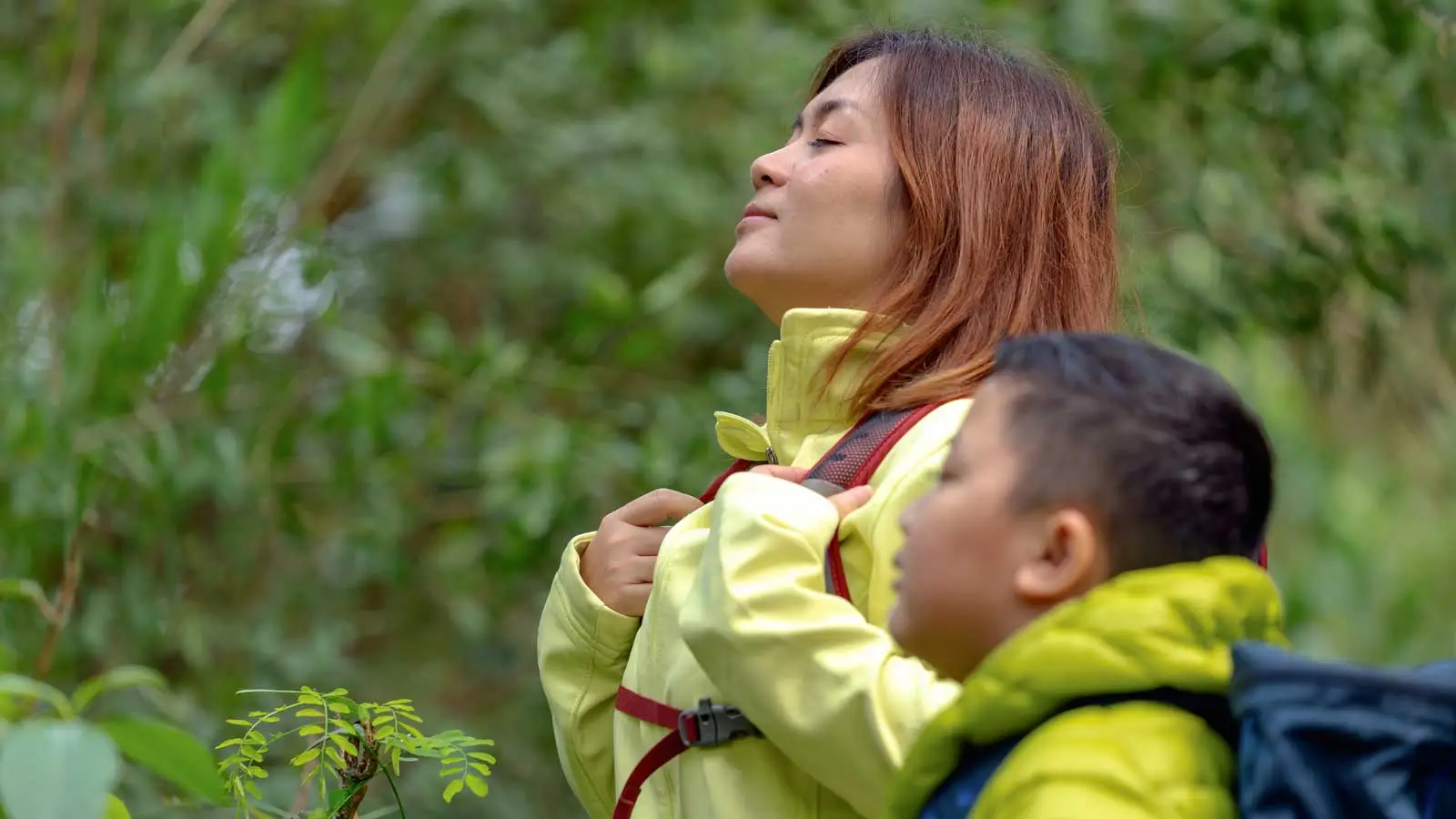
Most of us sense it without being told why: A walk in the woods or an hour in the park leaves us calmer, clearer, and restored. Increasingly, modern science agrees. A growing body of evidence links time in nature to better physical and mental health – and a major new effort is working to document exactly what that evidence shows.
That effort is called the Nature Record, and its survival is a story in itself. It began as the National Nature Assessment, a federal undertaking modeled on the long-running National Climate Assessment and mandated by a Biden-era executive order. Roughly 180 scientists volunteered to develop about a dozen chapters. The project had reached an early public-comment draft when the Trump administration canceled it. Rather than abandon the work, the authors decided to finish it independently under a new name, with foundation funding and National Academy of Sciences review.
Howard Frumkin, a physician-epidemiologist and a professor emeritus at the University of Washington, led the assessment’s chapter on human health. Yale Climate Connections spoke with him about how the report survived, what the science says about nature’s health benefits, why those benefits aren’t shared equally, and what it all means for communities and the healthcare system.