We might picture nature as being better off without us. On the ground the story is more murky
Don’t get Down to Earth delivered to your inbox? Sign up here to get the newsletter in full
If I ask you to conjure up a vision of “nature”, what comes to you? For most of us, I think our minds go to the pristine. Untouched rainforests, vast savanna grasslands, deep thickets, inaccessible mountains. Somewhere remote, somewhere uncontaminated, somewhere free of the touch of humans.
But those visions only represent a tiny fragment of the world’s biomes. The vast majority of the natural world – including more than 90% of temperate forest – has now been occupied by humans for thousands of years. We’ve radically reshaped nature with our presence, often in catastrophic ways.
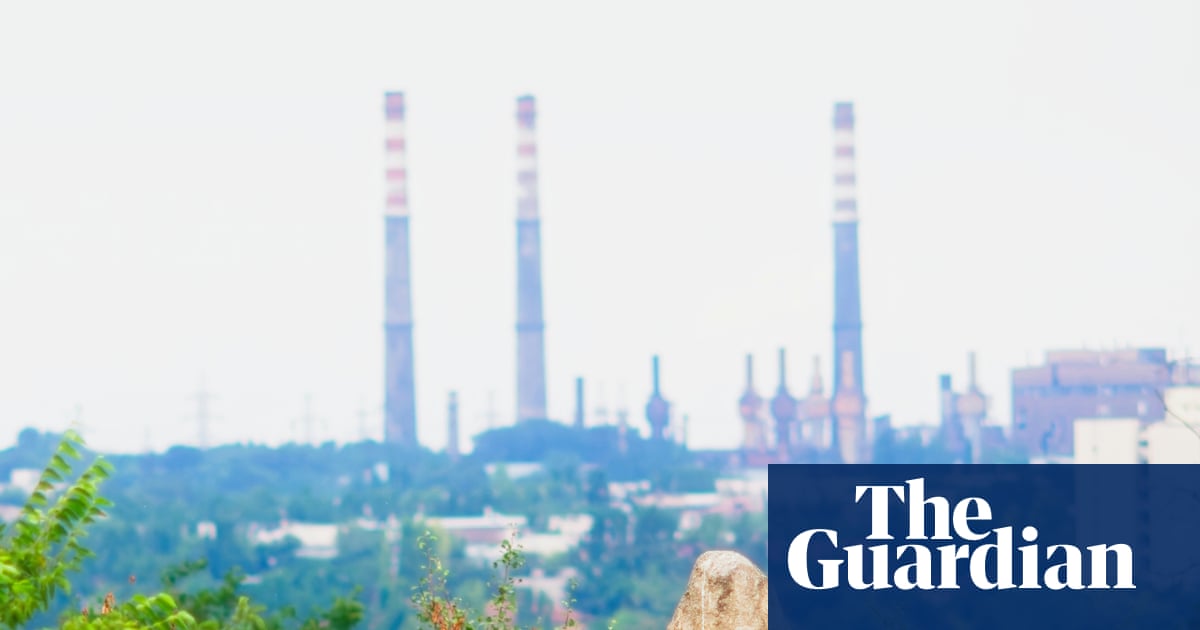
For this week’s newsletter, we’re looking at the strange ecologies of what happens afterwards. In a new Guardian series, called The aftermath, we’re examining how the natural world responds in the wake of enormous change: catastrophes, huge population shifts, eruptions, toxic spills, earthquakes or bombings. For damaged landscapes, what happens when the dust settles? And what can it teach us about how to rehabilitate ecosystems in a time of environmental crisis?