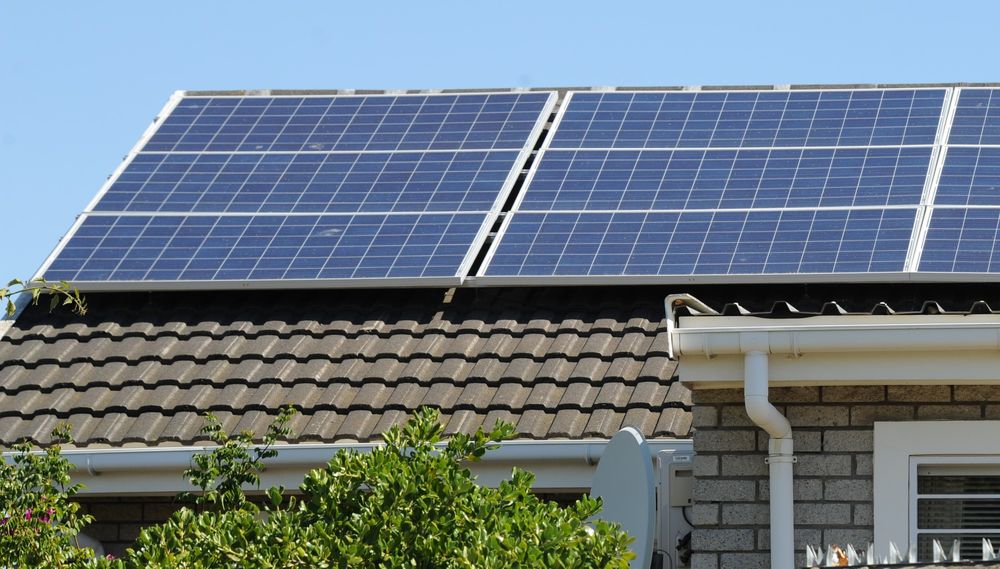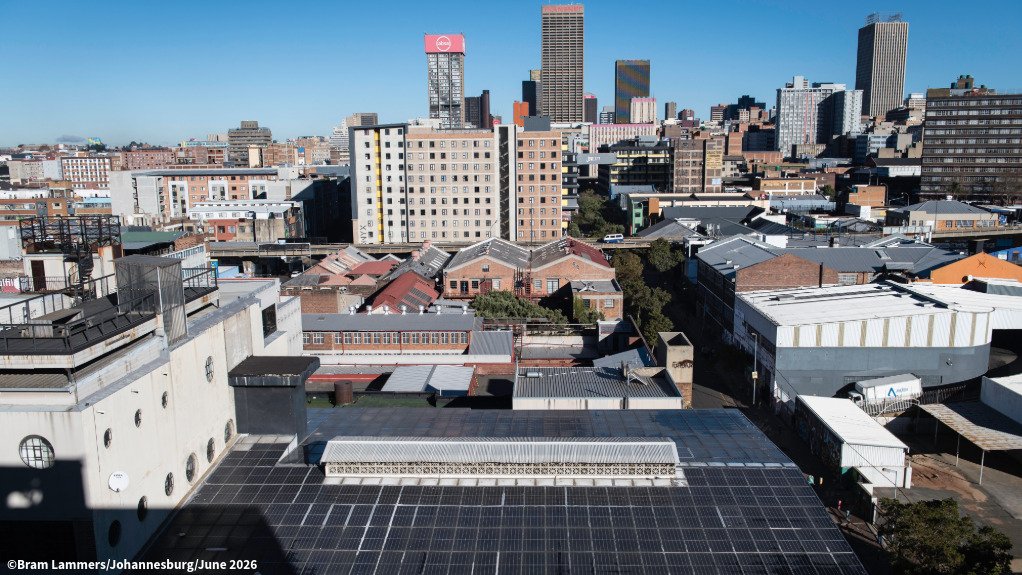
By adopting a cooperative rather than an oppositional stance towards rooftop solar, Gauteng municipalities in particular have an immediate opportunity to reduce the cost of their bulk purchases of electricity, a new report shows.
This cost saving could be amplified materially through the introduction of incentives to scale up installations and by leveraging leased battery energy storage systems (BESS).
Published by the Public Affairs Research Institute (PARI), the report shows that Johannesburg, Ekurhuleni and Tshwane accounted for over half of the more than 2 260 MW of rooftop solar installed by December 2024.
This installed base represents a potential source of cost reduction that could be accessed relatively quickly and easily, as most residential installations produce ‘excess’ electricity on average over a 12-month period, which is curtailed because it has nowhere to go.
This excess electricity, the report states, is potentially available to municipalities at a rate almost half that which is currently paid to Eskom through the Megaflex tariff.