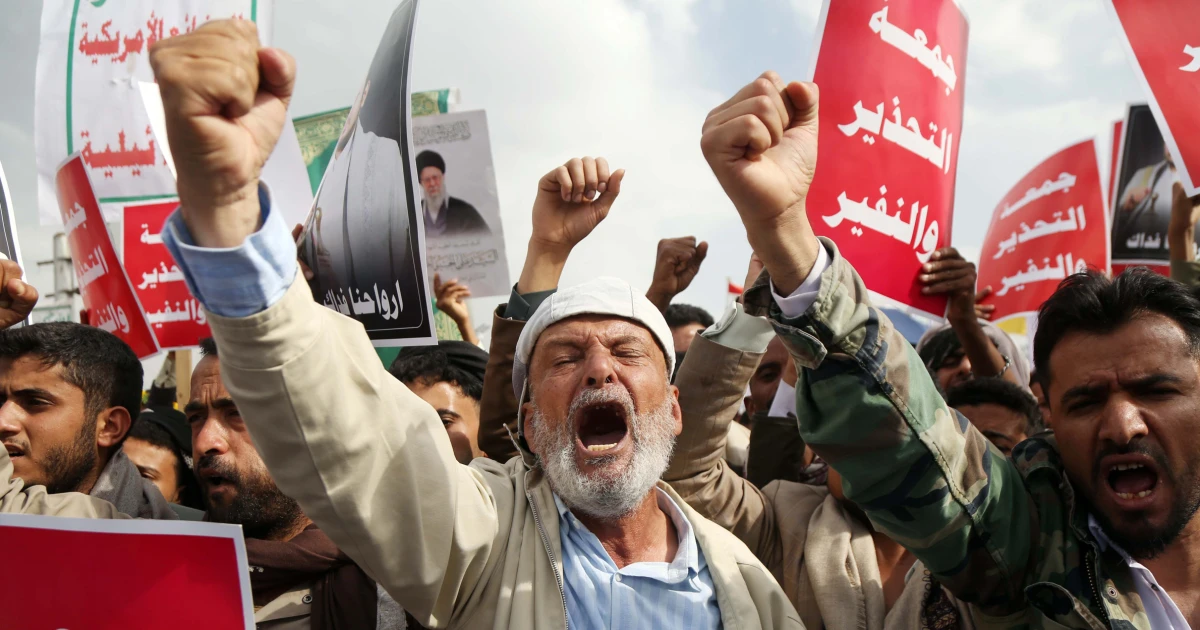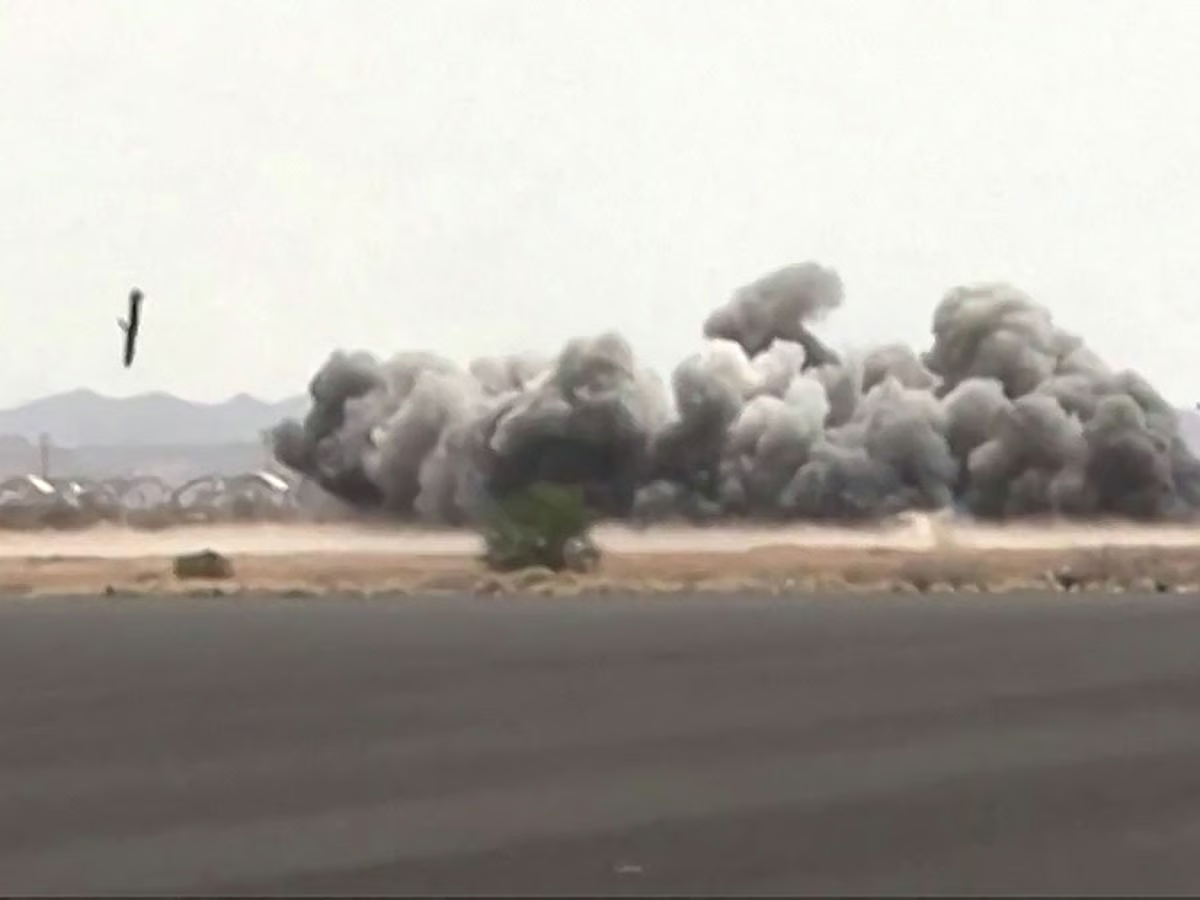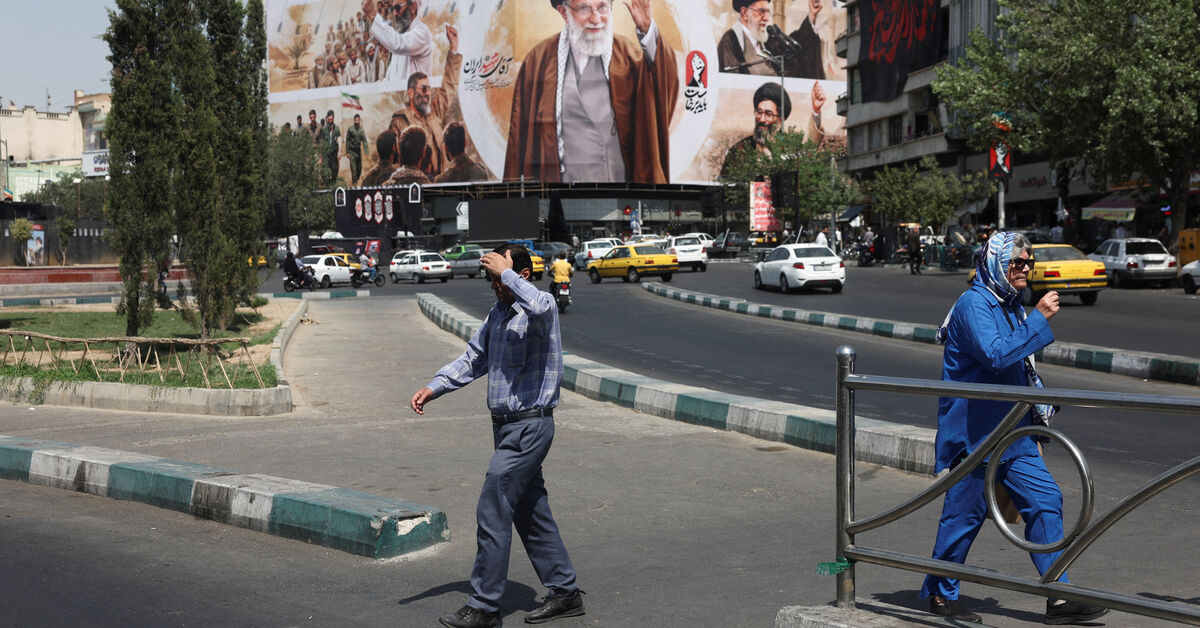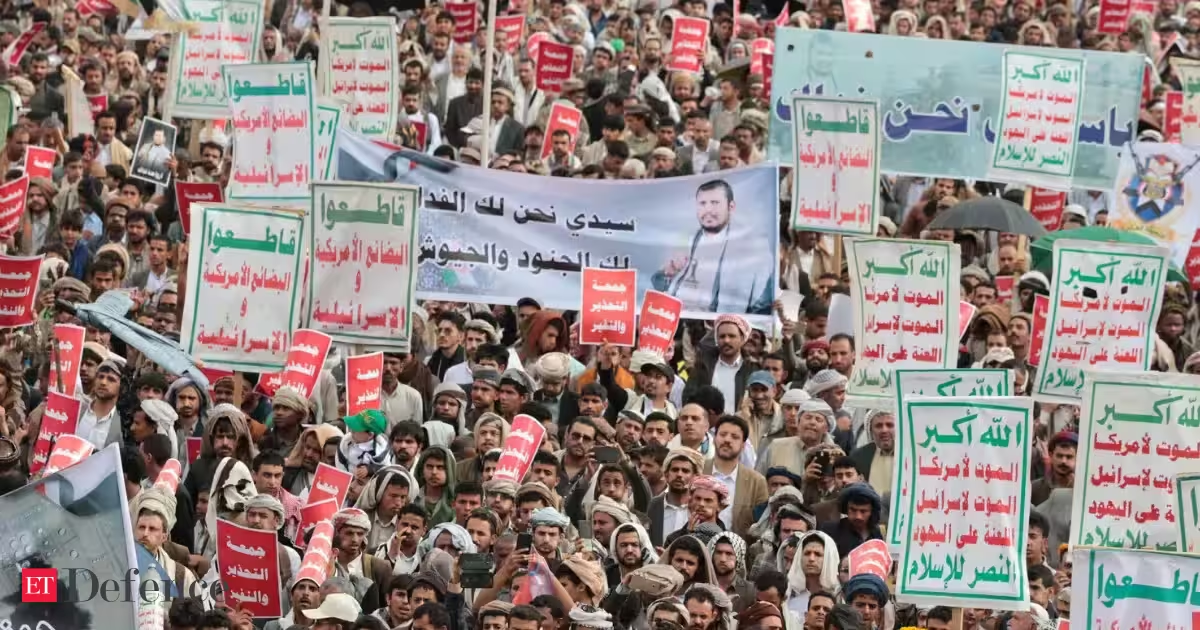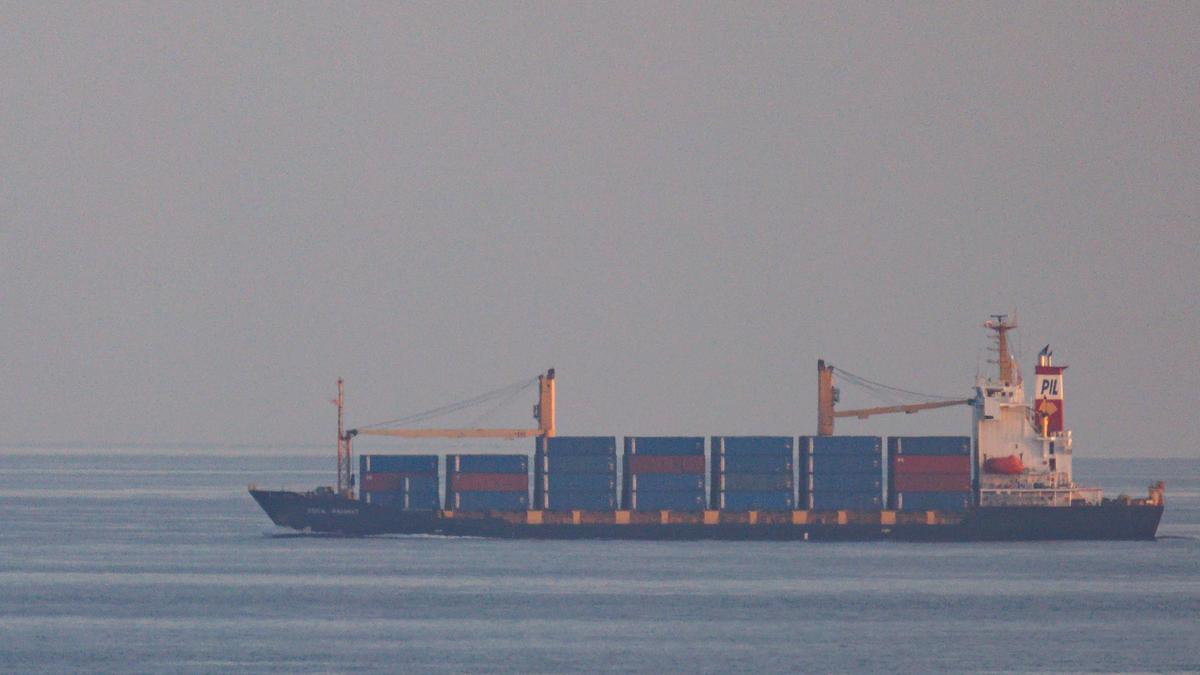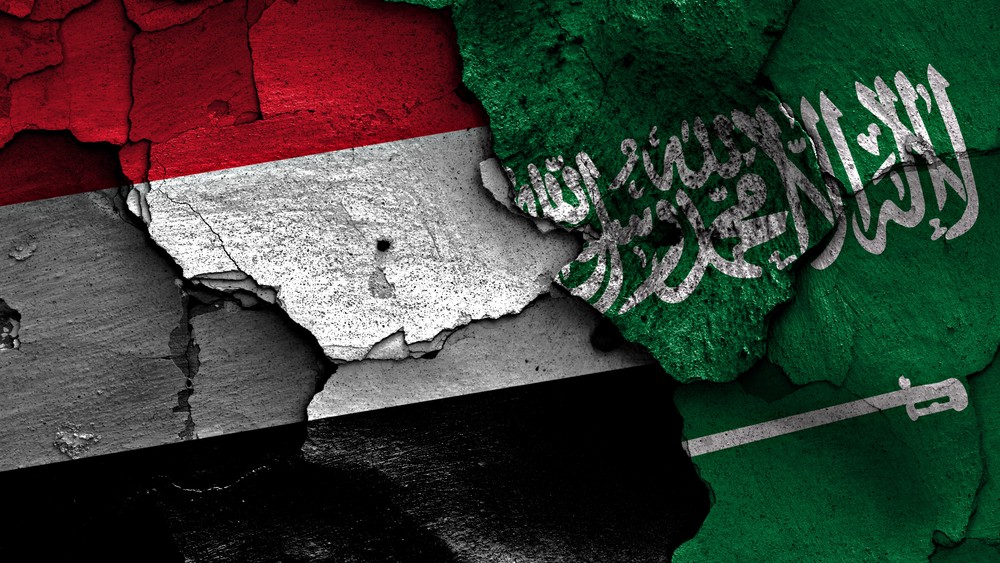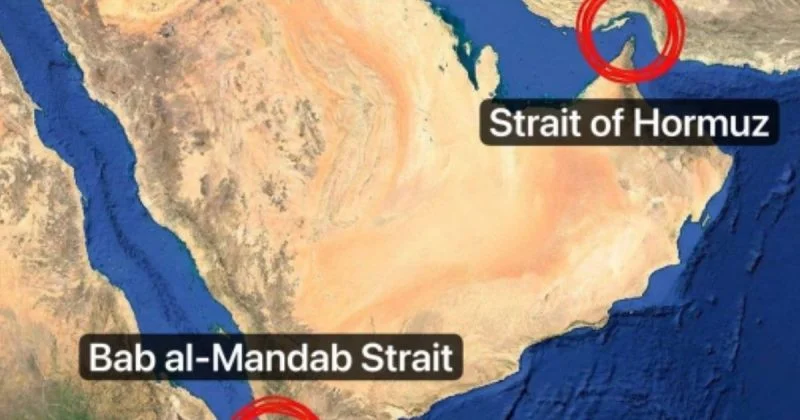
Yemen’s Houthi forces declared an immediate naval blockade against Saudi Arabia on July 20, targeting the Bab el-Mandeb Strait, one of the most critical chokepoints for global energy trade. The move puts roughly 7% of the world’s oil supply in the crosshairs of a militia group that has already demonstrated its willingness to attack commercial shipping.
What happened and why it matters
The Houthis, an Iran-aligned group that has controlled large swaths of Yemen since 2014, framed the blockade as retaliation against Saudi Arabia. Their leadership described the action as “an eye for an eye” against what they called the “criminal Saudi enemy.” The announcement follows the collapse of a four-year truce between the Houthis and the Saudi-led coalition.
Saudi Arabia had already been rerouting oil exports to Red Sea ports like Yanbu after tensions in the Strait of Hormuz made Persian Gulf shipping lanes less reliable. Saudi planners now face the possibility that both of their primary export corridors are compromised simultaneously.
Prediction markets have responded accordingly, with increased probabilities being assigned to successful Houthi shipping attacks in the Red Sea region. The likelihood of normalizing traffic through the Strait of Hormuz by the end of July has also dropped, suggesting traders see dual-front disruption as a genuine scenario rather than a distant risk.