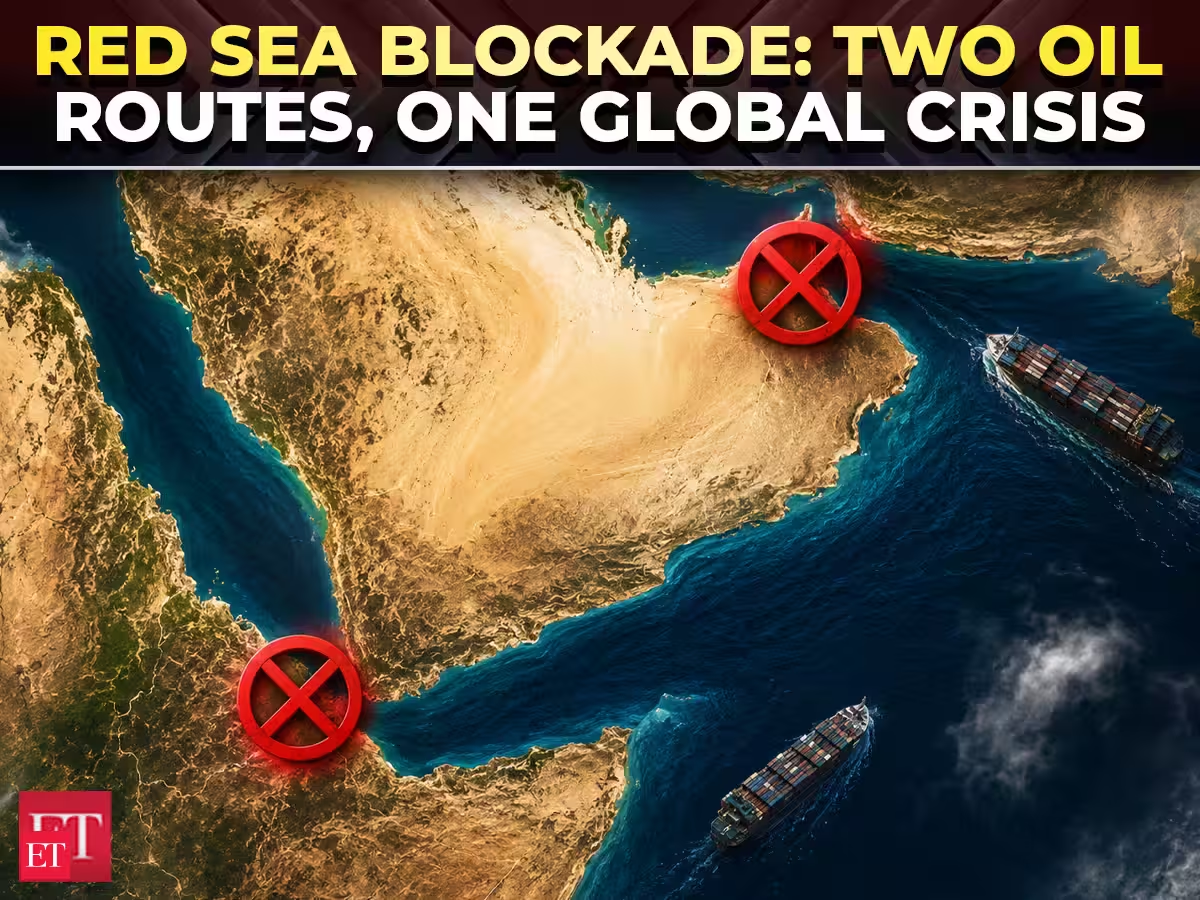
With approximately 6-7 million barrels per day transiting the Bab el-Mandeb, any escalation in tensions could have immediate and far-reaching consequences for regional energy markets.
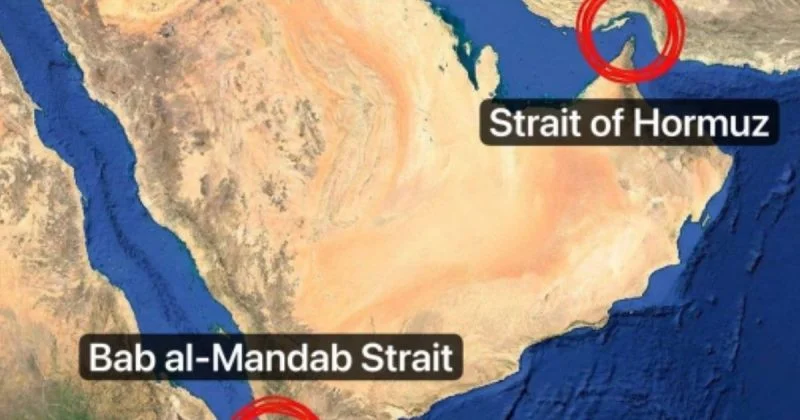
The Houthis threat to block Saudi Arabia’s crude oil cargoes through the Bab el-Mandeb Strait can adversely impact refined products supply and overall availability of crude oil while pushing up freight costs, a scenario that can further inflate India’s already high energy import bill, if the blockade extends.Already, by Wednesday evening, Brent prices were trading at $93.82 per barrel and WTI was at $86.68 a barrelRefiners and trade sources said the scenario where the traffic is again thinning along the Strait of Hormuz (SoH) coupled with blockade of the Bab el-Mandeb Strait — world’s two most important energy choke points — will inflate crude oil prices as Saudi Arabia is a major supplier to Japan and South Korea.Besides, prices of diesel cracks will rise further as refined product supply will also be threatened if the blockade continues. Another issue will be shipping rates as vessels will have to take longer voyages to bypass the choke points, which would tie up more tanker capacity and increase delivered freight costs for Asian refiners.Strategic chokepointKpler emphasised that Red Sea has emerged as a strategic chokepoint on par with the SoH for Asian refiners. Any escalation would directly threaten refinery runs, crude availability, freight costs, and regional product supply.Nearly 6-7 million barrels per day (mb/d) of crude currently transits the Bab el-Mandeb, with flows predominantly moving north to south. Around half of these volumes are Saudi crude loaded from Yanbu, while most of the remainder is Russian crude bound for India, with smaller volumes heading to China, it added.Sumit Ritolia, Kpler’s Lead Research Analyst for Refining and Modeling pointed out that Saudi Arabia has significantly expanded its bypass of the SoH, with Yanbu exports reaching 4.14 mb/d in June 2026, effectively rerouting around 64 per cent of the volumes traditionally exported via Ras Tanura.“While this reduces reliance on the SoH, it also makes the Red Sea/Bab el-Mandeb corridor increasingly critical. Escalation and disruption would have immediate consequences for Asian refiners, particularly India, South Korea and Japan, which rely heavily on these crude flows,” he added.S&P Global Energy said Houthis’ threat of a maritime embargo on Saudi Arabian ports in the Red Sea could raise the possibility of wider confrontation in the broader US-Iran conflict. Such a move could threaten navigation to key Saudi Red Sea ports, including Yanbu, Jeddah and Jizan.Published on July 22, 2026