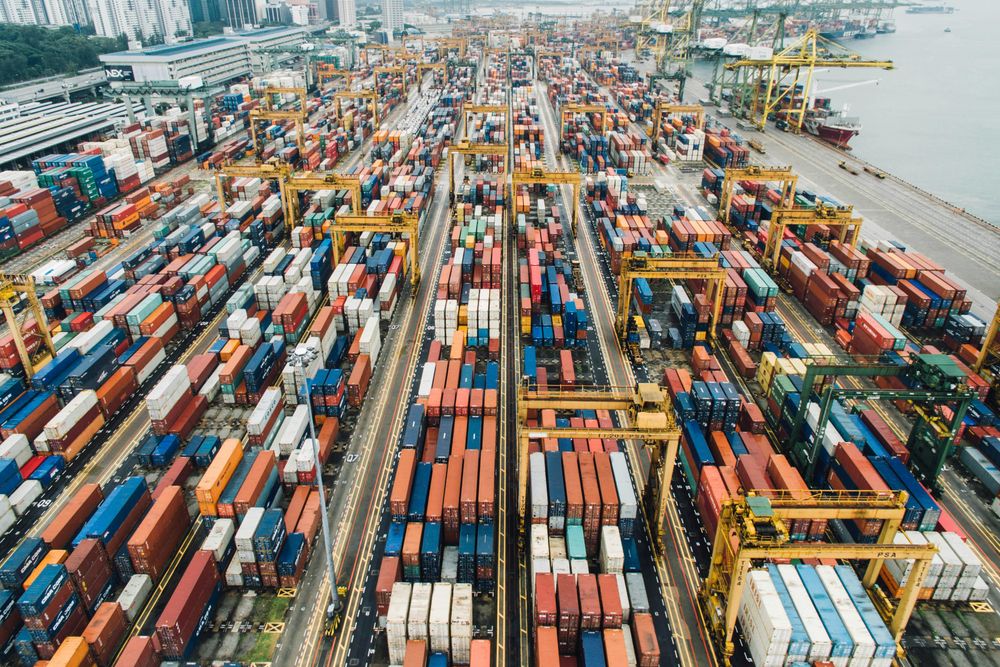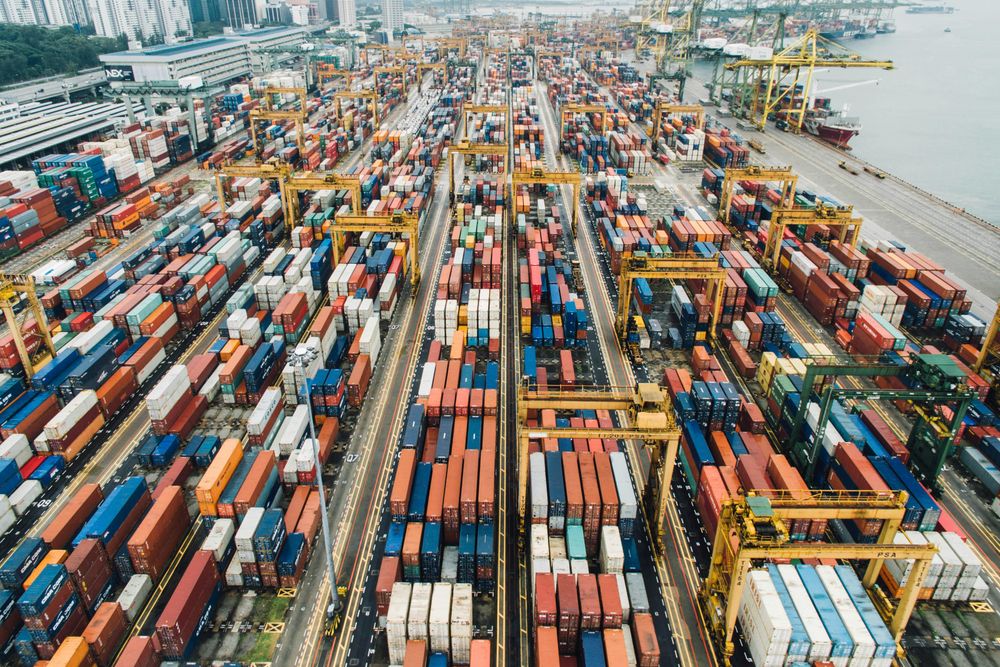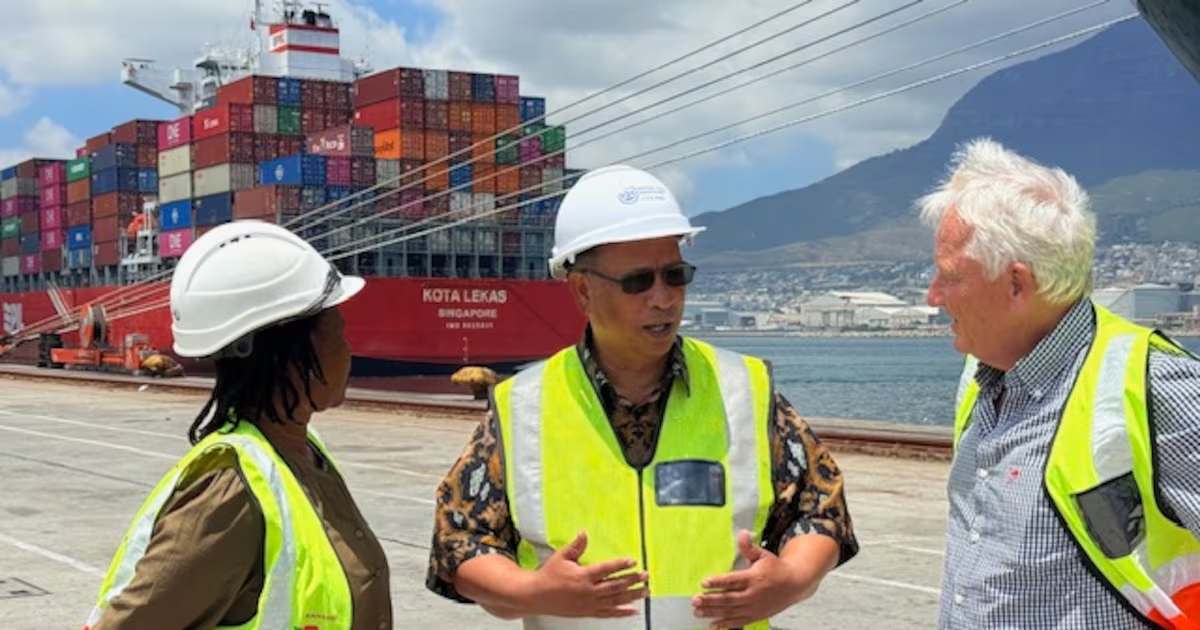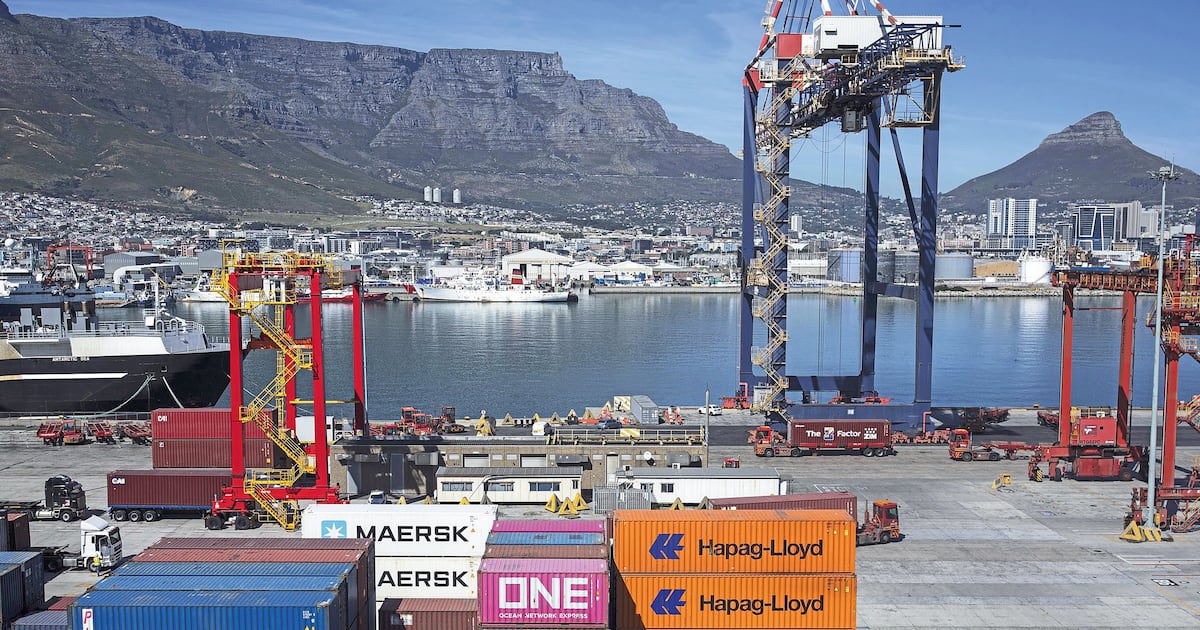
South Africa’s supply chains are straining under the weight of their own complexity. In June, the World Bank and S&P Global’s Container Port Performance Index ranked Cape Town last among 400 ports worldwide, with Durban close behind — inefficiencies that cost deciduous fruit exporters alone more than R4bn in lost revenue and added costs in the 2025/26 season.
Behind such failures sits a deeper, quieter problem: the country keeps asking its supply chain practitioners for ever more sophisticated work without a professional system to develop, accredit and support them. Yet the remedy has already been designed and paid for. It has simply never been used.
We know this because we helped build it. In 2020, we served on a national project team, jointly commissioned by the National Treasury and the German development agency GIZ, that developed a competency framework and technical standards for professionalising supply chain management (SCM) in South Africa. The project involved extensive consultation in the public and private sectors, as well as international benchmarking. Its purpose was to give the proposed Supply Chain Management Council of South Africa (SCMCSA) a credible, standardised professional framework to implement.