Southern Africa’s supply chain networks face significant disruptions driven by geopolitical tensions and rising cyber threats. As costs soar and operational challenges mount, businesses must adapt strategically to safeguard their futures.
In a world marked by uncertainty, businesses in Southern Africa are grappling with an evolving landscape of supply chain management. The latest Chartered Institute of Procurement & Supply (CIPS) Pulse Survey, conducted for the second quarter of 2026, reveals that while concern over supply chain disruptions has slightly receded from record highs, the risks stemming from geopolitical instability remain significant. For organisations across Southern Africa, it is essential to remain vigilant.
The findings from the CIPS survey indicate that procurement and supply chain professionals are experiencing unprecedented levels of anxiety. With short-term concern over disruptions decreasing slightly, both current and long-term worries remain alarmingly elevated. This suggests that businesses are adapting to a "new normal" characterised by ongoing global unpredictability rather than a steady return to stability.
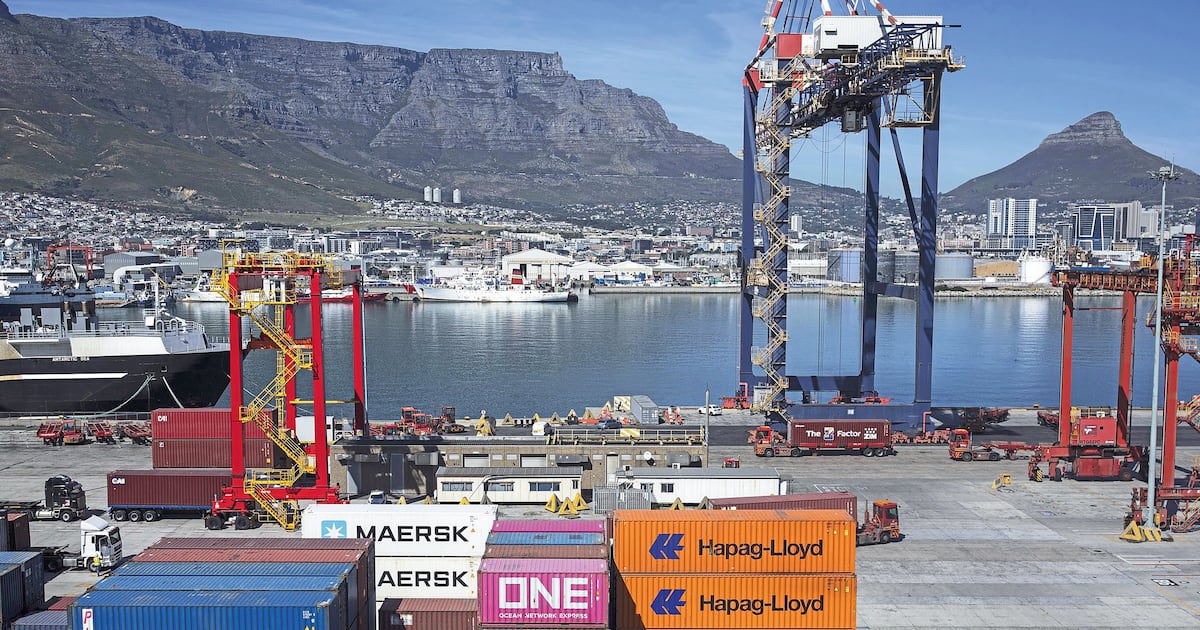
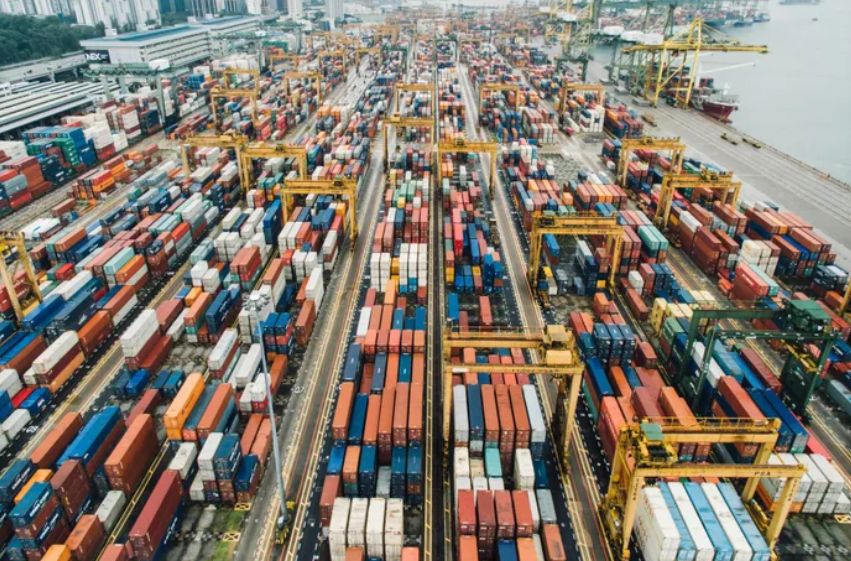
Southern Africa's reliance on international supply chains creates a unique set of challenges. The region’s heavy dependence on imported fuel, industrial equipment, chemicals, pharmaceuticals, and various manufacturing inputs highlights the critical need for uninterrupted logistical operations. Major industries such as mining, agriculture, automotive manufacturing, and retail rely on these global networks to sustain their competitive edge.