Story audio is generated using AI
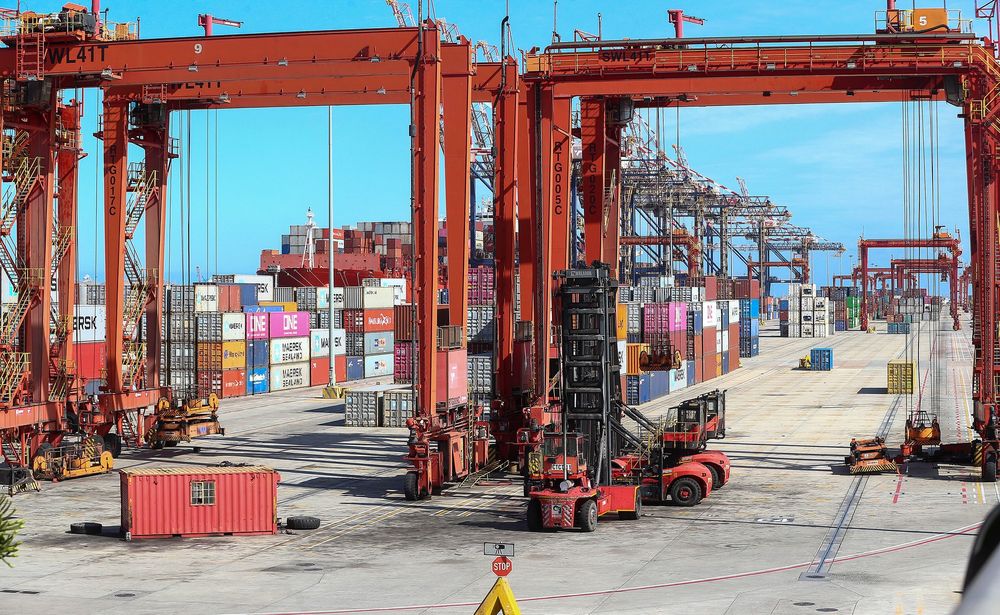
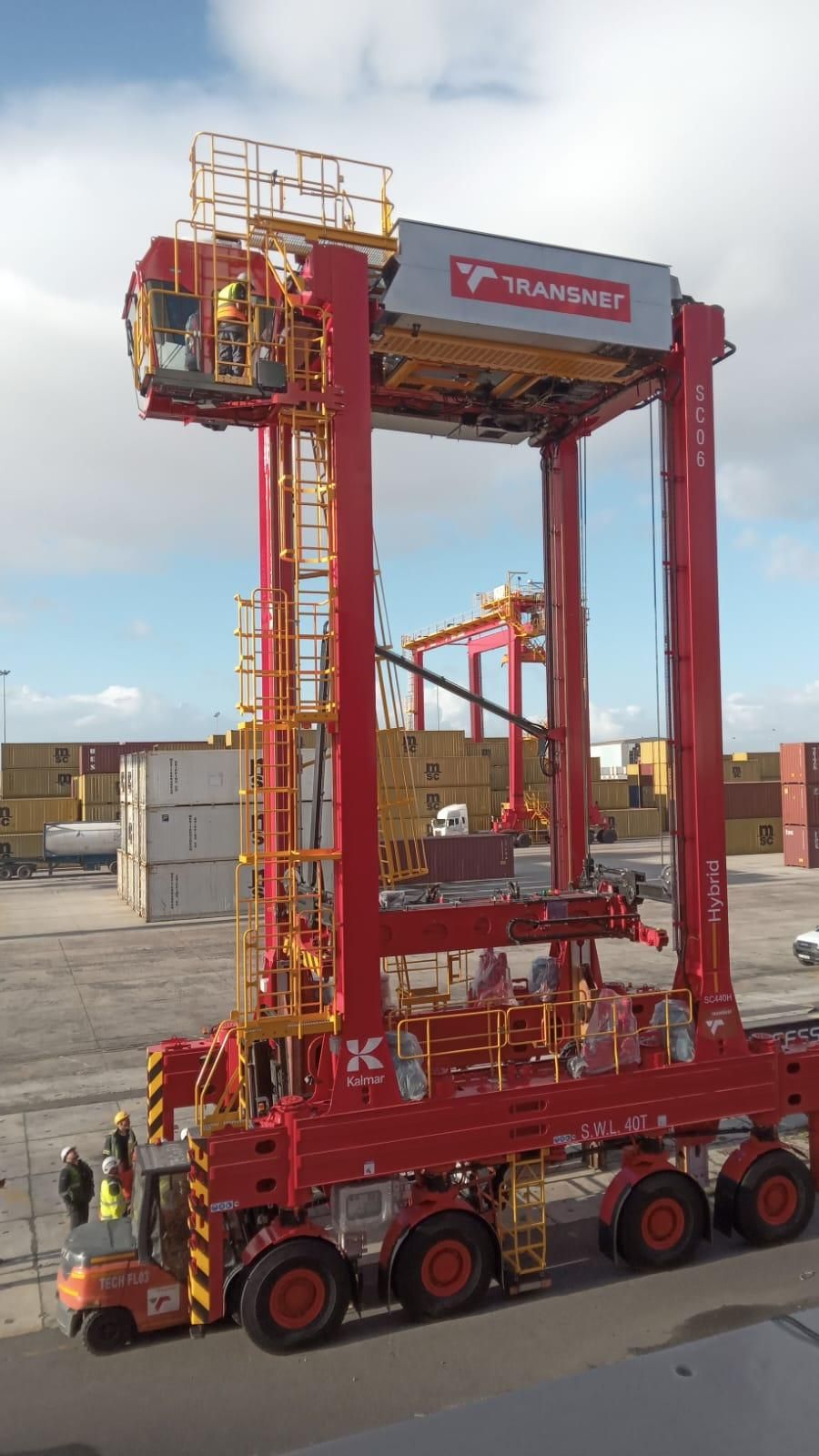
The Western Cape government has outlined four interventions aimed at improving efficiency at the Port of Cape Town after it was again ranked last out of 400 global container ports in the World Bank’s Container Port Performance Index (CPPI) 2025.Western Cape agriculture, economic development & tourism minister Ivan Meyer said the ranking underscored the need for urgent and co-ordinated action to strengthen performance, improve reliability and boost South Africa’s trade competitiveness.The province plans to engage the World Bank on the methodology used in the index, intensify discussions with Transnet entities on reducing vessel turnaround times, work with port users to ease congestion, and place port performance at the centre of the 2027 Port of Cape Town stakeholder dialogue.However, Transnet said a range of interventions already under way at the port had resulted in measurable improvements in performance despite weather-related disruptions.Speaking to Business Day, Transnet said: “The Port of Cape Town has made significant progress over the past few years through a combination of infrastructure interventions, operational improvements and stronger collaboration with terminal operators and other key stakeholders.” One of the initiatives was a comprehensive wind study undertaken by Transnet National Ports Authority to better understand and mitigate the impact of adverse weather conditions on operations. According to Transnet, the study has resulted in the development of an enhanced wind prediction model that has been integrated into port and terminal weather systems to improve operational planning and recovery following wind-related disruptions.The state-owned logistics group said it had also invested in equipment aimed at improving efficiency. Ten shore tension units have been permanently deployed at the Cape Town Container Terminal, reducing long-wave-related downtime by 92% since the 2023/24 financial year.The Cape Town Container Terminal, operated by Transnet Port Terminals, has also benefited from new equipment, including four hybrid straddle carriers, while operational improvements have included maintaining full seven-gang operations, maximising gate utilisation and strengthening engagement with industry stakeholders.Transnet said the port had recorded consistent improvements in ship turnaround times, with the average time declining from 103 hours in 2023/24 to 83 hours in 2024/25 and 74 hours in 2025/26. Performance has continued to improve in this financial year, with year-to-date ship turnaround times averaging 58 hours.The improvements have been driven by higher terminal handling rates and the elimination of marine-related delays, according to Transnet.The Western Cape government said data from its Digital Logistics Planning Platform showed vessel port call times have improved by 33% in the year to date compared with the same period in 2025.Meyer said the figures demonstrate that targeted interventions can deliver results. “Our focus now is to sustain and accelerate these improvements through strong partnerships and data-driven decision-making,” he said.The provincial government’s proposed interventions include comparing port call data used by the World Bank with information from the Digital Logistics Planning Platform, improving vessel sequencing and container stack management, reducing landside congestion and increasing co-ordination between exporters, importers and logistics operators.The province also wants greater private sector participation in terminal operations and plans to invite the World Bank and industry leaders to participate in future stakeholder engagements.Transnet said it has signed a memorandum of understanding with the Port of Antwerp-Bruges International and the Antwerp/Flanders Port Training Centre to introduce global best practices, technical training, benchmarking and advisory support.According to Transnet, the collaboration is intended to improve the resilience, productivity and competitiveness of the Port of Cape Town through stronger workplace co-operation, continuous improvement and strategic port management.Meyer said improving efficiency at the Port of Cape Town remains critical for unlocking export growth, protecting jobs and strengthening the Western Cape’s position as a trade gateway.