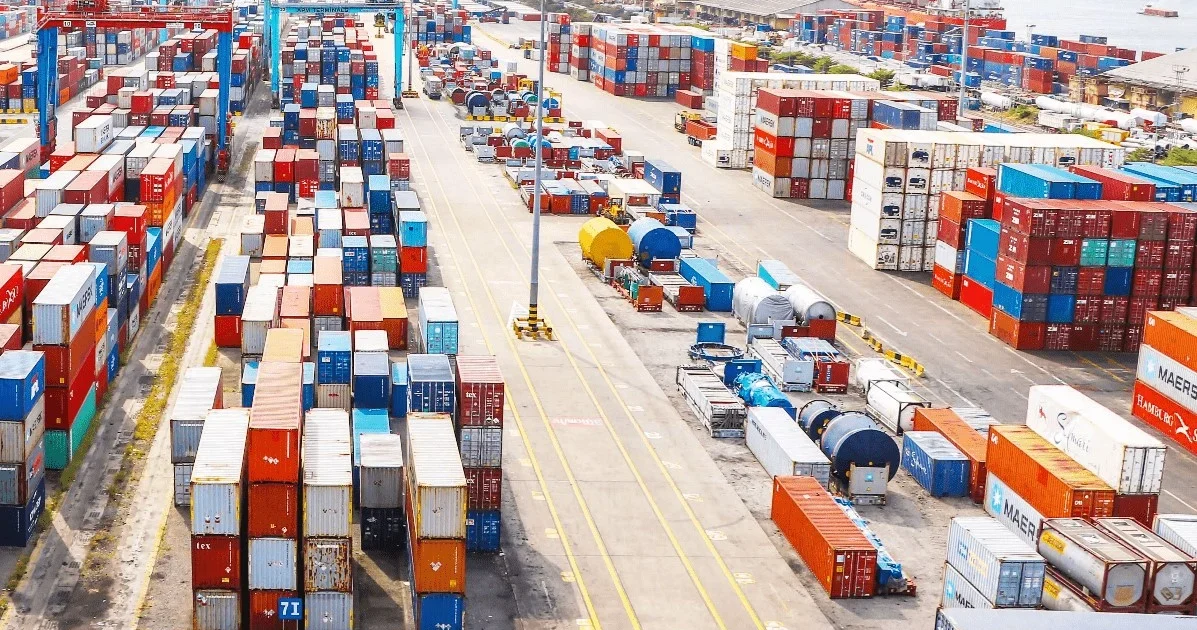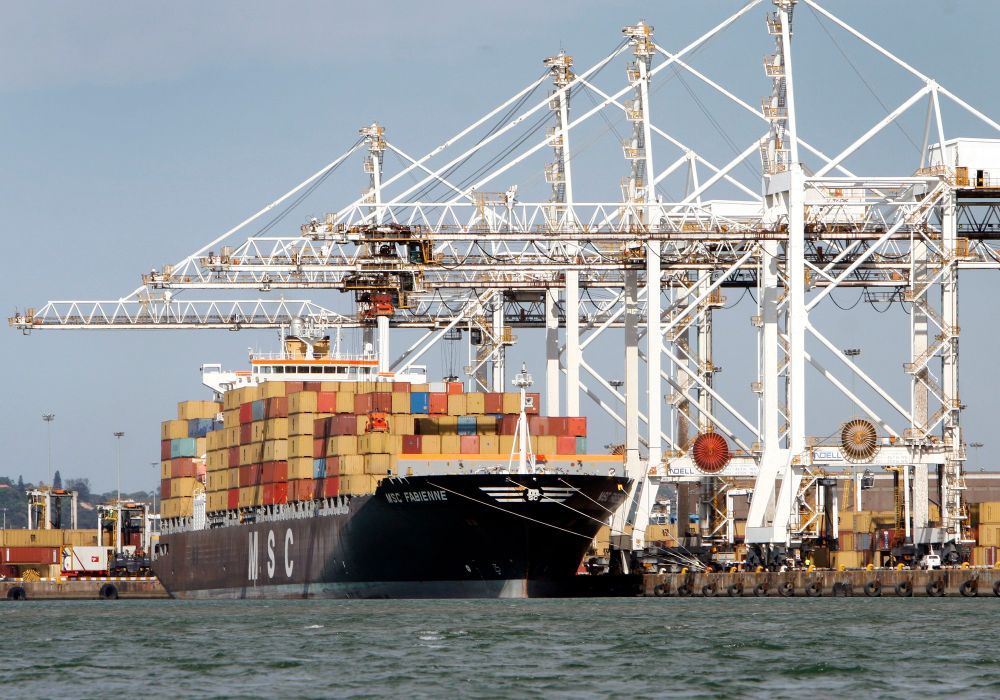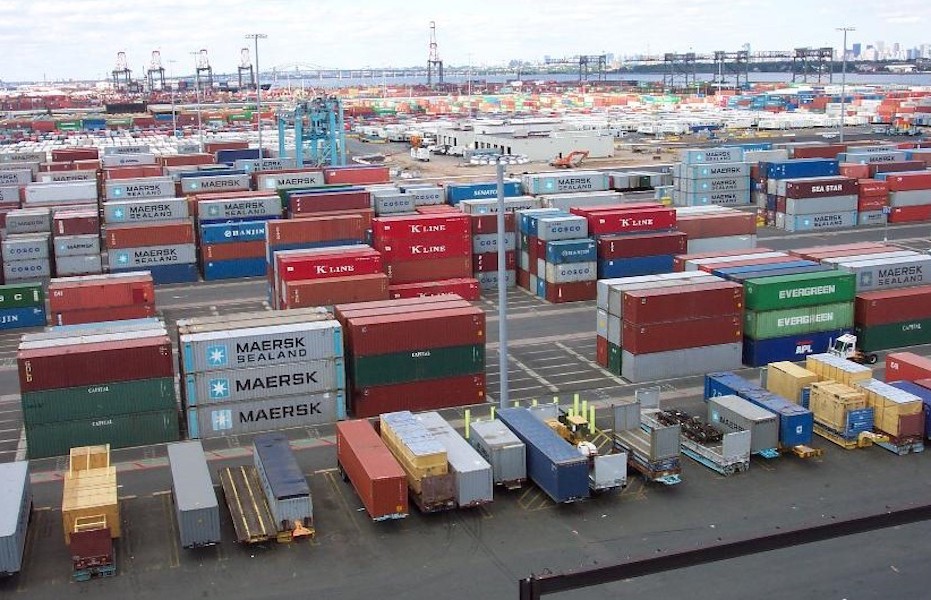
The latest Container Port Performance Index (CPPI), published by the World Bank and S&P Global Market Intelligence, contains an important message for Nigeria’s maritime sector.
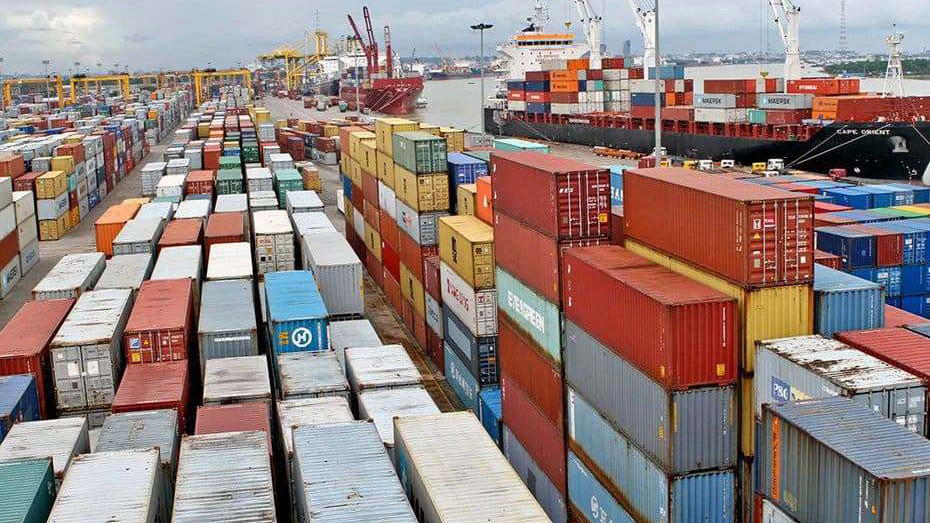
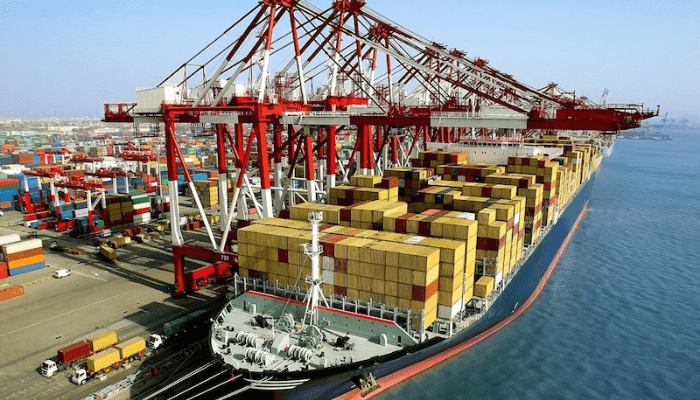
According to the 2025 report, Tin Can Island Port and Lagos Port Complex (Apapa) rank among the world’s 20 most improved container ports over the last five years. Tin Can placed 10th globally, while Apapa ranked 12th, outperforming several established ports across Europe, Asia, and the Americas on the improvement table.
This is more than a positive ranking. It is evidence of a measurable shift in how Nigeria’s busiest ports operate.
The CPPI is one of the most credible assessments of port performance globally because it relies on actual vessel call data. It measures how efficiently ports move ships through the system. Ports characterised by congestion, delays, and operational bottlenecks perform poorly. Ports that move cargo predictably and efficiently perform better.
In 2020, both Apapa and Tin Can ranked among the lower-performing ports in the index, with scores of -61 and -68, respectively. By 2025, both ports had improved to -26. That progress reflects a fundamental shift in how the Lagos port corridors operate.