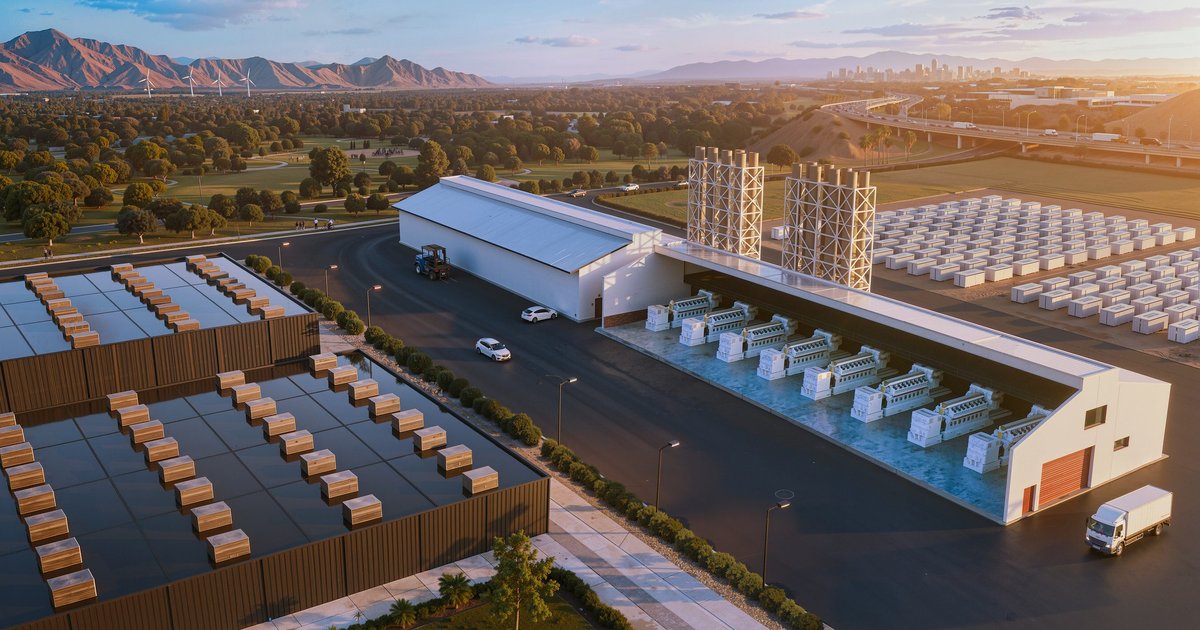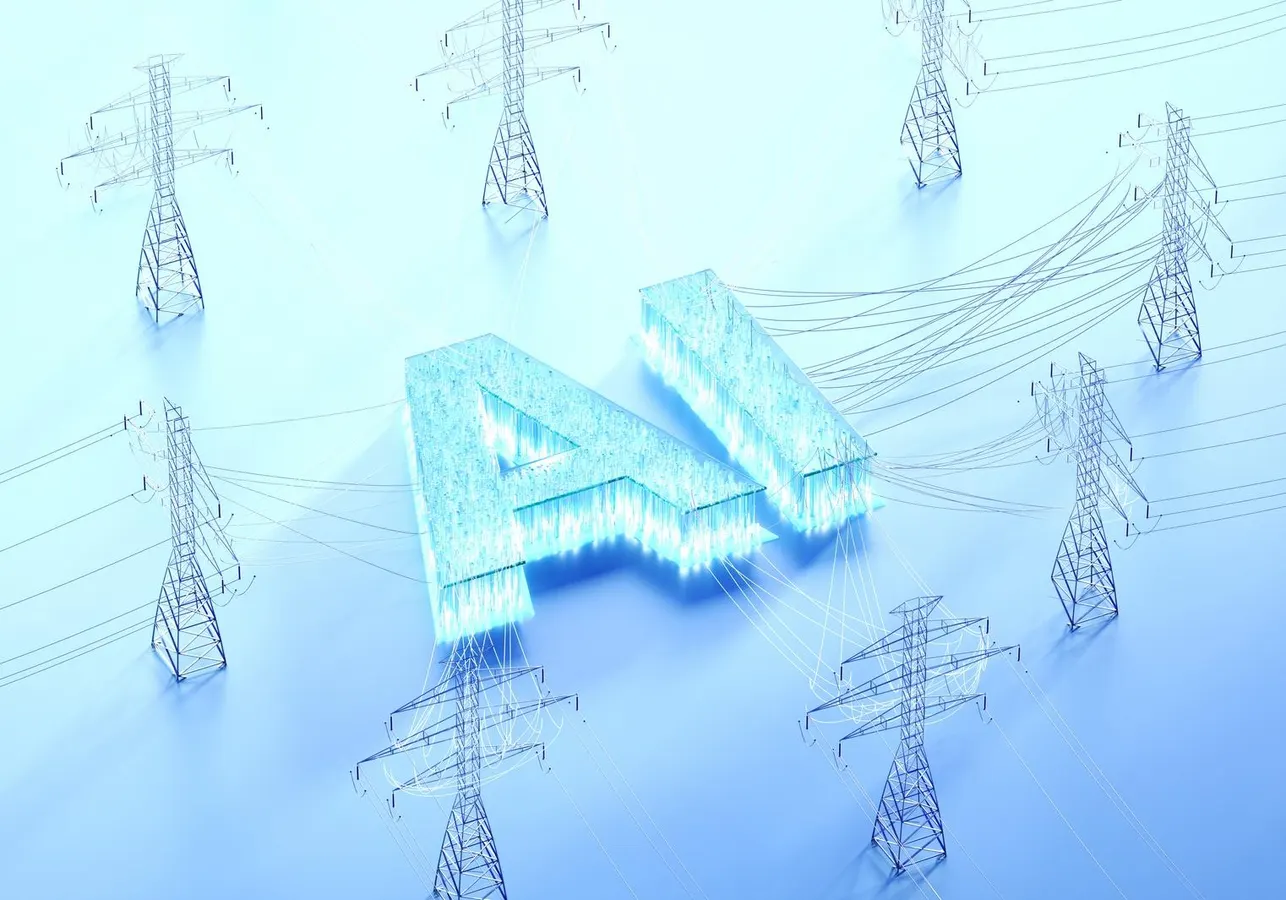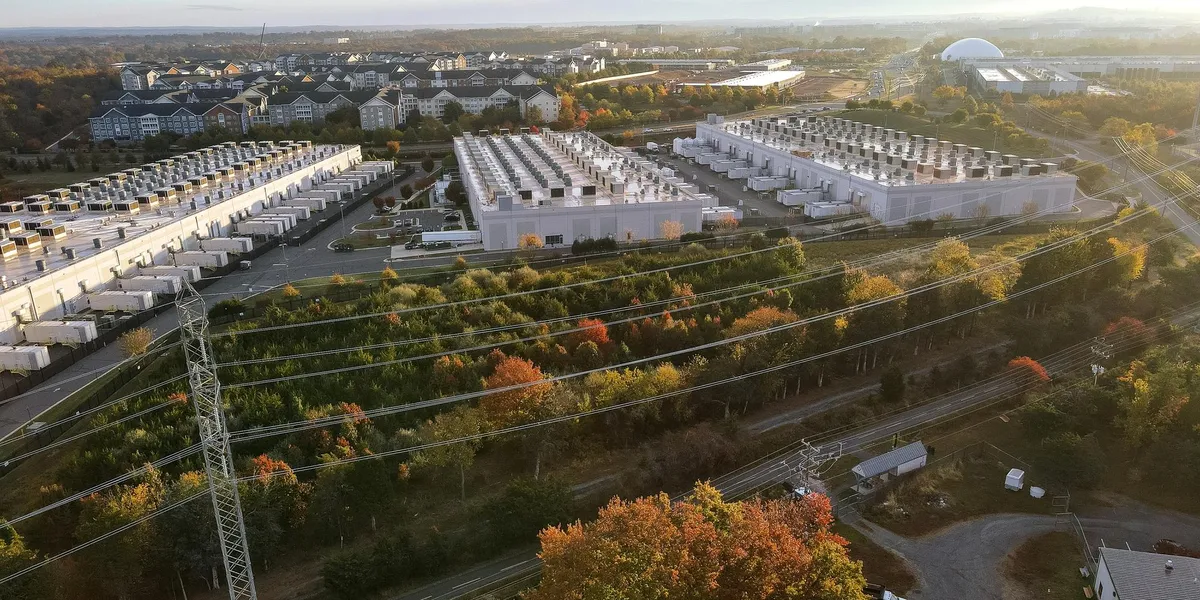
Artificial intelligence is transforming what it means to live and operate in an increasingly digital world. Yet as AI workloads expand and data centers multiply, they are also driving unprecedented demand for power, placing new pressures on energy systems and power grids around the globe.
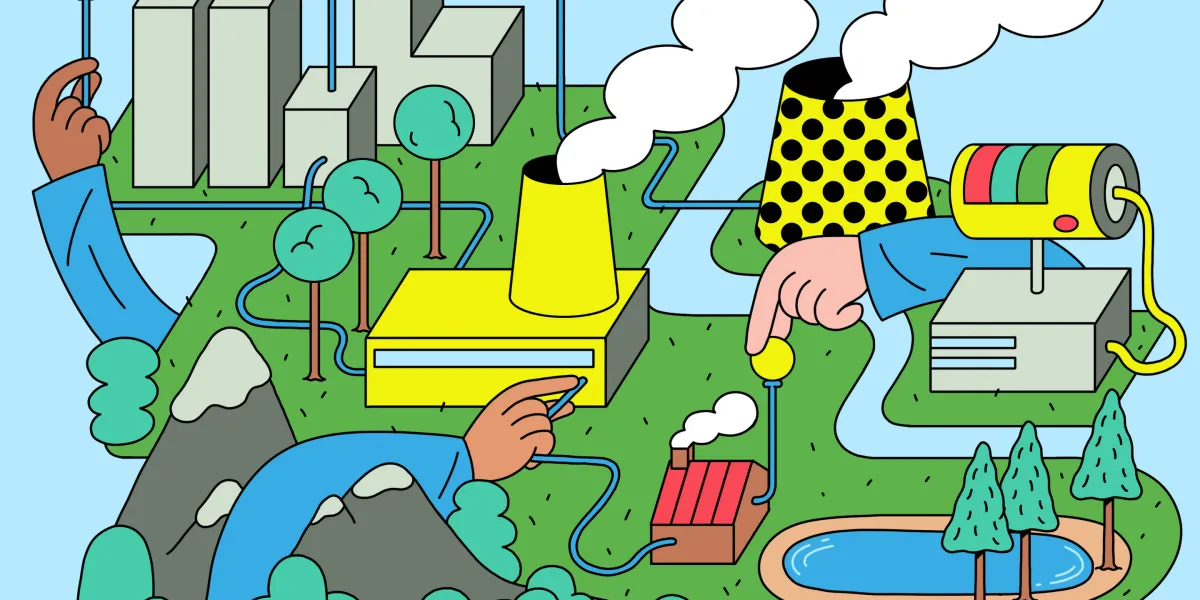
The challenge is not simply generating more electricity. It is delivering power in a way that balances reliability, resilience, and innovation – three fundamentally distinct qualities.
The complexity is reflected in the nature of AI itself. While AI strains power grids and creates resiliency risks, it is also becoming one of the most powerful tools available in improving energy forecasting, optimizing operations, and strengthening grid management.
It is within this context that industry leaders are rethinking how energy systems are designed and delivered.
For Rehlko, this presents an opportunity to challenge the notion that infrastructure growth must come at the expense of sustainability. Ryan DeLoge, sustainability manager at Rehlko, argues that with the right planning, technologies, and long-term thinking, organizations can achieve both – without sacrificing performance: