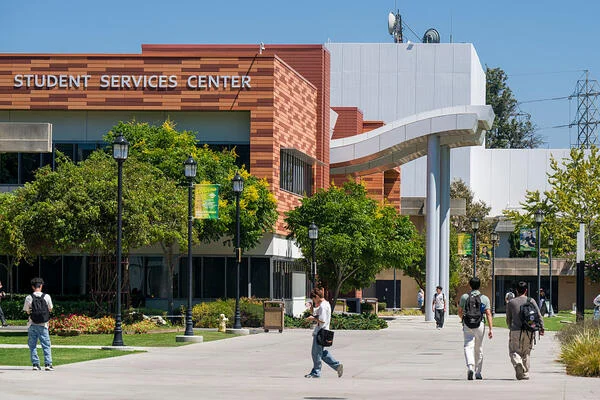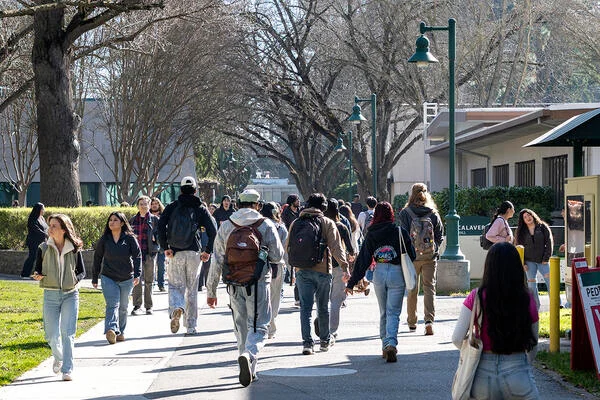
Sacramento State University is one of California’s first Black-serving institutions.
Ruben Aguilar/Sacramento State
Two years ago, the California Legislature passed a law creating a new designation, Black-serving institutions, to recognize colleges and universities working toward Black students’ success. To qualify, institutions have to enroll at least 10 percent Black students—or a minimum of 1,500 students—and take specific steps to support them, including submitting data on their enrollment, retention and graduation rates and drafting plans to improve their academic outcomes and close equity gaps. The designation doesn’t currently come with any funding, but institutions regard it as a badge of honor. They can renew their status every five years by submitting progress updates; the first batch of 31 BSIs will be up for renewal in 2030.
Now new data shows how they’re doing so far, as well as how they can better serve Black students—and why state funding would help, college leaders say. Researchers at the University of Southern California recently published a data dashboard to track student outcomes, which reveals a mixed bag: some heartening numbers, as well as some shortcomings.
The new dashboard uses federal data from the Integrated Postsecondary Education Data System, or IPEDS, to offer a first glimpse into how these institutions are serving Black students.