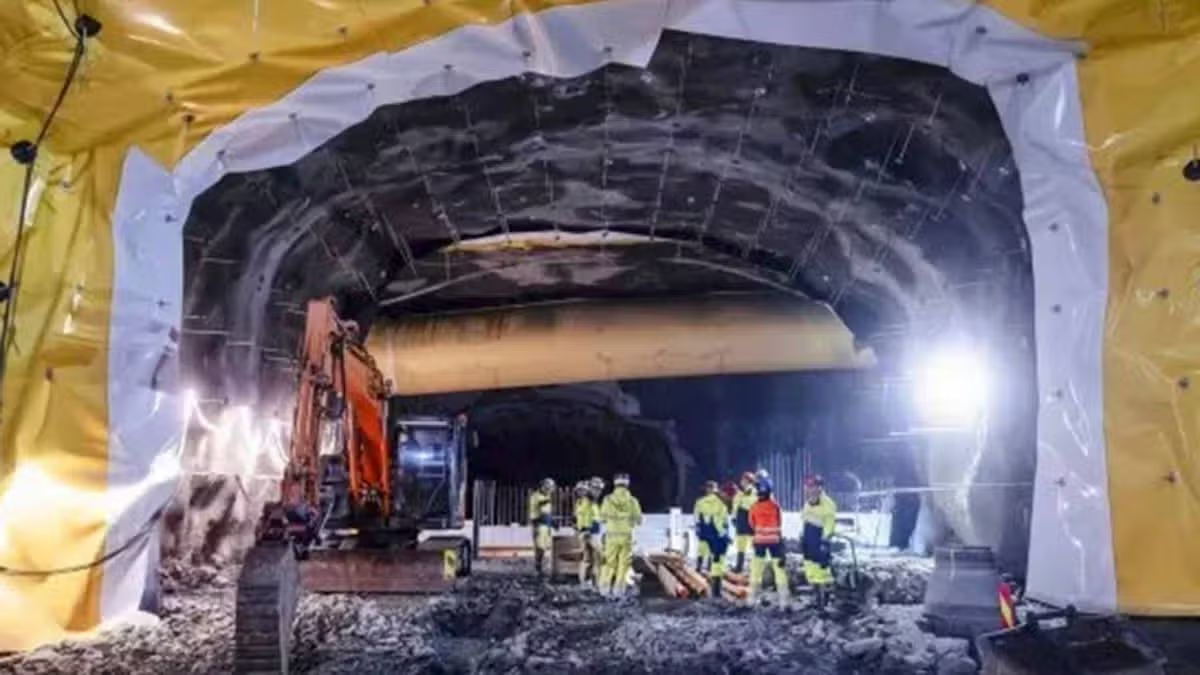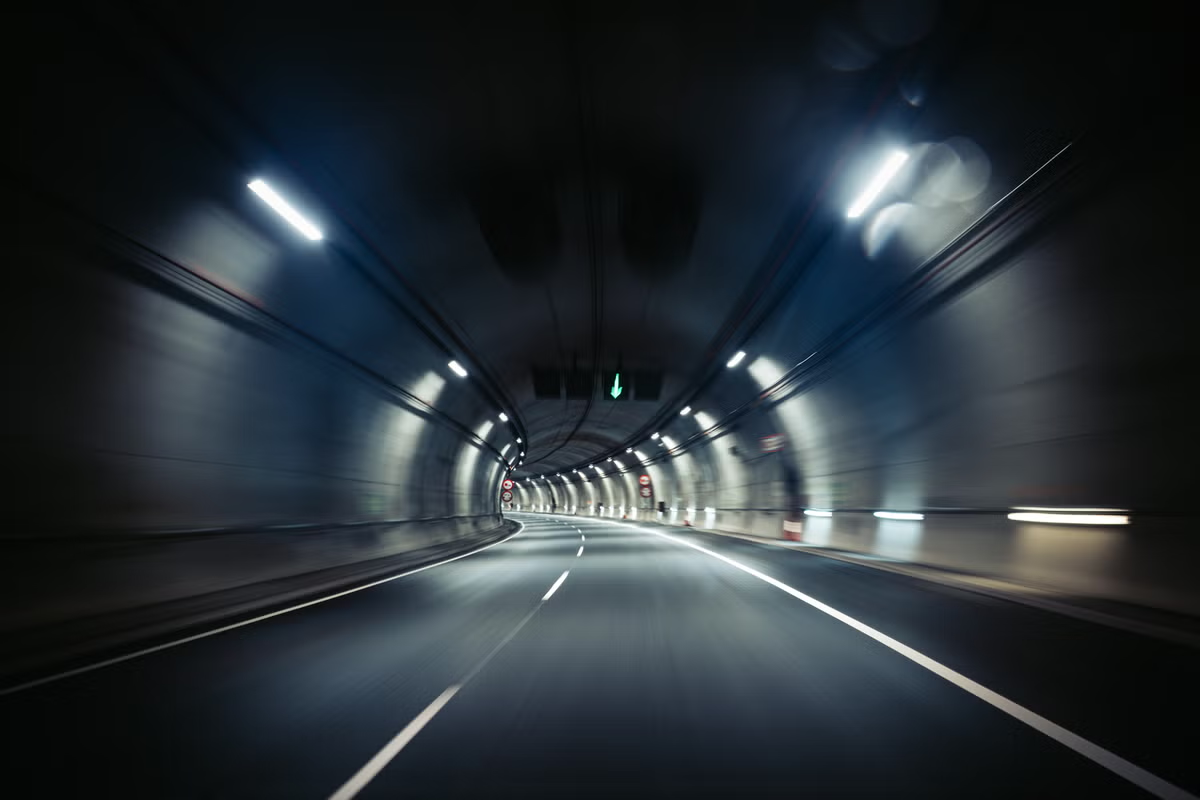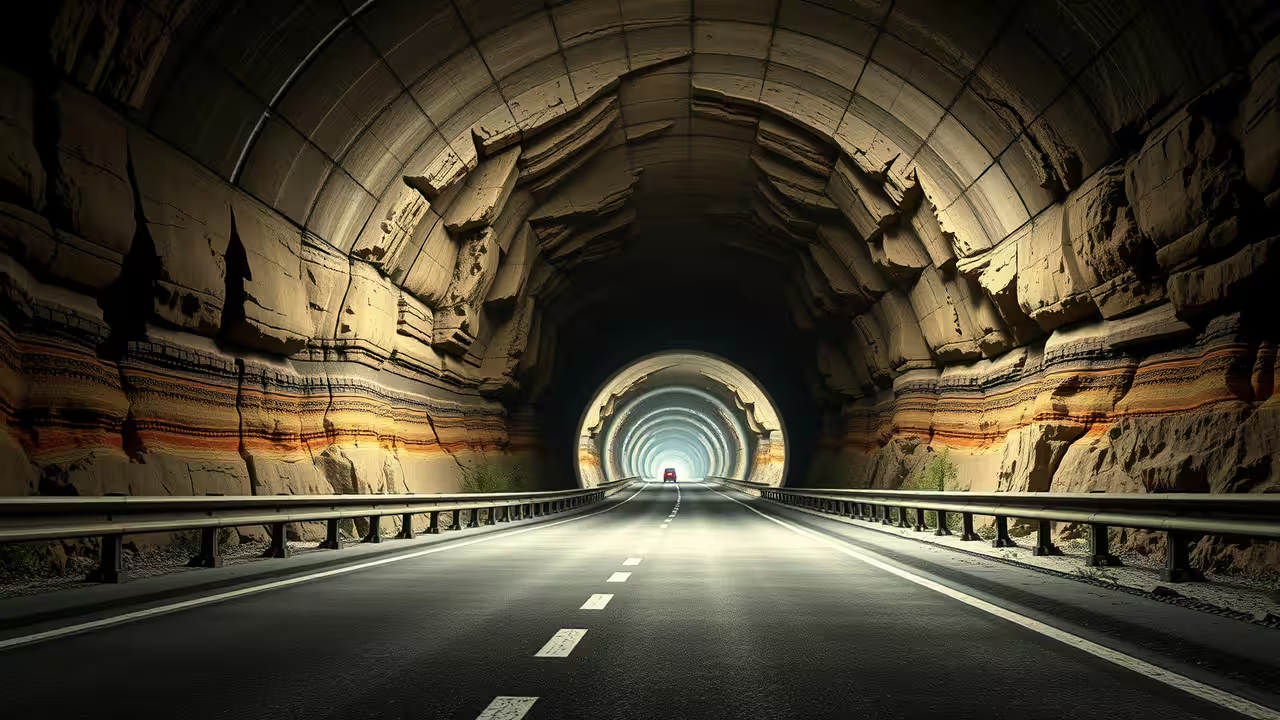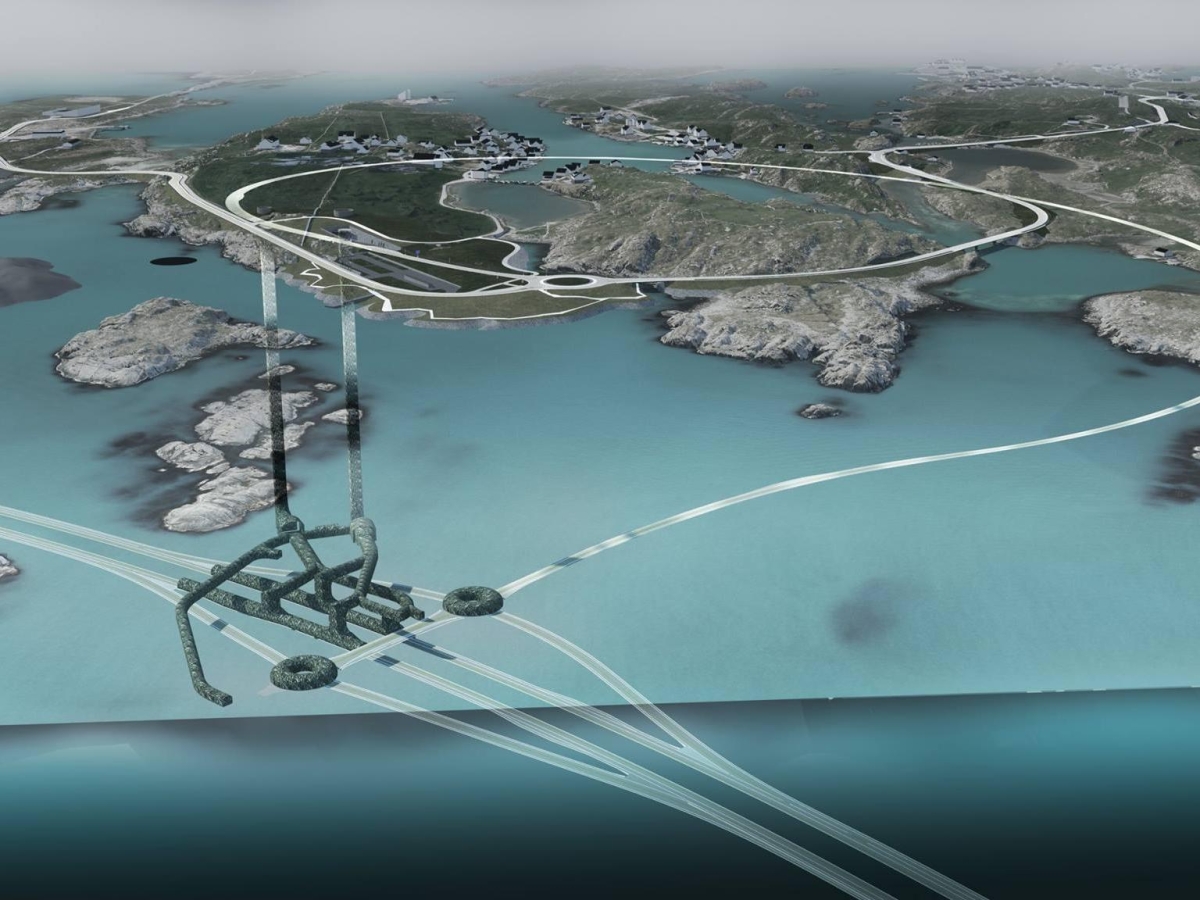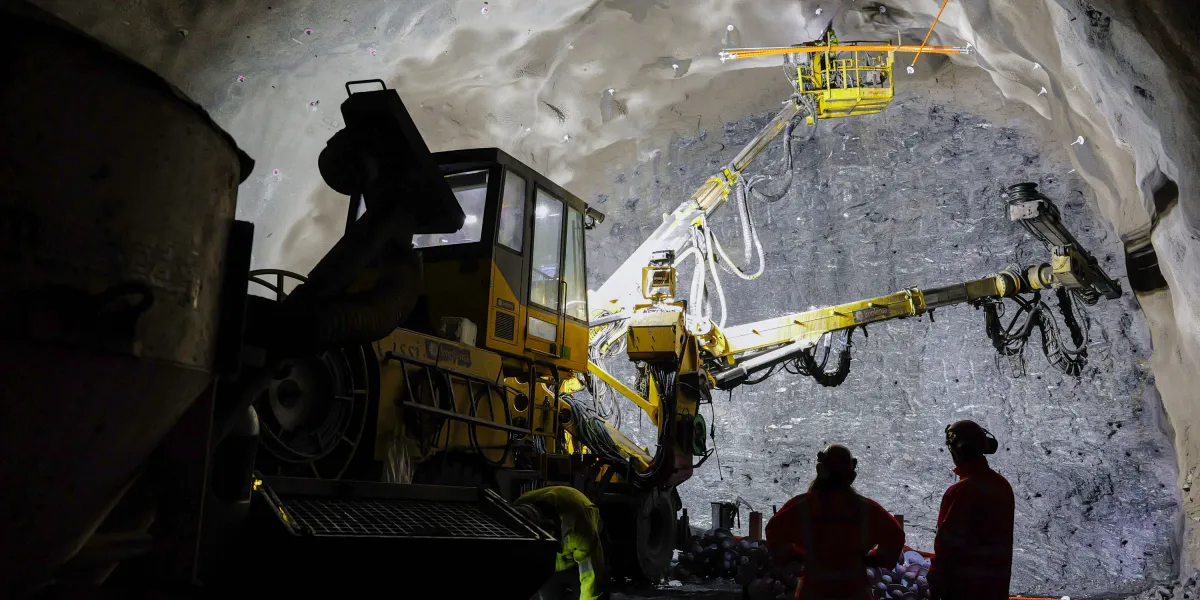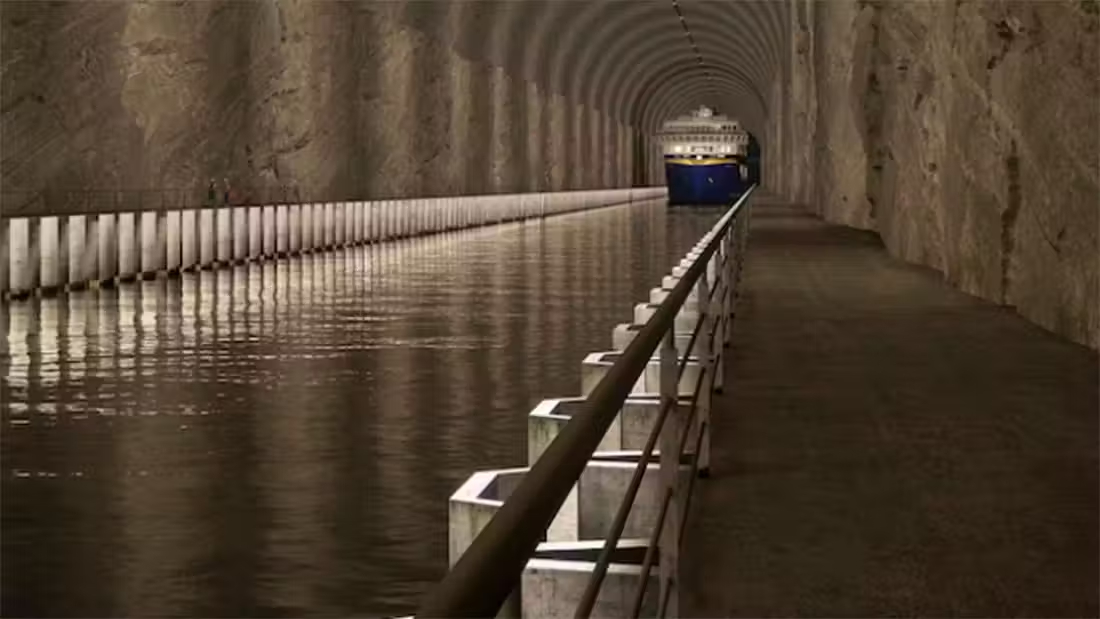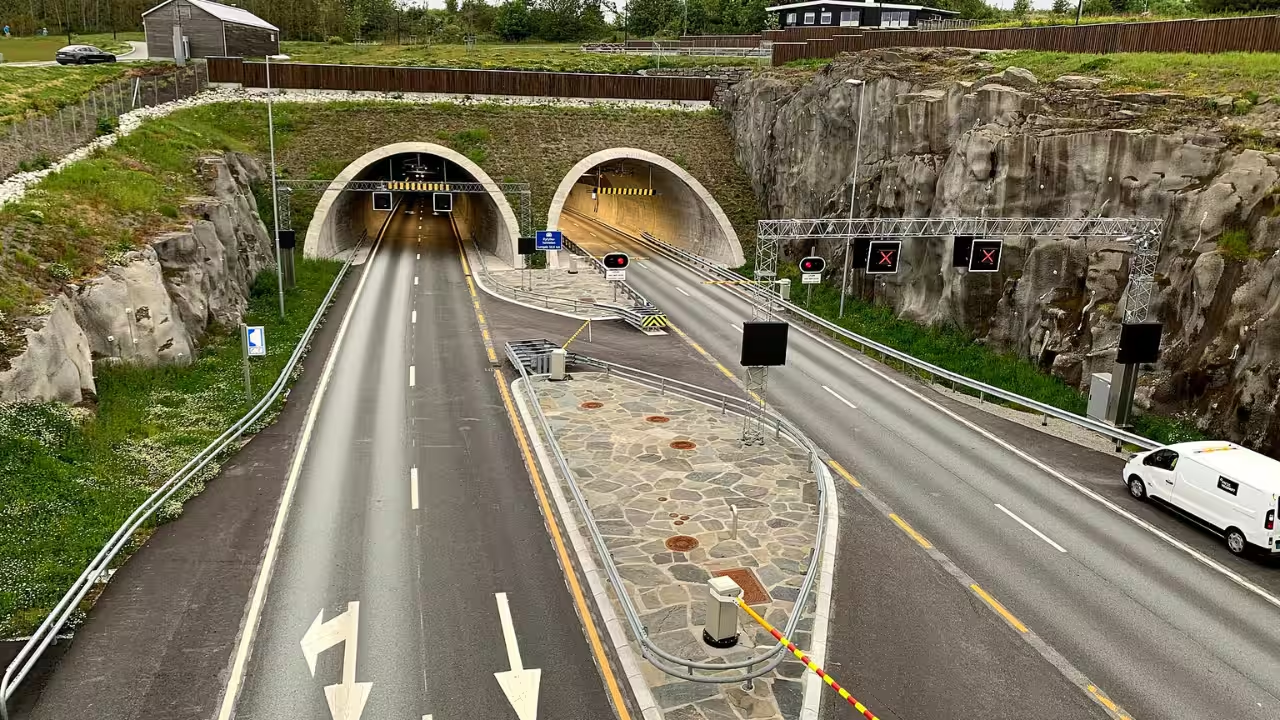
Ryfylke Tunnel | Wikimedia CommonsDrivers travelling between Norway’s Stavanger region and the Ryfylke district no longer have to wait for ferries or hope rough weather doesn’t cancel sailings. Instead, they descend almost 292 metres (958 feet) beneath the North Sea, pass through a 14.4-kilometre tunnel carved beneath a fjord, and emerge on the opposite shore roughly eight minutes later. Opened to traffic on 30 December 2019, the Ryfylke Tunnel became the world’s longest and deepest undersea road tunnel, an engineering milestone that transformed a journey once dictated by ferry timetables into a continuous road connection. According to the Norwegian Public Roads Administration (Statens vegvesen), the tunnel forms the centrepiece of the Ryfast project, linking Ryfylke directly with Stavanger and eliminating two national ferry crossings that had long interrupted travel through western Norway.Ryfylke Tunnel | Wikimedia CommonsEngineers drilled through solid rock beneath one of Norway’s deepest fjordsBuilding a road beneath a fjord required engineers to avoid tunnelling through the seabed itself. Instead, the route was excavated through stable bedrock lying below the water, allowing vehicles to travel safely beneath the Horgefjord, part of the larger Boknafjord system. Construction began in 2013 after decades of planning, with crews excavating from multiple directions before joining the tunnel deep underground. According to the Norwegian Public Roads Administration, the completed tunnel contains two separate tubes, each carrying traffic in one direction with two lanes, along with modern ventilation, emergency exits, surveillance systems and fire safety equipment designed for one of Europe’s most demanding road tunnels. The highway reaches its lowest point at 292 metres below sea level before climbing back to the surface through long, carefully engineered gradients that heavy vehicles can navigate safely. The tunnel changed everyday life for thousands of commutersBefore Ryfast opened, residents travelling between Ryfylke and Stavanger depended on ferries that added waiting times and were vulnerable to strong winds and rough seas. Freight transport faced similar delays, affecting businesses throughout the region. Ryfast created Norway’s largest road and tunnel project at the time, providing a permanent, weather-independent connection that dramatically shortened travel times while integrating Ryfylke more closely with Stavanger’s labour market, schools and healthcare services. The wider Ryfast system includes the Ryfylke Tunnel, Hundvåg Tunnel and Eiganes Tunnel, together creating more than 52 kilometres of tunnels and about 5 kilometres of surface road. The project cost approximately 11.1 billion Norwegian kroner and was completed within its planned construction period. View of the road in Kvassdalen | Wikimedia CommonsMore than a shortcut, it became a symbol of Norway’s tunnel-building expertiseNorway already possesses one of the world’s most extensive tunnel networks, shaped by a landscape of mountains, islands and deep fjords where bridges are often impractical. The Ryfylke Tunnel pushed that expertise further by combining exceptional depth with modern safety systems capable of monitoring traffic around the clock. Although the tunnel currently holds the record as the world’s deepest undersea road tunnel, that title is expected to pass to Rogfast, another Norwegian megaproject under construction that will descend even farther beneath the sea when it opens. According to the Norwegian Public Roads Administration, Ryfast has already reshaped travel patterns across the region, providing the first fixed road connection between Ryfylke and Stavanger and demonstrating how infrastructure can overcome geography that once dictated how communities lived and travelled. For motorists today, what was once a ferry crossing across open water has become an eight-minute drive through solid rock nearly 300 metres below the fjord.
Norway sent a highway 292 metres beneath the sea: The world’s deepest undersea road tunnel replaced ferry crossings with an eight-minute drive
Drivers travelling between Norway’s Stavanger region and the Ryfylke district no longer have to wait for ferries or hope rough weather doesn’t cancel sailings. Instead, they descend almost 292 metres (958 feet) beneath the North Sea, pass through a 14.4-kilometre tunnel carved beneath a fjord, and emerge on the opposite shore roughly eight minutes later.
572 words~3 min read