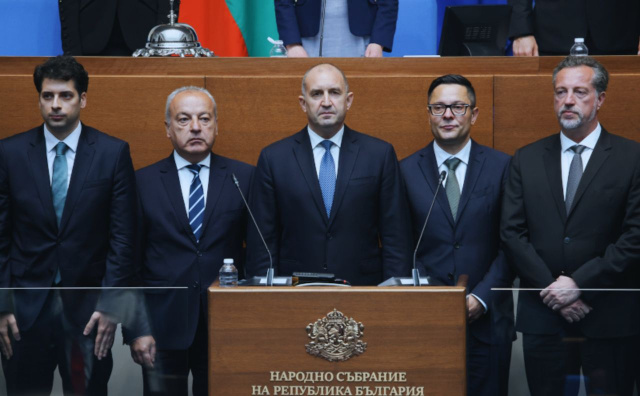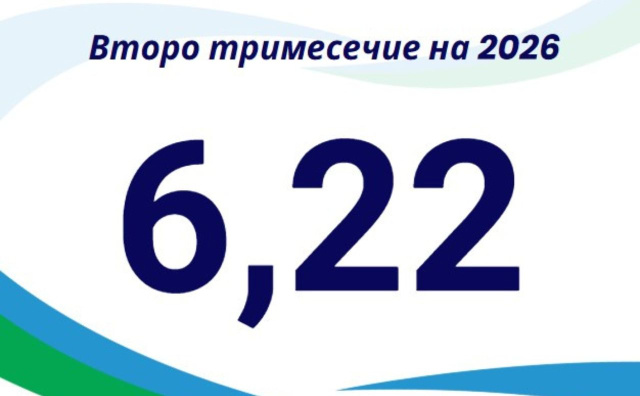
Political developments and the completion of the election process have contributed to a reduction in social tensions in Bulgaria during the second quarter of 2026 compared with the previous two quarters. The Social Tension Index, calculated jointly by the Center for Analyses and Crisis Communications and the Myara Agency, fell to 6.22, according to the organizations’ latest quarterly report. Before the elections, the indicator stood at 6.88.
The Social Tension Index is measured on a scale from 0 to 10. Levels between 0 and 3.99 indicate low tension and risks that are fully under control, while values from 4 to 5.99 represent moderate tension with manageable risks. A result between 6 and 7.99 is classified as high, meaning risks are more difficult to control, while levels from 8 to 10 indicate a situation approaching a critical point.
Although the latest figures show a decrease in public tension, the index remains within the high-risk category. Researchers noted that expectations toward the newly formed government are significant, while concerns over inflation, corruption, rising prices, and road accidents continue to weigh heavily on public sentiment. “The coming months will show whether this decline will turn into a lasting trend,” said Alexander Hristov, chairman of the Center for Analyses and Crisis Communications, and Parvan Simeonov, head of Myara.