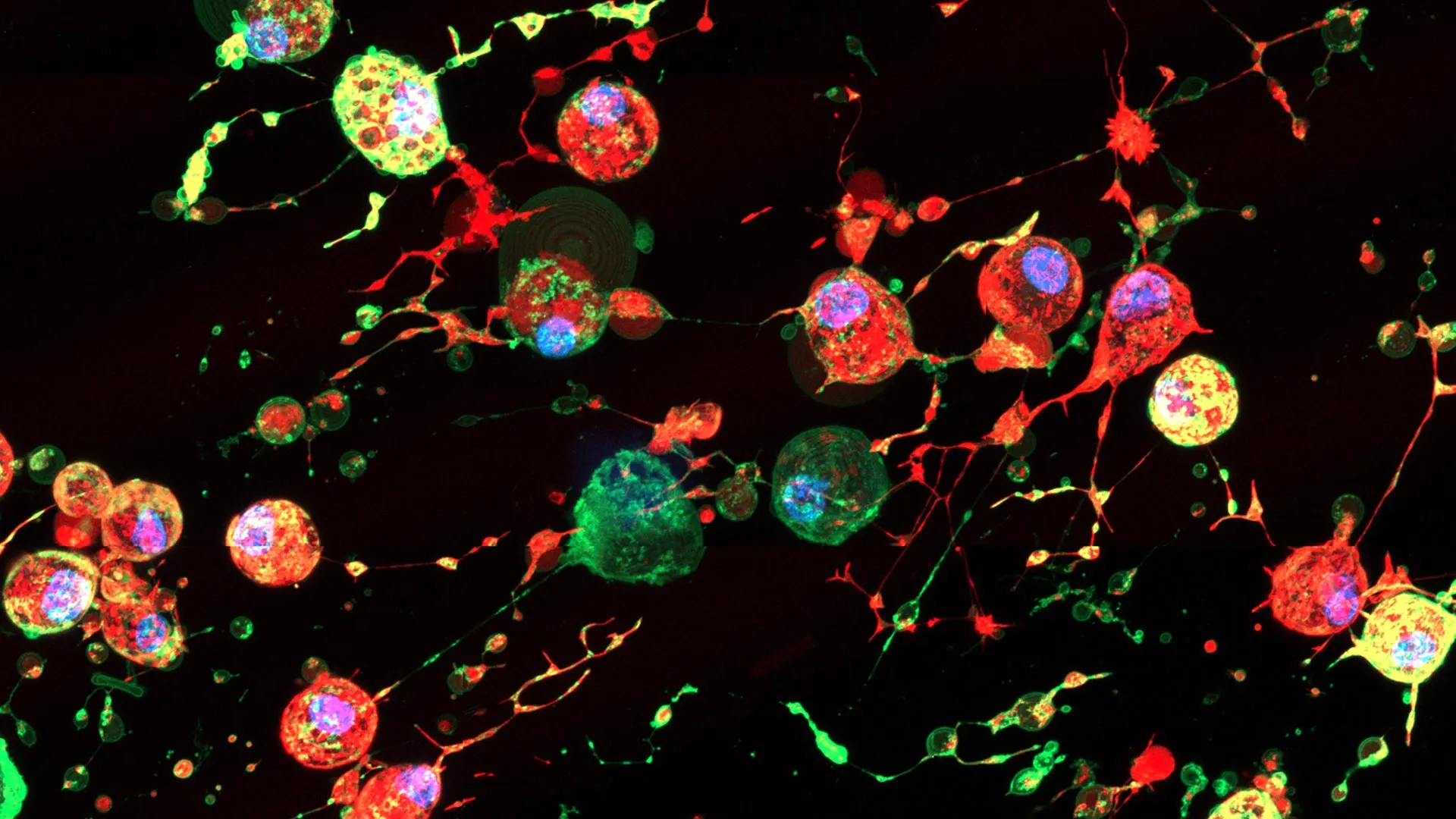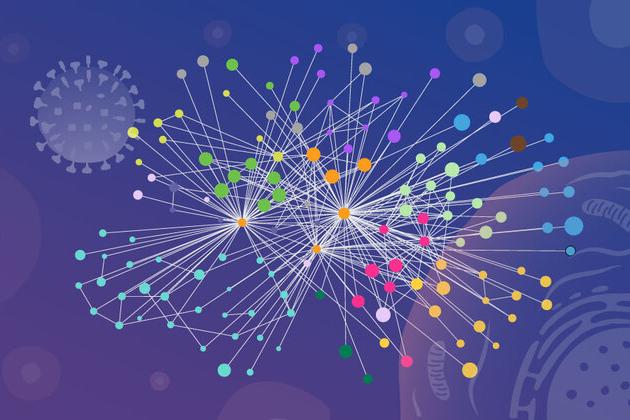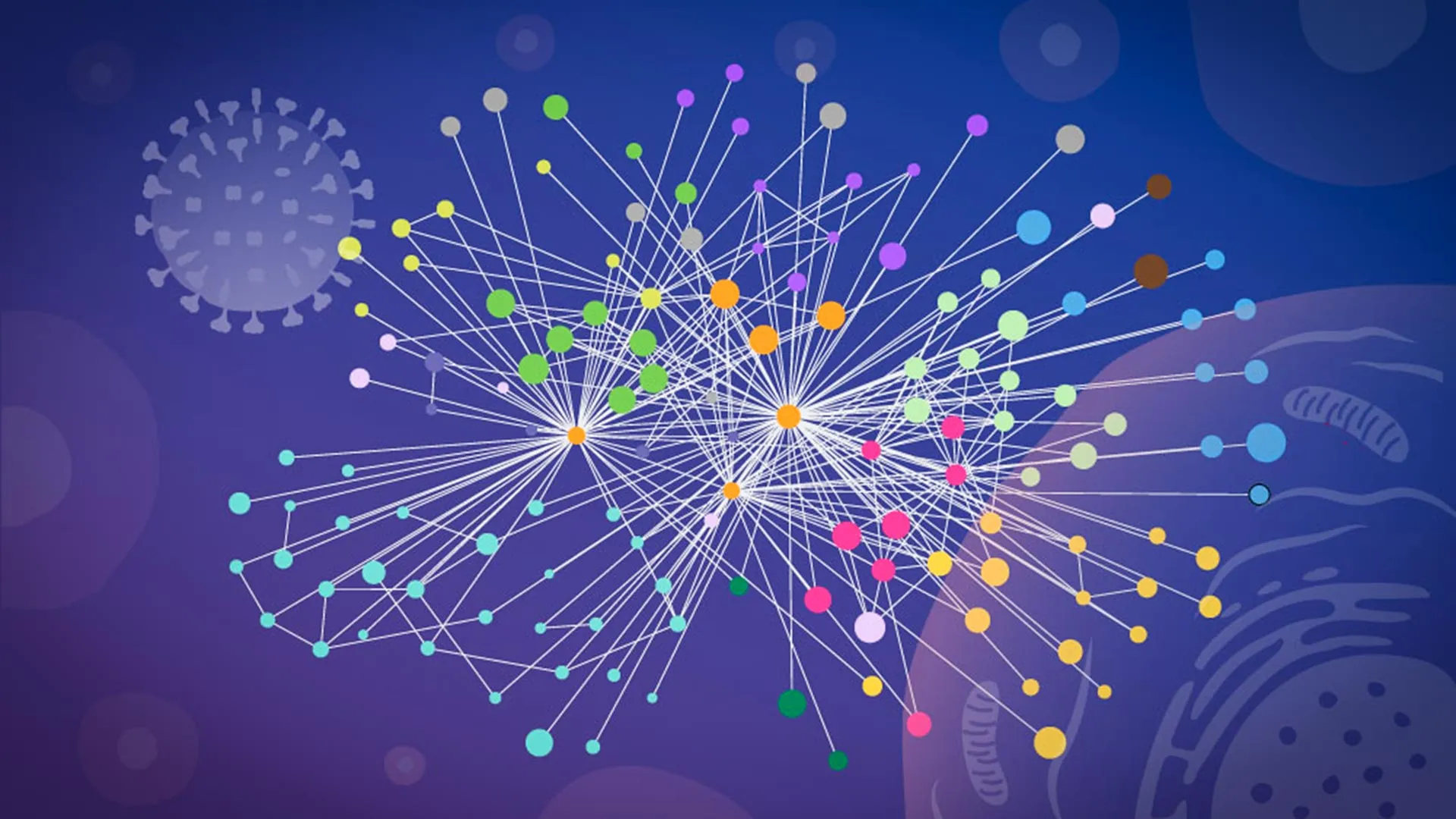
Researchers at EMBL Hamburg, working with scientists at the Leibniz Research Institute for Molecular Pharmacology (FMP), have produced an unusually detailed map of how influenza A reshapes infected human cells. Their customized workflow allowed them to observe protein interactions directly inside intact cells rather than relying only on samples that had been broken apart.
Seasonal influenza causes 3-5 million cases of severe illness worldwide each year and is linked to as many as 650,000 deaths. Influenza A has also driven multiple pandemics, including the 1918 Spanish Flu pandemic.
After entering a cell, the virus releases RNA containing the instructions for making a small set of viral proteins. Those proteins spread through the host cell and redirect its molecular systems, turning the cell into a production site for new virus particles.
Mapping the Flu Virus Inside Intact Cells
A clearer view of this takeover could help scientists develop more effective flu vaccines and antiviral drugs. To reach that goal, researchers need to know which viral proteins interact with human proteins, where those contacts occur, and how the virus uses them to support its own replication.