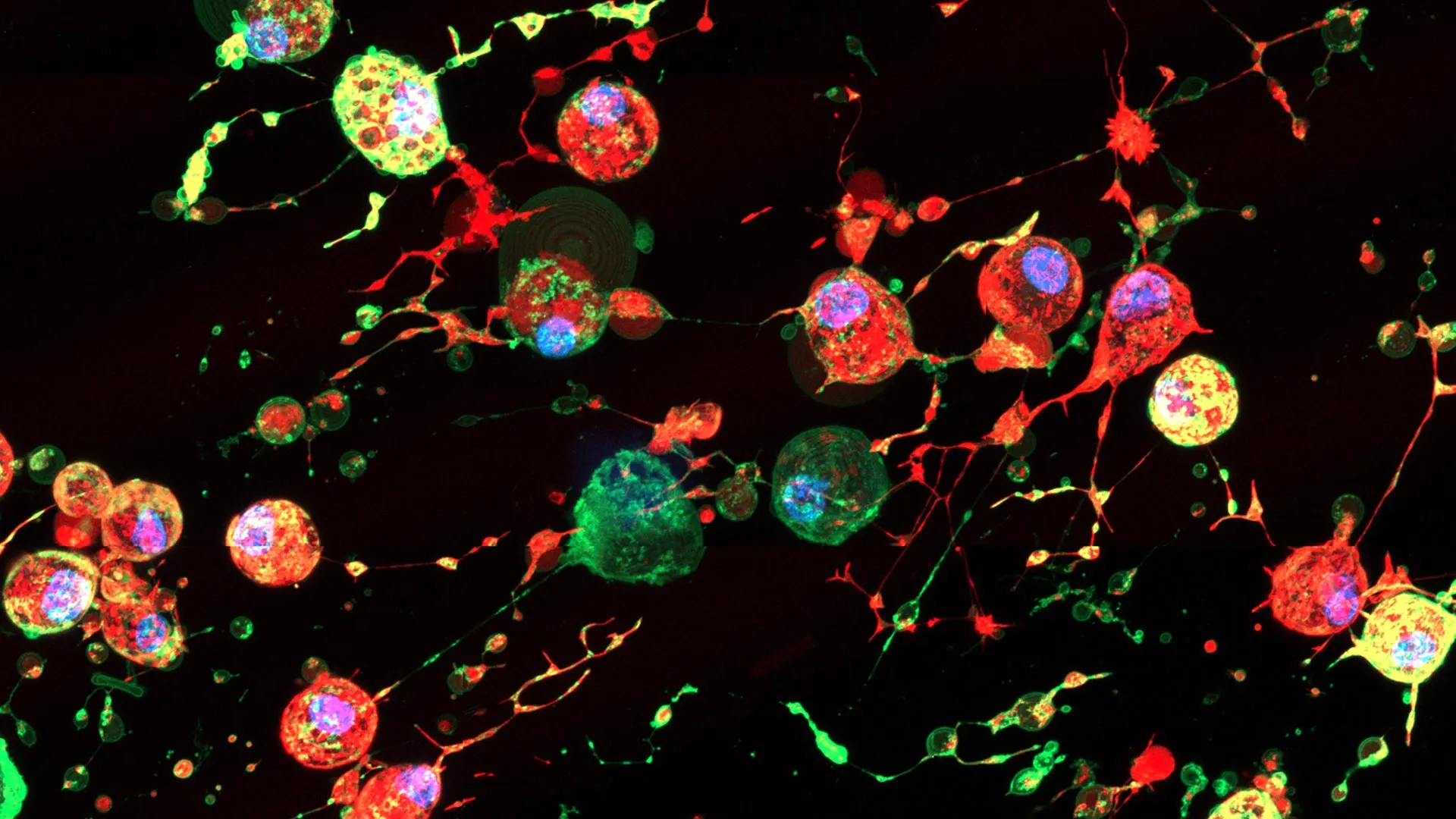
Researchers at La Trobe University have identified a previously unknown biological process that may help explain how viruses move through the body. The discovery could also open new opportunities for developing treatments that better support the immune system.
Published in Nature Communications, the study sheds new light on what happens when cells die and are removed from the body.
The research was led by PhD candidate Stephanie Rutter in the laboratory of Professor Ivan Poon at the La Trobe Institute for Molecular Science (LIMS). The team found that the steps involved in cell death are far more organized and important than scientists previously realized.
Newly Discovered Cell Death Vesicles
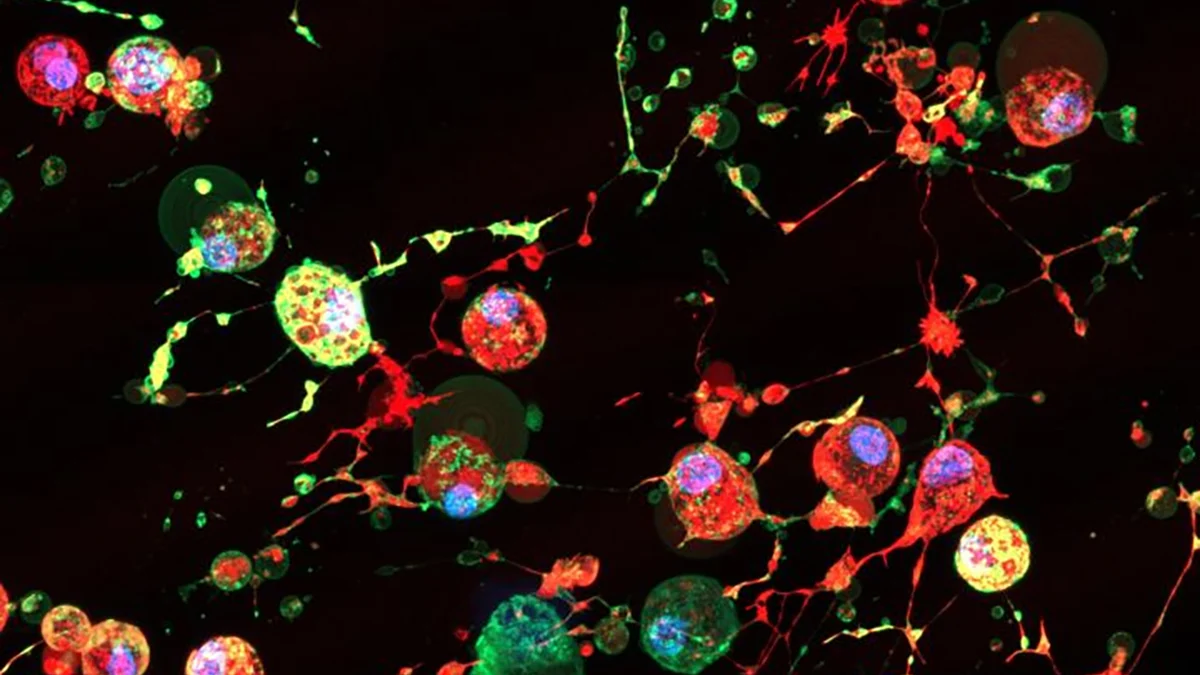
As cells reach the end of their life cycle and begin to self-destruct, they undergo a series of physical changes. The researchers observed that dying cells alter their shape, detach from nearby structures, and leave behind a residue they call "the footprint of death."