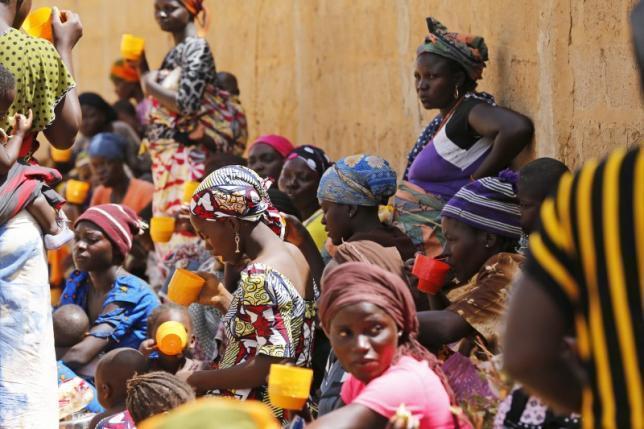
Nigeria has long projected itself as Africa’s big brother, a nation willing to shoulder regional responsibilities, provide humanitarian assistance and offer refuge to people fleeing conflict in neighbouring nations. That tradition has earned it diplomatic goodwill over the decades. However, humanitarian leadership begins with responsibility to one’s own citizens. A government that cannot adequately protect and care for millions of its internally displaced people (IDPs) must first address that obligation before expanding its humanitarian commitments elsewhere.
The recent massacre of scores of resettled residents in Darul Jamal, Borno State, is a painful reminder that our nation’s internal displacement crisis is far from over. Many of the victims had survived years in overcrowded camps only to lose their lives after returning to communities that remained vulnerable to terrorist attacks. Their deaths raise difficult questions about the timing of resettlement programmes and the capacity of security agencies to safeguard returning populations.
Governor Babagana Zulum has repeatedly acknowledged that the military is overstretched in parts of the North-East. If security cannot yet be guaranteed in some resettled communities, then returning displaced families prematurely exposes them to renewed danger. Resettlement should follow sustainable peace, not precede it.